
Prevalence and factors associated with adult diabetes mellitus in the African Great Lakes Region: a systematic review and meta-analysis
David Dyikpanu Tibasima, Yves Wasnyo, Guy Sadeu Wafeu, Brice Mbock Ekwalla, Philomème Missi Mbassi, Joëlle Laure Sobngwi Tambekou, Eugène Sobngwi
Corresponding author: Eugène Sobngwi, Research, Health and Development (RSD Institute), Yaoundé, Cameroon 
Received: 26 Dec 2025 - Accepted: 04 Aug 2026 - Published: 18 Aug 2026
Domain: Diabetes epidemiology,Epidemiology,Epidemiology
Keywords: Diabetes mellitus, prevalence, risk factors, Great Lakes Region
Funding: This work received no specific grant from any funding agency in the public, commercial, or non-profit sectors.
©David Dyikpanu Tibasima et al. Pan African Medical Journal (ISSN: 1937-8688). This is an Open Access article distributed under the terms of the Creative Commons Attribution International 4.0 License (https://creativecommons.org/licenses/by/4.0/), which permits unrestricted use, distribution, and reproduction in any medium, provided the original work is properly cited.
Cite this article: David Dyikpanu Tibasima et al. Prevalence and factors associated with adult diabetes mellitus in the African Great Lakes Region: a systematic review and meta-analysis. Pan African Medical Journal. 2026;54:127. [doi: 10.11604/pamj.2026.54.127.50781]
Available online at: https://www.panafrican-med-journal.com//content/article/54/127/full
 PDF in process
 Review 

Prevalence and factors associated with adult diabetes mellitus in the African Great Lakes Region: a systematic review and meta-analysis
Prevalence and factors associated with adult diabetes mellitus in the African Great Lakes Region: a systematic review and meta-analysis
David Dyikpanu Tibasima1,2,  Yves Wasnyo3, Guy Sadeu Wafeu4, Brice Mbock Ekwalla5, Philomème Missi Mbassi6, Joëlle Laure Sobngwi Tambekou7, Eugène Sobngwi7,8,9,&
&Corresponding author
Diabetes mellitus, with a global prevalence of 10.5% and a mortality increase of 77.6% in ten years, represents a global health emergency that requires in-depth analysis to guide public health policies, particularly in the African Great Lakes Region, which is characterised by armed conflicts and a particular socioeconomic profile. A systematic review of articles published until December 2023 was conducted using PubMed/MEDLINE, Google Scholar, Embase, and ScienceDirect. The included studies were assessed for quality using the JBI checklist and analyzed using a random-effects model due to data heterogeneity. Heterogeneity was explored through subgroup analyses with formal difference testing (Q statistic), meta-regression, and sensitivity analyses. Of the 59 studies selected, 57 contributed to the prevalence analysis (101,412 participants; I2=99.2%), revealing an overall diabetes prevalence of 8.1% (95% CI: 6.3-10.1%). Prevalence was 4.5% (95% CI: 3.0-6.3%; 19 studies) in men and 5.9% (95% CI: 3.6-8.6%; 18 studies) in women, with no statistically significant difference (p=0.373). Factors significantly associated with diabetes included age >40 years (OR=3.89; 95% CI: 2.55-5.93), overweight/obesity (OR=2.90; 95% CI: 1.70-4.93), and hypertension (OR=4.32; 95% CI: 2.45-7.62). The prevalence of diabetes in the African Great Lakes Region varies according to local context and is associated with older age, overweight/obesity, and hypertension. These findings, limited by substantial heterogeneity between studies, call for prevention strategies targeting high-risk groups, tailored to the specific characteristics of each country.

Diabetes mellitus is one of the most concerning non-communicable diseases worldwide, with increasing prevalence and mortality over the last two decades [1]. According to the International Diabetes Federation (IDF), approximately 10.5% of the world's adult population (aged 20-79 years) is affected by this disease, and the prevalence is expected to reach 11.3% by 2030 and 12.2% by 2045 [2]. In 2021, 6.7 million deaths of adults aged 20 to 79 were attributed to diabetes and its complications [2], compared to 1.5 million in 2012 [3], an increase of approximately 77.6% in a decade. Once considered a disease of developed countries, diabetes is now ubiquitous and affects people regardless of their economic status [3,4]. The prevalence of diabetes mellitus in Africa is estimated to be 5.3% [2]. Although this figure seems low compared to other parts of the world, it could increase by 134% by 2045 [2]. The prevalence of diabetes in Africa varies by country and region [2]. Indeed, the results of systematic reviews show that it varies from 2.6% to 20.0 in North Africa and from 1% to 12% in sub-Saharan Africa [5,6].
The African Great Lakes Region is located near the equator in East Africa and includes seven lakes and the surrounding countries, namely, the DRC, Rwanda, Burundi, Kenya, Uganda, and Tanzania [7,8]. In addition to the great social, economic, and ethnic differences that exist between the populations of this region, recurrent armed conflicts, refugee movements, and lifestyle changes due to rapid urbanization and modernization significantly influence the health profiles of its inhabitants [9-11].
Every year, the International Diabetes Federation publishes estimates of the prevalence of diabetes mellitus in different countries and regions worldwide. For countries without internal data, this prevalence is extrapolated from data from a similar country, leading to potential sources of error due to the differences that exist between countries in the same region [2,4]. In addition, the estimates of the latest edition of the IDF report only consider 10 countries in sub-Saharan Africa, including three in the African Great Lakes Region. Although many studies have been conducted in these countries, data compiled at the regional level are not available. Considering the geographical proximity between these countries and the policy and decision-making framework (including health decisions) that exists between them, an estimate of the prevalence of diabetes in this region is crucial for informing decisions. In addition, the estimation of the factors associated with diabetes in this region will make it possible to improve strategies to combat this condition. Therefore, we conducted this systematic review and meta-analysis to determine the prevalence and factors associated with diabetes in the African Great Lakes Region.

Protocol and registration: in accordance with PRISMA-P's recommendations for the presentation of systematic review and meta-analysis protocols, the protocol of this systematic review was registered in the PROSPERO database (registration number: CRD42024496404).
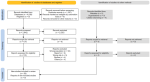
Search strategy: we searched the PubMed/MEDLINE, Google Scholar, Embase, and ScienceDirect databases, covering all publications up to December 2023, with no restrictions on the publication date. The research methodology included the use of keywords and their synonyms, selected according to the Condition, Context, and Population (CoCoPop) framework [12], to ensure comprehensive coverage of relevant topics. This selection of terms was specifically adapted to the language and particularities of each database consulted, thus optimising the efficiency of the search. The keywords were combined using the Boolean operators "AND" and "OR", structuring the search to capture both the specificity and breadth of the relevant studies. In addition to the electronic search, we carefully reviewed the reference lists of the selected articles to identify other relevant publications that may have escaped our initial search strategy. The results of the search are summarised in the PRISMA flowchart presented in Figure 1, which illustrates the different steps of the selection process and the number of articles ultimately selected for analysis.
Study eligibility criteria: this review included full articles of observational studies published in scientific journals until December 2023, in either English or French. These studies had to be conducted in one or more of the countries of the African Great Lakes region (DRC, Rwanda, Burundi, Kenya, Uganda, and Tanzania), on an adult population aged ≥18 years (or contain sufficient information to extract data from this population), and report data on diabetes mellitus. We excluded non-observational studies (such as clinical trials or diagnostic test evaluations, abstracts, and article reviews [13-16].
Selection of articles: the selection of articles included in this review was performed in several stages. After the literature search, all the items found were imported into Rayyan software [17], or duplicates were identified and excluded from the review. Two team members selected the articles based on the titles and abstracts, according to the eligibility criteria described above. The discrepancies between these two authors were dealt with by a third author, independently of the results of the first two. Full articles from the selected studies were uploaded for review. For articles that were not available online, we contacted the authors via email to obtain a copy of the article. For this stage, full articles were reviewed by two independent authors for inclusion, and conflicts were addressed by a third independent author. For the meta-analysis of associated factors, only articles with data on factors associated with diabetes were included.
Data extraction: data were extracted from the articles included in the selection stage. This included information such as the name of the first author, year of publication, country where the study was conducted, definition of diabetes considered in the study, study population, prevalence of pre-diabetes and diabetes, and factors associated with diabetes. This sheet was implemented in a Google Form that was used to enter the extracted data. This data extraction was performed by a single author, and a discussion with the other members of the team was held in case of doubt about the data to be extracted for one of the articles.
Risk of bias assessment: the quality of the included studies was assessed using the JBI assessment tool for cross-sectional, case-control, and observational cohort. We designed a tool that combined the questions extracted from each of these tools. These questions assessed factors such as sampling quality, sample size, procedure, reliable and reproducible measurements, and adequate statistical analyses. For each question, four possible answers were given: (i) "yes" was assigned when the article fully met the criterion evaluated; (ii) "no" indicated a failure of the study to integrate the criterion in question; (iii) "not clear" was used when there was ambiguity or lack of precision in the way the criterion was addressed in the study; (iv) and "not applicable" referred to situations where the specified criterion did not apply to the context of the study in question (Table 1, Table 1.1). The results obtained for each study were without further analysis.
Data analysis: the data were analysed using R software version 4.2.3 (2023-03-15 ucrt) and RStudio version 2023.6.1.524 (Integrated Development Environment for R. Posit Software, PBC, Boston, MA). We used meta packages to perform the meta-analyses [18]. The level of heterogeneity between the included studies was estimated using the inverse variance and Cochrane Q statistic. The I2 allowed us to classify the articles into three categories of heterogeneity: low for values below 50%, moderate for values between 50 and 80%, and high for values above 80% [19,20].
Statistical indicators (prevalence and odds ratio) were compiled using a random-effects model and are represented by a forest diagram. This approach was chosen because of the wide variability observed in the characteristics of the studies and the statistical tools for assessing heterogeneity described above. The causes of heterogeneity were explored mainly by examining the characteristics of the studies and subgroup analyses according to the variables that could affect the prevalence of diabetes, such as the location of the study, age, and country where the study was conducted. To assess the robustness of the overall prevalence estimate, a sensitivity analysis was conducted using leave-one-out analysis and Baujat plots to identify influential studies, followed by a sensitivity analysis excluding studies with fewer than 200 participants. To assess publication bias, we used a funnel chart, as published by Egger et al. [21]. The trim-and-fill method was used to extrapolate potentially missing studies to the funnel plot with estimator adjustment as needed [19]. Figure 1 shows the number of papers obtained at each stage.
For each subgroup analysis, a formal between-group comparison was performed using the subgroup difference test (Q statistic, mixed-effects model) to determine whether the variable considered contributed significantly to the observed heterogeneity. Studies were also classified according to the diagnostic criterion used to define diabetes (fasting glucose, random glucose, HbA1c, oral glucose tolerance test, or self-report) and according to methodological quality as assessed by the JBI score (high quality: score ≥7/10; low quality: score <7/10), in order to assess their contribution to the observed heterogeneity. A univariate meta-regression was also conducted for each of the following moderators: diagnostic criterion, JBI quality score, study setting, country, year of publication, and sample size (log-transformed), using the metafor package in R. p-values were reported exactly, except when below 0.001 (reported as p <0.001), and all prevalences were reported to one decimal place.
Selection of studies: a total of 4,039 articles were selected from the available databases. After eliminating 1,397 duplicates, the titles and abstracts of 2,642 articles were evaluated, of which 2,520 were excluded. The full texts of 137 articles were searched, of which 131 were found and evaluated for their eligibility. Finally, 59 articles were included in the systematic review and meta-analysis, of which 57 were on prevalence, and 2 had only data on associated factors (Figure 1).
Study characteristics: the characteristics of the studies are described in Table 2 and Table 2.1. Of the 59 studies selected, 20 were conducted in Tanzania [22-41], 18 in Kenya [42-58], 7 in the DRC [59-65], 12 in Uganda [66-77], 1 in Rwanda [78], and 1 simultaneously in Uganda and Tanzania [79]. These studies covered the period from 2010 to 2023. The full set of study characteristics used for the subgroup analyses (study setting, location, country, diagnostic criterion, JBI quality score) is detailed in Table 2 and Table 2.1, together with the references corresponding to each study.
Risks of study bias: of the 10 criteria assessed for risk of bias, seven were met by more than 75% of the included articles, while the other three were met by 50 - 75% of the articles. Table 1 and Table 1.1 describes the details of the responses to each criterion.
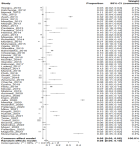
Summary of results on the prevalence of diabetes: the 57 included studies represented a total population of 101,412 adults aged ≥18 years, with 8194 individuals with diabetes, for an overall prevalence of 8.1% (95% CI: 6.3-10.1%) (Figure 2). However, there was a high degree of heterogeneity between studies (I2 = 99.2%, statistic Q = 6,946.34, df = 56, p < 0.001), as described in Figure 2.
The prevalence of diabetes differed according to the sex of participants, with a pooled prevalence of 4.5% (95% CI: 3.0-6.3%; k=19 studies, I2=96.4%) in males and 5.9% (95% CI: 3.6-8.6%; k=18, I2=95.0%) in females; this difference was not statistically significant (Q=0.79, df=1, p=0.373).
Prevalence also varied according to study setting, with a pooled estimate of 7.2% (95% CI: 4.3-10.7%; k=19, I2=98.8%) for community-based studies, 9.6% (95% CI: 4.8-15.8%; k=6, I2=92.8%) for hospital-based studies, and 3.8% (95% CI: 1.7-6.7%; k=3, I2=91.6%) for enterprise/workplace-based studies. The test for subgroup differences showed a borderline non-significant trend (Q=4.93, df=2, p=0.085). Similarly, prevalence differed between studies conducted in rural areas, with a pooled estimate of 3.8% (95% CI: 2.3-5.7%; k=9, I2=91.7%), and those conducted in urban areas, at 4.7% (95% CI: 1.9-8.6%; k=6, I2=95.5%), although this difference was not statistically significant (Q=0.22, df=1, p=0.640).
Regarding geographical distribution, the prevalence by country was 6.5% (95% CI: 3.7-10.1%; k=6, I2=99.0%) in Uganda, 7.0% (95% CI: 4.7-9.6%; k=5, I2=99.2%) in the Democratic Republic of Congo and 7.5% (95% CI: 4.4-11.4%; k=7, I2=97.9%) in Kenya. In addition, the pooled prevalence of diabetes in Tanzania was 8.7% (95% CI: 5.7-12.4%; k=9, I2=95.1%). In contrast to the other subgroup comparisons, the test for subgroup differences showed a statistically significant difference in pooled prevalence between countries (Q=16.50, df=4, p=0.0024), suggesting that country-level factors contribute meaningfully to the heterogeneity observed in this meta-analysis. From the 17 studies that reported the prevalence of prediabetes, the overall pooled prevalence was 10.8% (95% CI: 6.9-15.5%).
Diabetes prevalence also varied according to the diagnostic criterion used across studies (Q=27.00, df=6, p<0.001), with the lowest prevalence observed in studies based solely on self-reported diagnosis (2.6%; 95% CI: 1.4-4.1%; k=6 studies) compared with other diagnostic criteria (fasting glucose, random glucose, HbA1c, or oral glucose tolerance test), for which pooled prevalence estimates ranged from 8.4% to 10.0%. Conversely, no statistically significant difference was observed between studies of high methodological quality (JBI score ≥7/10; 8.0%; 95% CI: 5.8-10.4%; k=42) and those of lower quality (JBI score <7/10; 8.4%; 95% CI: 5.2-12.2%; k=15) (Q=0.04, df=1, p=0.839), suggesting that the overall methodological quality of the studies did not substantially bias the pooled prevalence estimate.
Synthesis of findings on factors associated with diabetes: the factors associated with diabetes reported in the different included studies were gender, age over 40 years, marital status, obesity, family history of diabetes, high blood pressure, smoking, alcohol consumption, and location (Table 2, Table 2.1). Factors significantly associated with diabetes were age > 40 years (OR: 3.89; 95% CI: 2.55 - 5.93), overweight/obesity (OR: 2.90; 95% CI: 1.70 - 4.93), and hypertension (OR: 4.32; 95% CI: 2.45 - 7.62). Male sex (OR=1.13; 95% CI: 0.84-1.52), urban residence (OR=1.38; 95% CI: 0.55-3.48), smoking, alcohol consumption, marital status, and family history of diabetes were not significantly associated with diabetes in our analyses. As these analyses are based on a limited number of studies per factor, these findings should be interpreted as exploratory.
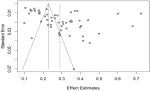
Publication bias: the tunnel diagram was skewed (Figure 3), and the Egger regression test confirmed the publication bias of the articles included in the prevalence meta-analysis (p = 0.0023). Although the correction to the trim-and-fill model did not report any potentially missing studies, the standard error of the number of missing studies was 4.06.
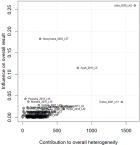
Sensitivity analysis: the leave-one-out analysis showed that no single study substantially altered the pooled estimate: the largest shift occurred when Jutta Jorgensen et al. [37] was excluded, changing the pooled prevalence from 8.1% to 7.6% (a difference of 0.45 percentage points), followed by Nizeyimana et al. [78] (0.39 points) and Ayah et al. [44] (0.32 points). The Baujat plot (Figure 4) identified eleven studies as substantial contributors to overall heterogeneity, most notably Jutta Jorgensen et al. [37] and Nizeyimana et al. [78]; however, their exclusion individually did not meaningfully change the pooled prevalence, suggesting that the high heterogeneity observed (I2=99.2%) reflects genuine variability across the study population rather than being driven by one or a few extreme studies. When the four studies with sample sizes below 200 participants were excluded (Epafra et al. 2019, n=50; Asiimwe et al. 2020, n=139; Jordan Amanyire et al. 2019, n=156; and Nyombi et al. 2016, n=180) [32,72-74], the pooled prevalence remained stable at 7.9% (95% CI: 6.1-10.0%; k=53), a change of only 0.16 percentage points from the main estimate, with I2 remaining virtually unchanged (99.2%).
Univariable meta-regression (Annex 1) identified country (QM=11.05, df=4, p=0.026) and study sample size (QM=9.18, df=1, p=0.003) as significant contributors to the heterogeneity observed in the pooled prevalence estimate, together explaining 11.4% and 13.0% of the between-study variance, respectively; prevalence estimates were higher in Rwanda compared with Kenya (coefficient=0.402, 95% CI: 0.146-0.657, p=0.002) and decreased with increasing sample size. Diagnostic criterion, study setting, JBI quality score, and publication year were not significant moderators of prevalence estimates (all p>0.05).
The African Great Lakes Region, which has experienced multiple armed conflicts and considerable socio-economic and ethnic disparities, offers a particular context for the study of chronic diseases such as diabetes mellitus. This geographical area, which is not often considered in diabetes epidemiological data, requires special attention because of its unique conditions that directly influence the health of its inhabitants. This review compiled data on the prevalence and factors associated with diabetes mellitus in this region, including articles published between 2010 and 2023.
The combined prevalence of diabetes in this region was 8.1% (95% CI: 6.27 - 10.09%). This value is lower than the prevalence found in Iran (10.8%) and Afghanistan (12.3%) [80,81]. However, in the sub-Saharan Africa region, the result of this study appears to be superior to that of the research conducted by Asamoah et al. in Ghana, according to which the prevalence of diabetes mellitus was 6.46% [82].
However, this high variability observed between the primary studies in our study and those conducted elsewhere reflects the fact that the prevalence of diabetes is closely dependent on the location of the study. In addition, methodological variations, such as the criteria for defining diabetes and the non-inclusion of small sample sizes in these reviews, could explain the observed differences in prevalence. However, this prevalence is still high, as it represents approximately one in ten people who are affected overall. This demonstrates the need to strengthen diabetes prevention and management in these countries, most of which are low- and middle-income countries. The implementation of a regionally coordinated strategy may be particularly beneficial. Considering the socio-cultural similarities and challenges common to the countries of the sub-region, such an approach would make it possible to pool resources, share best practices, and optimize the impact of interventions. These recommendations should nevertheless be adapted and validated at the level of each country, given the substantial heterogeneity observed between national contexts, rather than applied uniformly at the regional level. This regional cooperation could also facilitate the establishment of training programs for health professionals, improvement of infrastructure, and development of awareness-raising campaigns adapted to local contexts.
The prevalence of diabetes was numerically higher in women than in men (5.9% vs. 4.5%), although this difference did not reach the threshold of statistical significance (p=0.373) in our subgroup analysis. This lack of a significant difference should be interpreted with caution given the aggregated and observational nature of the data; it does not rule out the existence of underlying sex-related biological mechanisms (particularly the protective effect of oestrogen before menopause) already documented in the literature [83-85], but suggests that individual-level data would be needed to explore these differences more robustly. Diabetes control strategies remain necessary for both sexes.
Although a numerically higher prevalence was observed in studies conducted in urban areas compared with rural areas (4.7% vs. 3.8%), this difference was not statistically significant (p=0.640) in our subgroup analysis, in contrast to what has been reported in other regional contexts by Flood et al. [86]. This lack of significance may be explained by the limited number of studies reporting this stratification (n=15) and by the substantial residual heterogeneity within each subgroup (I2>90%). Hypotheses relating to sedentary lifestyles and diets high in processed foods [6] remain plausible, along with chronic stress in urban environments [87,88], but these are not confirmed by our aggregated data and would warrant testing using individual-level data. In addition, a statistically significant difference in prevalence was observed between countries in the region (p=0.002), with a higher estimate in Rwanda compared with Kenya in meta-regression; however, as this result is based on a very limited number of studies per country (only one study for Rwanda), it should be interpreted as exploratory. The socio-economic particularities, health systems, and public policies specific to each country should nevertheless be taken into account in the development of national diabetes control strategies.
Risk factors associated with the development of diabetes in the Great Lakes Region were analyzed, highlighting key elements such as age, obesity, and hypertension. Indeed, this study revealed a significant association between these factors and the prevalence of diabetes. Comparing our findings with those of other regional and international studies revealed a similar trend, suggesting that the risk factors for diabetes are broadly constant despite cultural and socioeconomic variations. Focusing on prevention in individuals aged > 40 years, as well as interventions to reduce obesity rates and control hypertension, could potentially decrease the burden of diabetes in this region. This could take the form of specific awareness campaigns, early detection programs, and lifestyle modification initiatives tailored to the needs of this population. These associations, although consistent with the international literature, are based on a limited number of studies per factor and should be interpreted as exploratory.
This study has several strengths, notably the use of strict eligibility criteria, the systematic assessment of the methodological quality of included studies using the JBI tool, the formal exploration of sources of heterogeneity through subgroup analyses with formal statistical tests and a meta-regression, as well as sensitivity analyses confirming the robustness of the main prevalence estimate. However, it also has several limitations. First, we only included studies involving a population aged 18 years and older, which excluded studies that considered a population aged 15 years and older. Second, despite our efforts to categorize studies according to the diagnostic criterion used, the included articles did not consistently report information allowing type 1 diabetes to be distinguished from type 2 diabetes among participants; although we excluded studies explicitly including type 1 diabetic patients, it is possible that a limited number of unidentified type 1 diabetes cases were included in the prevalence studies, which constitutes a limitation inherent to the data available in the existing literature. Third, data extraction was performed by a single author, which may increase the risk of error, although uncertainties were discussed collegially with the team. Finally, the substantial residual heterogeneity between studies (I2=99.2%), only partially explained by country and sample size in our meta-regression analyses, together with methodological and diagnostic-criterion variability between primary studies, warrants caution in interpreting the pooled prevalence and subgroup estimates, particularly for subgroups based on a small number of studies (for example, Rwanda, represented by a single study).
This systematic review and meta-analysis estimated the pooled prevalence of diabetes mellitus among adults in the African Great Lakes Region at 8.1% (95% CI: 6.3-10.1%), with substantial heterogeneity between studies partially explained by country and sample size. Age over 40 years, overweight/obesity, and hypertension were significantly associated with diabetes in this region. In contrast, differences in prevalence according to sex, study setting, and area of residence (urban/rural) did not reach the threshold of statistical significance in our analyses. These findings underscore the need for diabetes prevention and management strategies targeting high-risk groups (people over 40 years of age, overweight or obese, or hypertensive), tailored to the specific characteristics of each country in the region rather than applied uniformly, given the heterogeneity observed between national contexts.
What is known about this topic
- Diabetes mellitus is a non-communicable disease whose global and African prevalence is continually increasing;
- Diabetes prevalence varies markedly across regions of Africa, with aggregated estimates available for North Africa and sub-Saharan Africa;
- Data specific to the African Great Lakes Region, marked by conflict, have until now remained fragmented and unsynthesized.
What this study adds
- This study provides the first pooled regional estimate of diabetes prevalence in the countries of the African Great Lakes Region (8.1%);
- It identifies older age, overweight/obesity, and hypertension as factors significantly associated with diabetes in this region;
- It demonstrates, through subgroup analyses and meta-regression, that country and sample size contribute significantly to the observed heterogeneity.
The authors declare no competing interests.
Study conception and design: David Dyikpanu Tibasima and Eugène Sobngwi; data collection: David Dyikpanu Tibasima, Guy Sadeu Wafeu, and Brice Mbock Ekwalla; data analysis and interpretation: David Dyikpanu Tibasima, Guy Sadeu Wafeu, and Philomème Missi Mbassi; manuscript drafting: David Dyikpanu Tibasima, Yves Wasnyo and Guy Sadeu Wafeu; manuscript revision: Philomème Missi Mbassi, Joëlle Laure Sobngwi Tambekou, Brice Mbock Ekwalla, Yves Wasnyo, and Eugène Sobngwi; guarantor of the study: Eugène Sobngwi. All the authors read and approved the final version of this manuscript.
We thank Dr. Nancy Houser for her financial contribution to this research. We also thank Mr Tito Hecheked and Pascal Napoléon Amani Kagadju for the selection of articles.
Table 1: description of the risks of bias in the studies selected for the systematic review and meta-analysis on the prevalence and factors associated with diabetes in the African Great Lakes Region, 2010 to 2023 (n=59)
Table 1.1: description of the risks of bias in the studies selected for the systematic review and meta-analysis on the prevalence and factors associated with diabetes in the African Great Lakes Region, 2010 to 2023 (n=59)
Table 2: description of the characteristics of the studies included in the systematic review and meta-analysis on prevalence and factors associated with diabetes in the African Great Lakes Region, 2010 to 2023 (n=59)
Table 2.1: description of the characteristics of the studies included in the systematic review and meta-analysis on prevalence and factors associated with diabetes in the African Great Lakes Region, 2010 to 2023 (n=59)
Figure 1: PRISMA flowchart of the studies included in this systematic review and meta-analysis
Figure 2: forest plot of the overall prevalence of diabetes mellitus in the adult population of the Great Lakes Africa, 2010 - 2023
Figure 3: funnel plot of prevalence studies of diabetes mellitus in the African Great Lakes Region, 2010 to 2023 (n=59)
Figure 4: Baujat plot identifying the studies contributing most to heterogeneity
Annex 1: supplementary material (PDF - 288KB)
- Guariguata L, Whiting DR, Hambleton I, Beagley J, Linnenkamp U, Shaw JE. Global estimates of diabetes prevalence for 2013 and projections for 2035. Diabetes Res Clin Pract. 2014 Feb;103(2):137-49. PubMed | Google Scholar
- International Diabetes Federation. IDF Diabetes Atlas 10th edition. 2021. Accessed 28th December, 2022.
- Organisation mondiale de la Santé. Rapport mondial sur le diabète. 2016. Accessed 10th September, 2022.
- International Diabetes Federation. IDF diabetes atlas: ninth edition 2019. 2019. Accessed 26th December, 2025.
- Hall V, Thomsen RW, Henriksen O, Lohse N. Diabetes in Sub Saharan Africa 1999-2011: epidemiology and public health implications. A systematic review. BMC Public Health. 2011 Jul 14;11:564. PubMed | Google Scholar
- Bos M, Agyemang C. Prevalence and complications of diabetes mellitus in Northern Africa, a systematic review. BMC Public Health. 2013 Apr 25;13:387. PubMed | Google Scholar
- Coopération internationale Direction du développement et de la coopération DDC. La coopération internationale de la Suisse. 2023. Accessed 26th December, 2025.
- Cazenave-Piarrot A, Ndayirukiye S, Valton C. Atlas des pays du Nord-Tanganyika. IRD France. 2026. Google Scholar
- Révillon J. L'intégration régionale dans les Grands Lacs: analyse comparée Rwanda/Burundi. Université de Pau et des Pays de L'adour. 2016. Google Scholar
- Organisation for Economic Co-operation and Development (OECD). La population: répartition, structure, dynamiques. Revue de l'OCDE sur le développement. Éditions de l'OCDE. 2003;4:79-90.
- Ghesquiêre J, Ekisawa N, D'Hulst C. L'âge moyen des premières règles chez les filles scolarisées de Bunia. Bulletins et mémoires de la Société d'anthropologie de Paris. 1986;3(1):27-35. Google Scholar
- Kabir R, Hayhoe R, Bai AC, Vinnakota D, Sivasubramanian M, Afework S et al. The systematic literature review process: a simple guide for public health and allied health students. Int J Res Med Sci. 2023;11:3498-506. Google Scholar
- Alberti KG, Zimmet PZ. Definition, diagnosis and classification of diabetes mellitus and its complications. Part 1: diagnosis and classification of diabetes mellitus provisional report of a WHO consultation. Diabet Med. 1998 Jul;15(7):539-53. PubMed | Google Scholar
- Diabetes Canada Clinical Practice Guidelines Expert Committee; Punthakee Z, Goldenberg R, Katz P. Definition, Classification and Diagnosis of Diabetes, Prediabetes and Metabolic Syndrome. Can J Diabetes. 2018 Apr:42 Suppl 1:S10-S15. PubMed | Google Scholar
- World Health Organization. Definition, diagnosis and classification of diabetes mellitus and its complications : report of a WHO consultation. Part 1, Diagnosis and classification of diabetes mellitus. 1999. Accessed 20th September, 2024.
- Ramon CG. Guide Pratique de la Santé. Espagne: Vidasana. 2009.
- Ouzzani M, Hammady H, Fedorowicz Z, Elmagarmid A. Rayyan-a web and mobile app for systematic reviews. Syst Rev. 2016 Dec 5;5(1):210. PubMed | Google Scholar
- Balduzzi S, Rücker G, Schwarzer G. How to perform a meta-analysis with R: a practical tutorial. Evid Based Ment Health. 2019 Nov;22(4):153-160. PubMed | Google Scholar
- Borenstein M, Hedges LV, Higgins JP, Rothstein HR. A basic introduction to fixed-effect and random-effects models for meta-analysis. Res Synth Methods. 2010 Apr;1(2):97-111. PubMed | Google Scholar
- Alebel A, Wondemagegn AT, Tesema C, Kibret GD, Wagnew F, Petrucka P et al. Prevalence of diabetes mellitus among tuberculosis patients in Sub-Saharan Africa: a systematic review and meta-analysis of observational studies. BMC Infect Dis. 2019 Mar 13;19(1):254. PubMed | Google Scholar
- Egger M, Davey Smith G, Schneider M, Minder C. Bias in meta-analysis detected by a simple, graphical test. BMJ. 1997 Sep 13;315(7109):629-34. PubMed | Google Scholar
- Mayige MK, Kagaruki G. Tanzania STEPS survey report. Dar es Salaam: National Institute of Medical Research. 2013. Google Scholar
- Miller BJ. Type 2 diabetes mellitus in the Arumeru district of northern Tanzania: evaluation of the prevalence and associated risk factors in rural communities. Washington State University. 2013. Google Scholar
- Ruhembe CC, Mosha TC, Nyaruhucha CN. Prevalence and awareness of type 2 diabetes mellitus among adult population in Mwanza city, Tanzania. Tanzan J Health Res. 2014 Apr;16(2):89-97. PubMed | Google Scholar
- Mandha J, Joram B, Kassimu N, Petrucka P. Risk Factors of Type 2 Diabetes among Maasai Pastoral Communities in Simanjiro, Tanzania. Open Access Library Journal. Scientific Research Publishing; 2015;2:1-11. Google Scholar
- Munyogwa MJ. Prevalence of and risk factors for diabetes mellitus among adults in Dodoma region, Tanzania. The University of Dodoma. 2015. Google Scholar
- Ruhembe CC, Mosha TCE, Nyaruhucha CNM. Risk factors associated with elevated blood glucose among adults in Mwanza City, Tanzania. Tanzania Journal of Agricultural Sciences. 2015. Google Scholar
- Stanifer JW, Cleland CR, Makuka GJ, Egger JR, Maro V, Maro H et al. Prevalence, Risk Factors, and Complications of Diabetes in the Kilimanjaro Region: A Population-Based Study from Tanzania. PLoS One. 2016 Oct 6;11(10):e0164428. PubMed | Google Scholar
- Ludwig C, Streicher M, Habicht SD, Swai ME, Krawinkel MB. Targeted screening reveals high numbers of prediabetes and diabetes mellitus in Moshi. Tanzania. J Diabetes Metab. 2017;8(720):2. Google Scholar
- Ploth DW, Mbwambo JK, Fonner VA, Horowitz B, Zager P, Schrader R et al. Prevalence of CKD, Diabetes, and Hypertension in Rural Tanzania. Kidney Int Rep. 2018 Apr 22;3(4):905-915. PubMed | Google Scholar
- Nyabisaga CM. Prevalence of type 2 diabetes mellitus and associated risk factors among local government workers at Bariadi Town Council, Tanzania. 2017. Google Scholar
- Epafra G, Machunda R, Shirima G. Influence of fluoride on the prevalence of diabetes mellitus in selected fluoride endemic areas of Tanzania. International Journal of Biosciences. 2019. Google Scholar
- Hertz JT, Sakita FM, Manavalan P, Madut DB, Thielman NM, Mmbaga BT et al. The Burden of Hypertension and Diabetes in an Emergency Department in Northern Tanzania. Ethn Dis. 2019 Oct 17;29(4):559-566. PubMed | Google Scholar
- Hodel NC, Hamad A, Reither K, Mwangoka G, Kasella I, Praehauser C et al. Assessment of diabetes and prediabetes prevalence and predictors by HbA1c in a population from sub-Saharan Africa with a high proportion of anemia: a prospective cross-sectional study. BMJ Open Diabetes Res Care. 2020 May;8(1):e000939. PubMed | Google Scholar
- Ntalima KS. Hyperglycemia and associated risk factors among formal sector employees in Dodoma city council- Tanzania: A cross sectional study. The University of Dodoma. 2019. Google Scholar
- Godson E. Exploring the relationship between diabetes mellitus and environmental fluoride contamination in selected areas of Tanzania. 2020. Google Scholar
- Jorgensen JMA, Hedt KH, Omar OM, Davies JI. Hypertension and diabetes in Zanzibar - prevalence and access to care. BMC Public Health. 2020 Sep 4;20(1):1352. PubMed | Google Scholar
- Pallangyo P, Komba M, Mkojera ZS, Mayala HA, Bhalia SV, Millinga J et al. Non-Communicable Disease Risk Factors Among Caregivers of Patients Attending a Tertiary Cardiovascular Hospital in Tanzania. Int J Gen Med. 2022 May 5;15:4685-4696. PubMed | Google Scholar
- Osetinsky B, Mhalu G, Mtenga S, Tediosi F. Care cascades for hypertension and diabetes: Cross-sectional evaluation of rural districts in Tanzania. PLoS Med. 2022 Dec 5;19(12):e1004140. PubMed | Google Scholar
- Malindisa EK, Balandya E, Mashili F, Iddi S, Njelekela M. The magnitude of type 2 diabetes mellitus and cardiovascular disease risk factors among young adults in urban settings: a cross-sectional survey in Mwanza, Tanzania. The Pan African Medical Journal. 2022 May 10;42:19. PubMed | Google Scholar
- Pallangyo P, Mkojera ZS, Hemed NR, Swai HJ, Misidai N, Mgopa L et al. Obesity epidemic in urban Tanzania: a public health calamity in an already overwhelmed and fragmented health system. BMC Endocr Disord. 2020 Sep 29;20(1):147. PubMed | Google Scholar
- Wanjiru R. Prevalence of diabetes mellitus and other Cardiovascular risk factors in Kibera slum. 2011. Accessed 21st October, 2024.
- Ndungi FN. Association between risk factors for lifestyle diseases and prevalence of diagnosed hypertension and diabetes in the swahili community: The case of Kisauni and old town districts in Mombasa, Kenya. Egerton University. 2012.
- Ayah R, Joshi MD, Wanjiru R, Njau EK, Otieno CF, Njeru EK et al. A population-based survey of prevalence of diabetes and correlates in an urban slum community in Nairobi, Kenya. BMC Public Health. 2013 Apr 20;13:371. PubMed | Google Scholar
- Pastakia SD, Ali SM, Kamano JH, Akwanalo CO, Ndege SK, Buckwalter VL et al. Screening for diabetes and hypertension in a rural low income setting in western Kenya utilizing home-based and community-based strategies. Global Health. 2013 May 16;9:21. PubMed | Google Scholar
- El-busaidy H, Dawood M, Kasay A, Mwamlole C, Koraya N, Parpia H. How serious is the impact of type II diabetes in rural Kenya? Age (years). 2014;46:18-90. Google Scholar
- Joshi MD, Ayah R, Njau EK, Wanjiru R, Kayima JK, Njeru EK et al. Prevalence of hypertension and associated cardiovascular risk factors in an urban slum in Nairobi, Kenya: a population-based survey. BMC Public Health. 2014 Nov 18;14:1177. PubMed | Google Scholar
- Ogolla EN. Cardiometabolic Risk Factors in Ambulatory Patients in Primary Care. 2015. Accessed 26th December, 2025.
- Mannik J, Figol A, Churchill V, Aw J, Francis S, Karino E et al. Community-based screening for cardiovascular risk using a novel mHealth tool in rural Kenya. J Innov Health Inform. 2018 Oct 31;25(3):176-182. PubMed | Google Scholar
- Mohamed SF, Mwangi M, Mutua MK, Kibachio J, Hussein A, Ndegwa Z et al. Prevalence and factors associated with pre-diabetes and diabetes mellitus in Kenya: results from a national survey. BMC Public Health. 2018 Nov 7;18(Suppl 3):1215. PubMed | Google Scholar
- Turpin K, Rockers PC, Vian T, Onyango MA, Laing R, Wirtz VJ. Prevalence and treatment of hypertension, diabetes and asthma in Kenya: a representative household survey in eight counties in 2016. East Afr Med J. 2018 Mar;95(3). Google Scholar
- Mwangi KJ, Mwenda V, Gathecha G, Beran D, Guessous I, Ombiro O et al. Socio-economic and demographic determinants of non-communicable diseases in Kenya: a secondary analysis of the Kenya stepwise survey. The Pan African Medical Journal. 2020 Dec 16;37:351. PubMed | Google Scholar
- Ongosi AN, Wilunda C, Musumari PM, Techasrivichien T, Wang CW, Ono-Kihara M et al. Prevalence and Risk Factors of Elevated Blood Pressure and Elevated Blood Glucose among Residents of Kajiado County, Kenya: A Population-Based Cross-Sectional Survey. Int J Environ Res Public Health. 2020 Sep 23;17(19):6957. PubMed | Google Scholar
- Mkuu RS, Gilreath TD, Barry AE, Nafukho FM, Rahman J, Chowdhury MAB et al. Identifying individuals with multiple non-communicable disease risk factors in Kenya: a latent class analysis. Public Health. 2021 Sep;198:180-186. PubMed | Google Scholar
- Kingori S, Abdillahi H, Reuben M, Atiema L. Prevalence and risk factors associated with diabetes in Meru County, Kenya: a cross-sectional study. International Journal of Diabetes in Developing Countries. 2021;41. Google Scholar
- Ngaruiya C, Wambua M, Mutua TK, Owambo D, Muchemi M, Rop K et al. The last frontier for global non-communicable disease action: The emergency department-A cross-sectional study from East Africa. PLoS One. 2021 Apr 2;16(4):e0248709. PubMed | Google Scholar
- Temu TM, Macharia P, Mtui J, Mwangi M, Ngungi PW, Wanjalla C et al. Obesity and risk for hypertension and diabetes among Kenyan adults: Results from a national survey. Medicine (Baltimore). 2021 Oct 8;100(40):e27484. PubMed | Google Scholar
- Mugume IB, Wafula ST, Kadengye DT, Van Olmen J. Performance of a Finnish Diabetes Risk Score in detecting undiagnosed diabetes among Kenyans aged 18-69 years. PLoS One. 2023 Apr 26;18(4):e0276858. PubMed | Google Scholar
- Katchunga P, Masumbuko B, Belma M, Kashongwe Munogolo Z, Hermans MP, M'buyamba-Kabangu JR. Age and living in an urban environment are major determinants of diabetes among South Kivu Congolese adults. Diabetes Metab. 2012 Oct;38(4):324-31. PubMed | Google Scholar
- Muyer MT, Muls E, Mapatano MA, Makulo JR, Mvitu M, Kimenyembo W et al. Diabetes and intermediate hyperglycaemia in Kisantu, DR Congo: a cross-sectional prevalence study. BMJ Open. 2012 Nov 15;2(6):e001911. PubMed | Google Scholar
- Houser N, Baiden P, Fuller-Thomson E. Diabetes and Hypertension in Congolese Church Personnel: An Emerging Epidemic? J Community Health. 2017 Jun;42(3):453-460. PubMed | Google Scholar
- Mbamukonka PK, Batina Agasa S, Tonen-Wolyec S, Mbo Mukonkole JP, Kayembe Tshilumba C. Type 2 diabetes mellitus among the elderly in Goma, Democratic Republic of the Congo: prevalence, clinical features and complications. Afr j health issues. 2017;1-11. Google Scholar
- Mawaw PM, Yav T, Mukuku O, Lukanka O, Kazadi PM, Tambwe D et al. Prevalence of obesity, diabetes mellitus, hypertension and associated risk factors in a mining workforce, Democratic Republic of Congo. The Pan African Medical Journal. 2017 Nov 30;28:282. PubMed | Google Scholar
- Masimango MI, Sumaili EK, Wallemacq P, Malembaka EB, Hermans MP, Fillée C et al. Prevalence and Risk Factors of CKD in South Kivu, Democratic Republic of Congo: A Large-Scale Population Study. Kidney Int Rep. 2020 Jun 9;5(8):1251-1260. PubMed | Google Scholar
- Muyer MTM, Botomba S, Poka N, Mpunga D, Sibongwere DK, Peñalvo JL et al. Diabetes prevalence and risk factors, underestimated without oral glucose tolerance test, in rural Gombe-Matadi Adults, Democratic Republic of Congo, 2019. Sci Rep. 2022 Sep 12;12(1):15293. PubMed | Google Scholar
- Mondo CK, Otim MA, Akol G, Musoke R, Orem J. The prevalence and distribution of non-communicable diseases and their risk factors in Kasese district, Uganda. Cardiovasc J Afr. 2013 Apr;24(3):52-7. PubMed | Google Scholar
- Mayega RW, Guwatudde D, Makumbi F, Nakwagala FN, Peterson S, Tomson G et al. Diabetes and pre-diabetes among persons aged 35 to 60 years in eastern Uganda: prevalence and associated factors. PLoS One. 2013 Aug 14;8(8):e72554. PubMed | Google Scholar
- Mayega RW, Guwatudde D, Makumbi FE, Nakwagala FN, Peterson S, Tomson G et al. Comparison of fasting plasma glucose and haemoglobin A1c point-of-care tests in screening for diabetes and abnormal glucose regulation in a rural low income setting. Diabetes Res Clin Pract. 2014 Apr;104(1):112-20. PubMed | Google Scholar
- Wandera SO, Kwagala B, Ntozi J. Prevalence and risk factors for self-reported non-communicable diseases among older Ugandans: a cross-sectional study. Glob Health Action. 2015 Jul 22;8:27923. PubMed | Google Scholar
- Bahendeka S, Wesonga R, Mutungi G, Muwonge J, Neema S, Guwatudde D. Prevalence and correlates of diabetes mellitus in Uganda: a population-based national survey. Trop Med Int Health. 2016 Mar;21(3):405-16. PubMed | Google Scholar
- Mugisha JO, Schatz EJ, Randell M, Kuteesa M, Kowal P, Negin J et al. Chronic disease, risk factors and disability in adults aged 50 and above living with and without HIV: findings from the Wellbeing of Older People Study in Uganda. Glob Health Action. 2016 May 24;9:31098. PubMed | Google Scholar
- Nyombi KV, Kizito S, Mukunya D, Nabukalu A, Bukama M, Lunyera J et al. High prevalence of hypertension and cardiovascular disease risk factors among medical students at Makerere University College of Health Sciences, Kampala, Uganda. BMC Res Notes. 2016 Feb 17;9:110. PubMed | Google Scholar
- Amanyire J, Tumwebaze M, Mugisha MK, Bright LW. Prevalence and risk factors for hypertension, diabetes and obesity among lecturers and support staff of Bishop Stuart University in Mbarara, Uganda. Open Journal of Applied Sciences. 2019 Mar 12;9(03):126-37. Google Scholar
- Asiimwe D, Mauti GO, Kiconco R. Prevalence and Risk Factors Associated with Type 2 Diabetes in Elderly Patients Aged 45-80 Years at Kanungu District. Journal of Diabetes Research. 2020;2020:5152146. Google Scholar
- Kubiak RW, Sveum EM, Faustin Z, Muwonge T, Zaidi HA, Kambugu A et al. Prevalence and risk factors for hypertension and diabetes among those screened in a refugee settlement in Uganda. Confl Health. 2021 Jul 5;15(1):53. PubMed | Google Scholar
- Siddharthan T, Kalyesubula R, Morgan B, Ermer T, Rabin TL, Kayongo A et al. The rural Uganda non-communicable disease (RUNCD) study: prevalence and risk factors of self-reported NCDs from a cross sectional survey. BMC Public Health. 2021 Nov 7;21(1):2036. PubMed | Google Scholar
- Ampeire IP, Kawugezi PC, Mulogo EM. Prevalence of prediabetes and associated factors among community members in rural Isingiro district. BMC Public Health. 2023 May 25;23(1):958. PubMed | Google Scholar
- Nizeyimana F, Ntigurirwa M, Placide M, Mukeshimana J, Nderelimana O, Nkurikiyintwali J et al. Blood Glucose Level among Patients Attending Rwanda Diabetes Association and Centre Medico-Social De Biryogo. International Journal of Diabetes Mellitus. 2023;8:317-21.
- Chiwanga FS, Njelekela MA, Diamond MB, Bajunirwe F, Guwatudde D, Nankya-Mutyoba J et al. Urban and rural prevalence of diabetes and pre-diabetes and risk factors associated with diabetes in Tanzania and Uganda. Glob Health Action. 2016 May 23;9:31440. PubMed | Google Scholar
- Akhtar S, Nasir JA, Javed A, Saleem M, Sajjad S, Khan M et al. The prevalence of diabetes in Afghanistan: a systematic review and meta-analysis. BMC Public Health. 2021 May 17;21(1):941. PubMed | Google Scholar
- Hazar N, Jokar M, Namavari N, Hosseini S, Rahmanian V. An updated systematic review and Meta-analysis of the prevalence of type 2 diabetes in Iran, 1996-2023. Front Public Health. 2024 Apr 4;12:1322072. PubMed | Google Scholar
- Asamoah-Boaheng M, Sarfo-Kantanka O, Tuffour AB, Eghan B, Mbanya JC. Prevalence and risk factors for diabetes mellitus among adults in Ghana: a systematic review and meta-analysis. Int Health. 2019 Mar 1;11(2):83-92. PubMed | Google Scholar
- Margolis KL, Bonds DE, Rodabough RJ, Tinker L, Phillips LS, Allen C et al. Effect of oestrogen plus progestin on the incidence of diabetes in postmenopausal women: results from the Women's Health Initiative Hormone Trial. Diabetologia. 2004 Jul;47(7):1175-1187. PubMed | Google Scholar
- Yan Y, Wu T, Zhang M, Li C, Liu Q, Li F. Prevalence, awareness and control of type 2 diabetes mellitus and risk factors in Chinese elderly population. BMC Public Health. 2022 Jul 19;22(1):1382. PubMed | Google Scholar
- Sacharidou A, Chambliss K, Peng J, Barrera J, Tanigaki K, Luby-Phelps K et al. Endothelial ERα promotes glucose tolerance by enhancing endothelial insulin transport to skeletal muscle. Nat Commun. 2023 Aug 17;14(1):4989. PubMed | Google Scholar
- Flood D, Geldsetzer P, Agoudavi K, Aryal KK, Brant LCC, Brian G et al. Rural-Urban Differences in Diabetes Care and Control in 42 Low- and Middle-Income Countries: A Cross-sectional Study of Nationally Representative Individual-Level Data. Diabetes Care. 2022 Sep 1;45(9):1961-1970. PubMed | Google Scholar
- Hackett RA, Steptoe A. Psychosocial Factors in Diabetes and Cardiovascular Risk. Curr Cardiol Rep. 2016 Oct;18(10):95. PubMed | Google Scholar
- Kivimäki M, Virtanen M, Kawachi I, Nyberg ST, Alfredsson L, Batty GD et al. Long working hours, socioeconomic status, and the risk of incident type 2 diabetes: a meta-analysis of published and unpublished data from 222 120 individuals. Lancet Diabetes Endocrinol. 2015 Jan;3(1):27-34. PubMed | Google Scholar
Search
This article authors
On Pubmed
On Google Scholar
Citation [Download]
Navigate this article
Similar articles in
Key words
Tables and figures

Article metrics
Recently from the PAMJ




Authors´ services
