Socio-economic and clinical predictors of malnutrition among pregnant women in Kisumu West sub-county, Kenya: a cross-sectional study
Neema Adhiambo Bala, Alfred Owino Odongo, Elijah Mbiti
Corresponding author: Neema Adhiambo Bala, School of Public Health, Mount Kenya University, Thika, Kenya 
Received: 01 Jun 2026 - Accepted: 06 Aug 2026 - Published: 17 Aug 2026
Domain: Adult nutrition, Malnutrition, Nutrition
Keywords: Maternal nutrition, malnutrition, pregnancy complications, anaemia, socioeconomic factors, Kenya
Funding: This work received no specific grant from any funding agency in the public, commercial, or non-profit sectors.
©Neema Adhiambo Bala et al. Pan African Medical Journal (ISSN: 1937-8688). This is an Open Access article distributed under the terms of the Creative Commons Attribution International 4.0 License (https://creativecommons.org/licenses/by/4.0/), which permits unrestricted use, distribution, and reproduction in any medium, provided the original work is properly cited.
Cite this article: Neema Adhiambo Bala et al. Socio-economic and clinical predictors of malnutrition among pregnant women in Kisumu West sub-county, Kenya: a cross-sectional study. Pan African Medical Journal. 2026;54:123. [doi: 10.11604/pamj.2026.54.123.53690]
Available online at: https://www.panafrican-med-journal.com//content/article/54/123/full
 PDF in process
 Research 

Socio-economic and clinical predictors of malnutrition among pregnant women in Kisumu West sub-county, Kenya: a cross-sectional study
Socio-economic and clinical predictors of malnutrition among pregnant women in Kisumu West sub-county, Kenya: a cross-sectional study
 Neema Adhiambo Bala1,&, Alfred Owino Odongo1, Elijah Mbiti1
&Corresponding author
Introduction: identifying specific drivers of maternal malnutrition is essential for targeted public health interventions. While poverty is a general distal cause, the interplay between individual clinical complications and economic status in rural Kenya remains under-researched. This study aimed to isolate the socio-economic and clinical factors independently influencing maternal malnutrition, evaluated through independent anthropometric and haematological models, among pregnant women in Kisumu West sub-county to inform localized antenatal screening policies.
Methods: a hospital-based cross-sectional study was conducted among 522 pregnant women seeking antenatal care (ANC) at Chulaimbo County Referral Hospital and Ober Kamoth sub-county Hospital. Data collection utilized structured questionnaires, anthropometric assessments mid-upper arm circumference (MUAC), and clinical health record abstractions. To avoid obscuring distinct clinical aetiologies, separate multivariable logistic regression analyses were executed to identify independent predictors for acute undernutrition (MUAC <21" cm" ) and maternal anaemia (Haemoglobin <11" g/dL" ). Statistical significance was defined as p<0.05.
Results: the study population (n=522) had a mean maternal age of 26.4 years (±5.1), with 74.7% married and 88.1% working in the informal sector. In the independent multivariable models, the absence of pregnancy-related complications was strongly protective against both acute undernutrition (aOR: 0.12, 95% CI 0.05-0.29; p < 0.001) and maternal anaemia (aOR: 0.09, 95% CI 0.04-0.21; p < 0.001). Formal employment significantly reduced the odds of undernutrition (aOR: 0.40, 95% CI 0.16-0.98; p = 0.044). Being in the third trimester was inversely associated with nutritional depletion (aOR: 0.35, 95% CI 0.17-0.70; p = 0.003), while having more than three household dependents also decreased the odds of undernutrition (aOR: 0.48, 95% CI 0.26-0.89; p = 0.020).
Conclusion: maternal nutritional depletion is heavily governed by immediate clinical morbidity and formal economic stability rather than general demographic factors. Interventions must prioritize integrated antenatal care pathways that combine clinical complication management with targeted social safety nets for economically vulnerable women.

Maternal malnutrition remains a leading risk factor for maternal and perinatal mortality, contributing to approximately 20% of global maternal deaths [1,2]. In low- and middle-income countries, a significant proportion of women are considered nutritionally vulnerable, often failing to receive the basic requirements necessary for their health and the development of their unborn child [3,4]. Across the African continent, the aggregated prevalence of maternal undernutrition is estimated at 20% [5,6]. Despite national health interventions in Kenya, such as the "Linda Mama" program, which provides free maternal care, the burden of malnutrition remains significantly high at 19.3% [7,8]. This persistent challenge leads to adverse consequences including low birth weight, premature delivery, and intrauterine growth restriction, which hinder long-term physical and mental development [9,10].
In Kisumu County, while the 2022 Kenya Demographic Health Survey (KDHS) highlighted significant nutritional gaps, it specifically excluded pregnant women and those within two months postpartum from its assessment [6,11]. This exclusion has created a critical data void regarding the nutritional status of this vital sub-population, a gap that local research has further compounded by historically prioritizing paediatric nutrition over maternal health [11,12]. While systemic poverty and low educational attainment are recognized macro-level drivers of malnutrition, they do not fully explain why nutritional outcomes vary significantly among women living within the same socio-economic strata [13,14]. In Kisumu West sub-county, where absolute poverty reaches 60%, residents face unique challenges related to informal labour and limited healthcare infrastructure [7,15]. This micro-level variation suggests that individual clinical paths and specific household structures interact with broader financial barriers, modifying maternal vulnerability.
Recent literature suggests that clinical morbidity during pregnancy significantly interferes with nutrient uptake, yet many Kenyan nutritional programs focus primarily on dietary education [4,16]. These "proximate determinants", individual-level clinical and behavioural factors, may tip the balance toward malnutrition even when macro-factors are stable [8,17]. Furthermore, while "Linda Mama" removed financial barriers to facility access, it does not address the "opportunity cost" of seeking care for women in the informal labour sector [11,18]. The current evidence base is also limited by a lack of longitudinal data, as most studies utilize cross-sectional designs that cannot establish causality or track nutritional transitions across multiple trimesters [1,19]. By investigating independent socio-economic and clinical markers within separate regression models, this study provides clear empirical insights into maternal health vulnerabilities. This study aimed to determine the socio-economic and clinical predictors of malnutrition among pregnant women attending antenatal care clinics in Kisumu West sub-county, Kenya.

Study design and setting: this hospital-based cross-sectional study was conducted between December 2024 and February 2026 at Chulaimbo County Referral Hospital (a Tier 3 facility) and Ober Kamoth sub-county Hospital (a Tier 2 facility), both located within Kisumu West sub-county, Kenya. This geographic area is characterized by a high poverty index, with approximately 60% of the population living below the poverty line, and a heavy reliance on informal, casual, and subsistence labour markets. These two study sites were purposefully selected to capture a representative mix of pregnant women seeking both specialized secondary referral services and routine primary maternal health services, reflecting the heterogeneous rural and semi-urban demographic landscape of the sub-county. Data collection was structured to leverage routine antenatal care (ANC) clinic days when health-seeking behaviours among local pregnant populations are highest.
Study population: the target population comprised all pregnant women, regardless of gestational age, who were attending routine antenatal care clinics at the selected facilities during the study period. To be included in the study, participants had to be residents of Kisumu West Sub-County for at least six months and provide written informed consent. Women presenting with cognitive impairments that precluded informed consent, or those presenting with acute medical emergencies requiring immediate, life-saving clinical interventions, were excluded from the study. The minimum required sample size was determined using the Cochran formula:
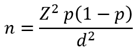
While assuming a regional maternal undernutrition prevalence (p) of 20%, a 95% confidence level (Z=1.96), and a 5% margin of error (d=0.05), yielded a baseline requirement of 246 participants. To maximize statistical power and permit separate modeling for distinct nutritional markers, the final cohort was expanded to 522 participants selected via simple random sampling from morning ANC clinic registers.
Data collection: data collection was executed by trained research assistants utilizing a three-part approach: interviewer-administered structured questionnaires, standardized anthropometric assessments, and abstracting data from official clinical records. The structured questionnaires were adapted from validated tools and pre-tested to gather comprehensive information on maternal socio-demographic features, household composition, and economic characteristics. Standardized anthropometric measurements were performed using a non-stretchable medical-grade tape to measure mid-upper arm circumference (MUAC) to the nearest 0.1 cm, maintaining strict alignment with World Health Organization guidelines to ensure measurement reliability. Clinical and laboratory information, including Haemoglobin levels, gestational age, parity, and confirmed comorbidities, was extracted directly from the participants' official Ministry of Health (MoH) mother-child health booklets and verified clinic electronic records.
Definitions: to provide precise epidemiological assessments and prevent the compounding of distinct biological pathways, maternal nutritional status was evaluated through two distinct primary outcome variables. Acute maternal undernutrition was operationally defined as a mid-upper arm circumference (MUAC) strictly less than 21.0" cm", a globally recognized threshold indicating severe maternal protein-energy depletion. Maternal anaemia was operationally defined as a Haemoglobin (Hb) concentration strictly less than 11.0" g/dL" , adjusted for altitude where necessary, in accordance with World Health Organization criteria. Gestational age was classified by trimesters: first trimester (weeks 1-12), second trimester (weeks 13-26), and third trimester (weeks 27 to delivery). Employment status was bifurcated into formal employment (salaried positions or registered businesses) and informal/casual labour or unemployment. The presence of pregnancy-related complications was defined as having an active, clinically documented medical diagnosis within the MoH booklet during the current pregnancy index, including laboratory-confirmed malaria, gestational hypertension, pre-eclampsia, or gestational diabetes mellitus. Household size was operationalized by the number of active dependents residing within the same structure, categorized as either ≤3 dependents or >3 dependents.
Statistical analysis: statistical analyses were performed using STATA version 18.0 and SPSS version 26.0. Continuous variables were expressed as means with standard deviations (±"SD" ), while categorical attributes were summarized using frequencies and percentages. To analyze independent predictors without masking distinct clinical causes, separate multivariable logistic regression models were constructed for acute undernutrition (MUAC <21" cm" ) and maternal anaemia (Hb <11" g/dL" ). To minimize data-driven omissions, a hybrid conceptual framework was used for model building: variables with a univariable p-value <0.25 were chosen as candidates, but core epidemiological and biological confounders, specifically maternal age, parity, and baseline formal education level, were forced into the final multivariable regression models regardless of statistical significance. Adjusted Odds Ratios (aOR) and Crude Odds Ratios (cOR) were calculated alongside their corresponding 95% confidence intervals (CI), with the alpha level set at p < 0.05 to denote statistical significance. Model stability and fitness were formally evaluated using diagnostics: multicollinearity was assessed using Variance Inflation Factors (VIF), goodness-of-fit was determined via the Hosmer-Lemeshow test, and discrimination capacity was checked using the Area Under the Receiver Operating Characteristic curve (AUC-ROC).
Ethical considerations: ethical clearance was granted by the Mount Kenya University Institutional Ethics Review Committee (Reference Number: MKU/ISERC/4843), and national research authorization was issued by the National Commission for Science, Technology, and Innovation (License Number: NACOSTI/P/25/417630). Written, informed consent was obtained from all participants prior to entering the study, with additional assent obtained for minors under 18 years of age alongside guardian consent. Participation was entirely voluntary, and all collected data were fully anonymized using unique identification codes to maintain participant confidentiality.
The final analyzed sample consisted of 522 pregnant women who completed all interview sections and clinical record abstractions, yielding a 100% data completion rate. The study population exhibited a mean maternal age of 26.4 years (±5.1, range 15-43). Of the 522 participants, 28.2% (n=147) met the criteria for maternal anaemia (Hb <11.0" g/dL" ), while 11.5% (n=60) were classified as acutely undernourished based on a MUAC measurement of less than 21.0" cm". The distribution of baseline characteristics revealed that the majority of participants were married (74.7%, n=390), had attained a primary or secondary level of education (82.4%, n=430), and operated primarily within the informal labor sector or were unemployed (88.1%, n=460). Both univariable and multivariable regression parameters assessing the socio-economic and clinical predictors of acute undernutrition and maternal anaemia are presented systematically in Table 1. Socio-demographic variables including maternal age, formal education levels, and marital status did not emerge as statistically significant independent predictors of maternal nutritional depletion across any of the multivariable regression architectures when controlling for immediate clinical and economic drivers. In the acute undernutrition model, continuous maternal age demonstrated an adjusted odds ratio of 1.02 (95% CI: 0.95-1.12; p = 0.420), while possessing a formal secondary education or higher compared to no or primary education yielded an aOR of 1.15 (95% CI: 0.78-1.68; p = 0.510). Similarly, being married exhibited no independent statistical association with undernutrition when compared to single or separated statuses (aOR: 0.88, 95% CI: 0.52-1.45; p = 0.620).
These demographic baselines maintained a non-significant profile within the independent maternal anaemia multivariable model, where maternal age yielded an aOR of 1.01 (95% CI: 0.94-1.09; p = 0.720), and higher education yielded an aOR of 1.04 (95% CI: 0.71-1.52; p = 0.840). An inverse association was observed between household dependent structures and acute maternal undernutrition. Having more than three household dependents was found to be significantly protective against undernutrition, reflecting a 52% reduction in the odds of low MUAC scores compared to households maintaining three or fewer dependents (aOR: 0.48, 95% CI: 0.26-0.89; p = 0.020). However, when evaluating maternal anaemia as the primary outcome, this protective relationship did not achieve statistical significance (aOR: 0.81, 95% CI: 0.51-1.28; p = 0.362), demonstrating that household dependency size correlates differently with maternal protein-energy depletion than it does with systemic micronutrient and haematological markers. Regarding clinical predictors, the absence of pregnancy-related complications during the index pregnancy served as a highly significant protective factor against maternal nutritional depletion in both multivariable models. Women who did not experience active complications (such as laboratory-confirmed malaria, gestational hypertension, or pre-eclampsia) had 88% lower odds of acute undernutrition compared to those with documented medical complications (aOR: 0.12, 95% CI: 0.05-0.29; p < 0.001).
This clinical protection was even more pronounced in the maternal anaemia model, where women free of complications exhibited a 91% reduction in the odds of being anaemic compared to their peers experiencing active gestational morbidities (aOR: 0.09, 95% CI 0.04-0.21; p < 0.001). Economic stability also emerged as a key predictor of acute undernutrition within the multivariable framework: pregnant women engaged in formal employment experienced 60% lower odds of acute undernutrition (MUAC <21" cm" ) than those who were unemployed or working as informal, casual labourers (aOR: 0.40, 95% CI: 0.16-0.98; p = 0.044), while formal employment did not cross the threshold of independent statistical significance within the haematological model (aOR: 0.63, 95% CI: 0.31-1.28; p = 0.203). A clear trend of nutritional variation was observed as pregnancy progressed across the trimesters. Women who were in their third trimester of pregnancy exhibited significantly lower odds of experiencing acute undernutrition compared to those presenting during their first trimester (aOR: 0.35, 95% CI: 0.17-0.70; p = 0.003). This inverse relationship remained consistent within the maternal anaemia model, with third-trimester presentation demonstrating a significant reduction in anaemia odds relative to first-trimester baselines (aOR: 0.42, 95% CI: 0.21-0.84; p = 0.014). Model diagnostics confirmed excellent stability and mathematical validity across both models; variance inflation factors were consistently low (mean VIF = 1.34, max VIF = 1.52), indicating no multicollinearity, while Hosmer-Lemeshow testing yielded values of χ 2=5.71, p=0.68 and χ2=7.02, p=0.54 for the undernutrition and anaemia models, respectively, denoting adequate fit. Discrimination was also robust, with calculated AUC-ROC values of 0.79 (95% CI: 0.73-0.85) for the undernutrition model and 0.82 (95% CI: 0.77-0.87) for the anaemia model.
The objective of this study was to determine the socio-economic and clinical predictors of malnutrition among pregnant women attending antenatal care clinics in Kisumu West sub-county, Kenya, utilizing independent multivariable modelling to evaluate acute undernutrition and maternal anaemia separately. Our primary findings indicate that maternal nutritional status is heavily governed by immediate clinical morbidity and formal economic stability rather than general macro-demographic characteristics such as maternal age, basic education level, or marital status. Specifically, the absence of pregnancy-related complications emerged as a highly significant protective marker against both low MUAC scores and maternal anaemia, while formal employment provided a substantial protective buffer against acute undernutrition. These findings challenge the assumption that standard demographic screens are sufficient for identifying nutritionally vulnerable pregnant women in rural health settings, highlighting the need to look closely at individual clinical and economic risk factors.
The lack of a statistically significant independent association between maternal formal education level and either acute undernutrition or anaemia contrasts with historical literature across several developing contexts. For example, studies conducted by Kedir in Eastern Ethiopia [17] and Akinyemi in Nigeria [19] identified low educational attainment as a primary independent driver of poor maternal nutrition, arguing that formal schooling enhances dietary knowledge and household resource management. Locally, research by Achieng' in Kisumu East [7] associated higher education with improved nutritional awareness. The lack of statistical significance for education within our specific cohort suggests that in rural and low-resource settings like Kisumu West, severe physical and economic barriers may override the practical benefits of nutritional knowledge [8,17]. A pregnant woman may fully understand the value of a micronutrient-dense, diverse diet, but if she faces absolute financial constraints or limited access to markets, her formal education cannot prevent nutritional depletion. This indicates that educational interventions alone, without structural economic support, are insufficient to change maternal nutritional profiles.
The strong association observed between the presence of pregnancy-related complications and both maternal undernutrition and anaemia highlights an interaction where clinical illness acts as a profound threat to maternal health [4]. In our models, women experiencing active complications such as laboratory-confirmed malaria, gestational hypertension, or pre-eclampsia exhibited substantially higher odds of nutritional depletion. This relationship aligns with established biological frameworks from the World Health Organization [2], which show that systemic infections and gestational morbidities alter nutrient absorption, provoke systemic inflammatory responses, and increase metabolic demands [2,10,18]. However, given the cross-sectional nature of this study, a critical limitation is that a definitive temporal sequence cannot be established. Conditions like malaria or pre-eclampsia can both contribute to and result from systemic undernutrition, creating a bidirectional cycle. Consequently, these findings must be interpreted with caution, and no causal relationship can be inferred from these cross-sectional coefficients. The significant protective effect of formal employment against acute maternal undernutrition highlights the impact of economic stability during pregnancy. Formal employment provides a reliable income that enables consistent access to diverse food groups, essential micronutrient supplements, and timely healthcare services, mitigating the "hidden costs" of pregnancy.
In contrast, women operating in the informal labour or casual agricultural sectors face difficult "work-health trade-offs," where taking a day off to attend an ANC clinic results in a direct loss of daily wages [7,18]. Interestingly, our finding that a large household size (>3 dependents) was inversely associated with acute undernutrition is a correlation that warrants careful interpretation. While some demographic frameworks suggest that larger families increase resource strain, in Western Kenya, extended family structures often provide vital social capital, shared domestic labour, and communal resource pooling [20]. However, because our study did not collect direct data on intra-household food allocation, income sharing, or emotional support networks, this mechanism remains an unverified statistical correlation, and we cannot confirm whether this trend is driven by extended family support or other unmeasured household dynamics. The observation that women in their third trimester were significantly less likely to experience acute undernutrition or anaemia compared to those in their first trimester appears counterintuitive at first glance, given the escalating physiological and metabolic demands of late-stage foetal development [3]. However, this "Third Trimester Advantage" may reflect healthcare delivery patterns and selection mechanisms rather than a purely biological process. Women in their third trimester have typically had more opportunities to interact with ANC services, receiving cumulative doses of iron-folic acid supplementation (IFAS), malaria intermittent preventive treatment (IPTp), and targeted nutritional counselling [21].
Conversely, the higher risk seen in the first trimester suggests that many women enter pregnancy with pre-existing nutritional deficits and delay their initial ANC visit, missing early opportunities for intervention [4]. Furthermore, this finding must be interpreted with caution due to potential selection or survival biases inherent in facility-based cross-sectional sampling; women with severe early-stage complications or extreme malnutrition may experience adverse pregnancy outcomes or default from care, making them less likely to be captured in late-stage facility sampling. This study possesses distinct methodological strengths, notably the use of separate, independent multivariable regression models for acute undernutrition and maternal anaemia, which prevented distinct biological pathways from being obscured, and the formal application of key model diagnostic parameters (low VIF mean of 1.34; adequate Hosmer-Lemeshow fit; high AUC-ROC discrimination values of 0.79 and 0.82) verifying model stability. However, several limitations must be acknowledged. First, the cross-sectional design collects exposure and outcome data simultaneously, making it impossible to establish a definitive temporal sequence or infer causal relationships between clinical complications and nutritional depletion.
Second, because data collection was restricted to two health facilities, the findings reflect only the sub-population of pregnant women actively seeking institutional care, introducing selection bias and limiting generalizability to women who do not access formal ANC services. Third, our models are subject to residual confounding due to the omission of several key determinants that were not captured in the primary dataset, including pre-pregnancy body mass index, exact gestational weight gain, validated household food insecurity scales, dietary diversity scores, intestinal parasitic infections, HIV status, substance use, micronutrient compliance, and maternal mental health indicators. Finally, MUAC was used as the sole anthropometric indicator for maternal undernutrition; while MUAC is highly practical for identifying absolute protein-energy depletion in low-resource environments, it remains stable throughout gestation and fails to capture acute gestational weight gain or body composition shifts.
This study demonstrates that maternal undernutrition and anaemia in Kisumu West sub-county are primarily predicted by immediate clinical complications and formal employment status rather than general macro-demographic indicators. The findings highlight that individual health status and economic stability are critical factors shaping maternal nutritional outcomes. These results suggest that public health strategies should couple the early clinical management of gestational morbidities with targeted economic and social safety nets to protect vulnerable pregnant women. To build on these cross-sectional findings and establish clear causal pathways, future research initiatives should utilize prospective, longitudinal cohort designs that track seasonal dietary patterns, trace specific clinical histories, and monitor nutritional status continuously throughout the entire gestational period.
What is known about this topic
- Maternal malnutrition remains a critical public health challenge in rural sub-Saharan Africa due to multi-layered deprivation;
- Antenatal care clinics serve as essential touchpoints for identifying physical and nutritional risk factors during pregnancy;
- Socioeconomic disparities significantly influence household food accessibility and overall maternal dietary intake patterns.
What this study adds
- Clinical morbidity and specific obstetric complications serve as stronger independent predictors of maternal malnutrition than purely demographic indicators;
- Large household sizes unexpectedly correlate with lower malnutrition rates, indicating a potential protective effect from extended family social capital networks;
- Integrating robust clinical health record abstractions during routine antenatal care substantially improves the identification of nutritionally vulnerable pregnant women.
The authors declare no competing interests.
Conception and study design: Neema Adhiambo Bala and Elijah Mbiti. Data collection: Neema Adhiambo Bala. Data analysis and interpretation: Neema Adhiambo Bala and Alfred Owino Odong. Manuscript drafting: Neema Adhiambo Bala. Manuscript revision: Elijah Mbiti and Alfred Owino Odongo.Guarantor of the study: Neema Adhiambo Bala. All authors have read and agreed to the final version of the manuscript.
The authors thank the Ministry of Health, Kisumu County, and the administration of Chulaimbo County Referral and Ober Kamoth Sub-County Hospitals. Special thanks to the health workers at the Mother and Child Health (MCH) clinics for their support. Most importantly, we are indebted to the pregnant women of Kisumu West who participated in this study.
Table 1: socio-economic and clinical predictors of acute undernutrition (MUAC < 21 cm) and maternal anaemia (Hb < 11 g/dL) among pregnant women in Kisumu West sub-county, Kenya (n=522)
- Black RE. Maternal and child undernutrition and overweight in low-income and middle-income countries. Lancet. 2013 Aug 3;382(9890):427-451. PubMed | Google Scholar
- World Health Organization (WHO). Recommendations on antenatal care for a positive pregnancy experience. WHO. November 28, 2016.
- Ververs M. Which anthropometric indicators identify a pregnant woman as acutely malnourished? PLoS Curr. 2013 Jun 7;5:ecurrents. PubMed | Google Scholar
- Imdad A, Bhutta ZA. Maternal nutrition and birth outcomes: effect of balanced protein-energy supplementation. Paediatr Perinat Epidemiol. 2012 Jul;26 Suppl 1:178-90. PubMed | Google Scholar
- Chea N, Tegene Y, Astatkie A, Spigt M. Prevalence of undernutrition among pregnant women and its differences across relevant subgroups in rural Ethiopia: a community-based cross-sectional study. J Health Popul Nutr. 2023 Mar 10;42(1):17. PubMed | Google Scholar
- Bestman PL, Kaminga AC, Luo J. Prevalence and Determinants of Maternal Malnutrition in Africa: a systematic review. ARC J Gynecol Obstet. 2020;5(1).
- Masaba BB, Mmusi-Phetoe RM. Free Maternal Health Care Policy in Kenya; Level of Utilization and Barriers. Int J Afr Nurs Sci. 2020 Jan 1;13:100234. Google Scholar
- Mwaniki EW, Makokha AN. Nutrition status and associated factors among children in public primary schools in Dagoretti, Nairobi, Kenya. Afr Health Sci. 2013 Mar;13(1):39-46. PubMed | Google Scholar
- Victora CG, Adair L, Fall C, Hallal PC, Martorell R, Richter L et al. Maternal and child undernutrition: consequences for adult health. Lancet. 2008 Jan 26;371(9609):340-57. PubMed | Google Scholar
- Jańczewska I, Wierzba J, Jańczewska A, Szczurek-Gierczak M, Domżalska-Popadiuk I. Prematurity and Low Birth Weight and Their Impact on Childhood Growth Patterns and the Risk of Long-Term Cardiovascular Sequelae. Children (Basel). 2023 Sep 25;10(10):1599. PubMed | Google Scholar
- Kenya National Bureau of Statistics. Kenya Demographic and Health Survey - 2022. Accessed 11 August 2026.
- Shrimpton R, Victora CG, de Onis M, Lima RC, Blössner M, Clugston G. Worldwide timing of growth faltering: implications for nutritional interventions. PPediatrics. 2001 May;107(5):E75. PubMed | Google Scholar
- Abu-Saad K, Fraser D. Maternal nutrition and birth outcomes. Epidemiol Rev. 2010;32:5-25. PubMed | Google Scholar
- Okube OT, Wanjiru M, Andemariam W. Magnitude and Determinants of Undernutrition among Pregnant Women Attending a Public Hospital in Kenya. Open J Obstet Gynecol. 2022 Jun 17;12(6):541-61. Google Scholar
- Gewa CA, Oguttu M, Yandell NS. Maternal nutrition in rural Kenya: health and socio‐demographic determinants and its association with child nutrition. Matern Child Nutr. 2012 Jul;8(3):275-86. PubMed | Google Scholar
- Food and Agriculture Organization, World Health Organization. Vitamin and Mineral Requirements in Human Nutrition. WHO. 2024.
- Kedir H, Berhane Y, Worku A. Magnitude and determinants of malnutrition among pregnant women in eastern Ethiopia: evidence from rural, community‐based setting. Matern Child Nutr. 2016 Jan;12(1):51-63. PubMed | Google Scholar
- Stevens GA, Beal T, Mbuya MN, Luo H, Neufeld LM, Addo OY et al. Micronutrient deficiencies among preschool-aged children and women of reproductive age worldwide: a pooled analysis of individual-level data from population-representative surveys. Lancet Glob Health. 2022 Nov;10(11):e1590-e1599. PubMed | Google Scholar
- Dadi AF, Desyibelew HD. Undernutrition and its associated factors among pregnant mothers in Gondar town, Northwest Ethiopia. PLoS One. 2019 Apr 22;14(4):e0215305. PubMed | Google Scholar
- Wamani H, Åstrøm AN, Peterson S, Tumwine JK, Tylleskär T. Predictors of poor anthropometric status among children under 2 years of age in rural Uganda. Public Health Nutr. 2006 May;9(3):320-6. PubMed | Google Scholar
- Haider BA, Bhutta ZA. Multiple-micronutrient supplementation for women during pregnancy. Cochrane Database Syst Rev. 2019 Mar 14;3(3):CD004905. PubMed | Google Scholar
Search
This article authors
On Pubmed
On Google Scholar
Citation [Download]
Navigate this article
Similar articles in
Key words

Article metrics
Recently from the PAMJ





Authors´ services