
Prevalence of adolescent motherhood and gender-based violence awareness among adolescent girls in conflict-affected health districts of Cameroon: a cross-sectional study
Claude Ngwayu Nkfusai, Nkwanyana Ntombifikile Maureen, Nelisiwe Khuzwayo, Sylvester Chidi Chima
Corresponding author: Claude Ngwayu Nkfusai, Discipline of Public Health Medicine, School of Nursing and Public Health, University of KwaZulu-Natal, Durban, South Africa 
Received: 11 Mar 2026 - Accepted: 04 May 2026 - Published: 07 Oct 2026
Domain: Health policy,Maternal and child health,Maternal and child health
Keywords: Adolescent motherhood, Cameroon, conflict, early pregnancy, cross-sectional study, gender-based violence, reproductive health
Funding: This work received no specific grant from any funding agency in the public, commercial, or non-profit sectors.
©Claude Ngwayu Nkfusai et al. Pan African Medical Journal (ISSN: 1937-8688). This is an Open Access article distributed under the terms of the Creative Commons Attribution International 4.0 License (https://creativecommons.org/licenses/by/4.0/), which permits unrestricted use, distribution, and reproduction in any medium, provided the original work is properly cited.
Cite this article: Claude Ngwayu Nkfusai et al. Prevalence of adolescent motherhood and gender-based violence awareness among adolescent girls in conflict-affected health districts of Cameroon: a cross-sectional study. Pan African Medical Journal. 2026;55:67. [doi: 10.11604/pamj.2026.55.67.52108]
Available online at: https://www.panafrican-med-journal.com//content/article/55/67/full
 PDF in process
 Research 

Prevalence of adolescent motherhood and gender-based violence awareness among adolescent girls in conflict-affected health districts of Cameroon: a cross-sectional study
Prevalence of adolescent motherhood and gender-based violence awareness among adolescent girls in conflict-affected health districts of Cameroon: a cross-sectional study
Claude Ngwayu Nkfusai1,2,&, Nkwanyana Ntombifikile Maureen1, Nelisiwe Khuzwayo1,3, Sylvester Chidi Chima4
&Corresponding author
Introduction: adolescent motherhood and gender-based violence (GBV) remain critical public health concerns in conflict-affected settings. In Cameroon, the ongoing Anglophone crisis has intensified adolescent vulnerability to early pregnancy and GBV. This study aimed to determine the prevalence of adolescent motherhood and identify factors independently associated with GBV awareness among adolescent girls in conflict-affected health districts of Cameroon.
Methods: a cross-sectional survey was conducted among 606 adolescent girls aged 10-19 years across three health districts in the Northwest and Southwest regions of Cameroon (Bamenda, Buea, and Mamfe) between July and December 2024. A multistage cluster sampling approach was used. Data were collected using structured, interviewer-administered questionnaires. The primary outcome was adolescent motherhood (having been pregnant at least once) and the secondary outcome was GBV awareness (self-reported knowledge of GBV and its forms). Multivariable binary logistic regression was performed to identify factors independently associated with GBV awareness. Results are reported as adjusted odds ratios (aOR) with 95% confidence intervals (CI) and p-values.
Results: among 606 participants, adolescent motherhood prevalence was 21.6% (95% CI: 18.5-25.0%), with marked district-level variation: Bamenda 37.7%, Mamfe 14.7%, and Buea 7.3%. Marital status, age, educational attainment, religious affiliation, and occupational status were each significantly associated with adolescent motherhood in bivariate analyses. In multivariable logistic regression for GBV awareness, factors independently associated with higher awareness included experience of sexual harassment (aOR: 4.97, 95% CI: 3.30-7.56; p < 0.001), current sexual activity (aOR: 2.74, 95% CI: 1.23-6.16; p = 0.014), prior pregnancy (aOR: 2.16, 95% CI: 1.13-4.19; p = 0.021), and paternal primary education (aOR: 2.00, 95% CI: 1.01-4.02; p = 0.048). Conversely, residence in Buea (aOR: 0.44, 95% CI: 0.25-0.76; p = 0.004), Mamfe (aOR: 0.39, 95% CI: 0.19-0.79; p = 0.009), paternal university education (aOR: 0.36, 95% CI: 0.18-0.72; p = 0.004), and longer duration of conflict-area residence (aOR: 0.92, 95% CI: 0.86-0.99; p = 0.017) were independently associated with lower GBV awareness.
Conclusion: adolescent motherhood prevalence was high across conflict-affected districts in Cameroon, with marked inter-district variation likely reflecting differential conflict intensity and access to services. GBV awareness was predominantly driven by direct personal experience rather than proactive education, indicating a critical gap in preventive GBV programming. Targeted multi-sectoral interventions addressing school retention, reproductive health access, and community GBV sensitisation are urgently needed in these settings.

Adolescent motherhood refers to females aged 10 to 19 years who become pregnant and take on parenting responsibilities at a young age [1]. These young mothers must navigate the challenges of adolescence while adapting to the complex demands of parenthood [2]. Adolescent pregnancy is a global public health concern affecting both high-income and lower- and middle-income countries (LMICs), but its impact is most pronounced in marginalised communities characterised by poverty, limited education, unemployment, and armed conflict [1-3]. Globally, approximately 21 million girls aged 15-19 in developing regions become pregnant each year, with about 12 million giving birth, and approximately 777,000 births occurring among girls under 15 [4]. Despite a global decline in the adolescent birth rate, from 65 per 1,000 in 1990 to 47 per 1,000 in 2015, rates remain disproportionately high in Sub-Saharan Africa (SSA), where conflict-affected settings compound vulnerability through poverty, disrupted education, and limited employment [5-7].
In Cameroon, adolescent girls represent 23.2% (approximately 5.4 million) of the population, with 44.5% residing in rural areas [8]. By 2011, 25% of adolescent girls had begun childbearing; 21% had at least one child and 4% were pregnant for the first time [9]. National adolescent pregnancy prevalence varies between 2.8% and 26.5%, averaging 14.2% [9]. Despite high reported sexual activity, approximately 84% of married and 50% of unmarried sexually active adolescents do not use any contraceptive method [8]. The adolescent birth rate in Cameroon is approximately 106.85 births per 100,000 teenage women [9]. Health consequences are severe: adolescent mothers are at increased risk of eclampsia, puerperal endometritis, and systemic infections, and pregnancy and childbirth complications remain the leading cause of death among girls aged 15-19 worldwide [1,2]. These risks are further compounded by limited sex education, exposure to sexually stimulating environments, increased vulnerability to sexually transmitted infections (STIs), unsafe abortions, and HIV/AIDS [10-15]. Structural factors including wars, displacement, and systemic marginalisation add further layers of vulnerability, as described in the structural violence framework of Galtung [16] and Farmer et al. [17].
These vulnerabilities have been intensified in Cameroon by the ongoing Anglophone crisis, also referred to as the Ambazonia conflict, which erupted in 2016 in the Northwest and Southwest regions. The conflict has caused widespread displacement, insecurity, and serious human rights violations, including reports of sexual violence perpetrated by both government and separatist forces [18-22]. Adolescent girls have been kidnapped and subjected to sexual violence, with schools closed for over five years in many affected communities, exposing young girls to GBV, drug use, and early pregnancy [23,24]. The absence of legal accountability has normalised sexual violence and further endangered adolescents in these regions [20]. Despite the rising burden of adolescent motherhood in Cameroon, research on the topic remains limited, and support systems for affected girls are insufficient [8]. This study aimed to determine the prevalence of adolescent motherhood and identify socio-demographic and experiential factors associated with GBV awareness among adolescent girls in the conflict-affected health districts of Bamenda (Northwest), and Buea and Mamfe (Southwest), Cameroon.

Study design and setting: this was an analytical cross-sectional study conducted between July and December 2024 in three health districts in the conflict-affected Northwest and Southwest regions of Cameroon: Bamenda (Northwest region), and Buea and Mamfe (Southwest region). The Northwest, Southwest, and Far North regions of Cameroon have experienced active armed conflict and insecurity since 2016 [19,25]. Cameroon is located within the Gulf of Guinea (latitude 2-13°N; longitude 9-16°E), borders Nigeria and the Central African Republic, covers approximately 475,000 km², and has a population of approximately 26 million people divided into 10 administrative regions [26,27].
Study population: the target population comprised adolescent girls aged 10-19 years residing in the Bamenda, Buea, and Mamfe health districts. Participants were required to have resided in the study area for at least one year, to be aged 10-19 years, and to provide informed consent or assent. For participants below 16 years of age, written parental or guardian consent was additionally required [28]. Adolescents whose parents or guardians refused consent, those who had not resided in the study area for at least one year, and those who declined voluntary participation were excluded. Using a 95% confidence level, 5% absolute precision, design effect of 1.5, and maximum variability of 50%, a minimum sample size of 577 was estimated; accounting for a 4% non-response rate, the final target was 600 participants. Sample allocation was proportional to the number of health districts per region: two Southwest districts (Buea and Mamfe) received 63% of the sample (n = 378) and one Northwest district (Bamenda) received 37% (n = 222). A multistage cluster sampling approach was employed: health areas within each district served as primary sampling units and were selected by simple random sampling (balloting); within selected health areas, probability-proportionate-to-size sampling determined the number of participants recruited from each cluster.
Data collection: primary data were collected using a structured, interviewer-administered questionnaire adapted from the World Bank's Special Programme of Research, Development, and Research Training in Human Reproduction [24], and modified to incorporate conflict-specific items, adolescent-sensitive language, and sections on the impact of armed conflict and displacement. The instrument covered five thematic domains: socio-demographics, reproductive health, GBV, health-seeking behaviour, and knowledge and attitudes toward sexual and reproductive health. The questionnaire was pilot-tested on 20 participants from the Muyuka Health District (excluded from final analysis) to assess face validity, clarity, and cultural appropriateness; minor revisions were made based on feedback. Eligible participants were identified with assistance from community health workers and school administrators. Trained research assistants conducted face-to-face interviews lasting approximately 25-30 minutes in private settings to protect confidentiality. Daily quality checks were performed by the principal investigator, and completed data were entered into SPSS version 27 (IBM, Armonk, New York) on a password-protected computer.
Definitions: adolescent motherhood was defined as having been pregnant at least once among girls aged 10-19 years (primary outcome). GBV awareness was defined as self-reported knowledge of the meaning of GBV and familiarity with its common forms (secondary outcome). Age was categorised as 10-12, 13-14, 15-16, and 17-19 years. Educational attainment was categorised as no formal education, completed primary, completed secondary (Forms 1-5), completed high school (Lower/Upper Sixth), and university or tertiary. Marital status was categorised as single, married, cohabiting ("come we stay"), or widowed. Conflict exposure was measured as continuous years of residence in the conflict-affected areas.
Statistical analysis: all analyses were performed using SPSS version 27 (IBM, Armonk, New York). Categorical variables were summarised as frequencies and percentages; continuous variables were assessed for normality using the Shapiro-Wilk test and reported as means with standard deviations (SD) or medians with interquartile ranges (IQR), as appropriate. Prevalence of adolescent motherhood was calculated for the overall sample and stratified by health district, with 95% confidence intervals. Bivariate associations between socio-demographic characteristics and adolescent motherhood were assessed using Pearson chi-square tests or Fisher's exact test where expected cell counts were below five. For GBV awareness, a two-step approach was used: first, bivariate associations were assessed for all candidate predictors; variables with bivariate p-value < 0.20 were retained as candidates for multivariable analysis. Second, binary logistic regression was performed with GBV awareness as the outcome, with health district included a priori given the multistage sampling design. Model fit was assessed using the Hosmer-Lemeshow goodness-of-fit test. Results are reported as crude odds ratios (cOR) and adjusted odds ratios (aOR) with 95% CI and p-values. A two-sided significance threshold of p < 0.05 was applied. Missing data were handled using complete-case analysis.
Ethical considerations: ethical approval was obtained from the Biomedical Research Ethics Committee (BREC) at the University of KwaZulu-Natal, Durban, South Africa (Protocol reference number: BREC/00007127/2024). Gatekeeper approvals were obtained from the Southwest regional ethics committee, and administrative clearances were obtained from the regional delegations of the Northwest and Southwest regions of Cameroon. Written informed consent was obtained from participants aged 16 years and above; written assent from participants and written parental/guardian consent were obtained for those below 16 years of age. Participation was voluntary, and participants were free to withdraw at any time. Participant identities were anonymised using unique questionnaire codes. Data were stored on password-protected, encrypted computers accessible only to the research team and will be retained for at least five years post-study.
Participant characteristics: a total of 606 adolescent girls were enrolled: 257 (42.4%) from Bamenda, 233 (38.5%) from Buea, and 116 (19.1%) from Mamfe. The majority were aged 17-19 years (54.3%), followed by 15-16 years (29.7%), 13-14 years (11.9%), and 10-12 years (4.1%). Most participants were single (90.1%), while 5.6% were married and 4.1% were in cohabiting ("come we stay") arrangements. Educational attainment was predominantly primary (40.8%) or secondary (36.0%); 14.7% had completed high school, and 5.8% had attended university. Religious affiliations included Catholic (32.0%), Pentecostal (21.8%), Baptist (20.3%), Presbyterian (18.7%), and Muslim (5.5%). Most participants were students (70.1%), while 16.3% were unemployed (Table 1). Among fathers of participants, 26.7% had attained university-level education, 20.8% had no formal education, and 20.3% had completed only primary school. Employment rates were 67.3% for fathers and 60.2% for mothers. Median household monthly income ranged: 38.1% earned above 100,000 FCFA and 32.8% earned below 50,000 FCFA (Table 2).
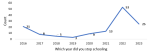
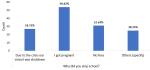
Prevalence of adolescent motherhood: overall adolescent motherhood prevalence was 21.6% (95% CI: 18.5-25.0%; n = 131/606). Marked district-level variation was observed: Bamenda recorded the highest prevalence (37.7%), followed by Mamfe (14.7%) and Buea (7.3%) (p < 0.001). Adolescent motherhood increased significantly with age, rising from 13.3% in the 15-16 age group to 32.5% in the 17-19 age group (p < 0.001). No pregnancies were reported in the 10-12 age group in the structured prevalence analysis. The previously reported minimum age at first pregnancy of 8 years (mean age 16.07, SD = 1.65) was derived from self-reported continuous age data; while this figure is reported in the sexual behaviour section (Table 3), it should be interpreted cautiously given the potential for reporting inaccuracies for extreme values in this age range. Marital status was significantly associated with adolescent motherhood: 84.0% of those in cohabiting relationships and 79.4% of married adolescents reported prior pregnancy, compared to 15.0% of single adolescents (p < 0.001). Educational attainment was also significantly associated: the highest prevalence was observed among those who had completed high school only (36.0%) and the lowest among those with completed primary education (16.2%) (p = 0.004). Muslim adolescents had the highest prevalence (57.6%), while Pentecostals had the lowest (15.2%) (p < 0.001). Occupational status showed the highest prevalence among housewives (86.7%), farmers (70.0%), and businesswomen (67.7%), with students recording the lowest rate (8.2%) (p < 0.001). Contraceptive use was low overall (21.6%), and pregnancy was the leading self-reported reason for school dropout among girls who had left school (39.4%) (Figure 1 and Figure 2; Table 4).
Factors associated with GBV awareness: in multivariable logistic regression, experience of sexual harassment was the strongest independent predictor of GBV awareness (aOR: 4.97, 95% CI: 3.30-7.56; p < 0.001). Current sexual activity was also independently associated with higher GBV awareness (aOR: 2.74, 95% CI: 1.23-6.16; p = 0.014), as was prior pregnancy (aOR: 2.16, 95% CI: 1.13-4.19; p = 0.021), and paternal primary education compared to paternal high school education (aOR: 2.00, 95% CI: 1.01-4.02; p = 0.048), and paternal secondary education (aOR: 2.37, 95% CI: 1.16-4.93; p = 0.019). Conversely, health district was independently associated with lower GBV awareness: girls in Buea (aOR: 0.44, 95% CI: 0.25-0.76; p = 0.004) and Mamfe (aOR: 0.39, 95% CI: 0.19-0.79; p = 0.009) were less likely to report GBV awareness compared to Bamenda. Paternal university-level education was also independently associated with lower GBV awareness (aOR: 0.36, 95% CI: 0.18-0.72; p = 0.004). Longer duration of residence in conflict-affected areas was independently associated with lower GBV awareness (aOR: 0.92, 9% CI: 0.86-0.99; p = 0.017). The Hosmer-Lemeshow goodness-of-fit test indicated acceptable model fit (p > 0.05). Crude and adjusted odds ratios are presented in Table 5.
This study aimed to determine the prevalence of adolescent motherhood and identify factors independently associated with GBV awareness among 606 adolescent girls in three conflict-affected health districts of Cameroon. The key findings were: (i) an overall adolescent motherhood prevalence of 21.6%, with marked district-level variation ranging from 37.7% in Bamenda to 7.3% in Buea; (ii) significant bivariate associations between adolescent motherhood and marital status, age, educational attainment, religious affiliation, and occupational status; and (iii) GBV awareness being predominantly driven by direct personal experience specifically, sexual harassment, sexual activity, and prior pregnancy-rather than proactive education or sensitization, with longer conflict-area residence independently associated with lower awareness.
The observed prevalence of 21.6% is consistent with national estimates for Cameroon (14.2% average, with regional variation between 2.8% and 26.5%) [9] and aligns with UNICEF estimates indicating that approximately 25% of women under 18 in SSA give birth before age 18 [3]. The substantially higher prevalence in Bamenda (37.7%) compared to Buea (7.3%) likely reflects the differential impact of the Anglophone conflict, which has been most intense in the Northwest region, causing prolonged displacement, school closures, and disruption of reproductive health services [18-32]. Similar findings have been reported by the Cameroon Ministry of Public Health [33] and WHO [34], underscoring the link between armed conflict and elevated adolescent pregnancy rates.
Marital status was the strongest socio-demographic determinant of adolescent motherhood, with 84.0% of cohabiting and 79.4% of married adolescents reporting prior pregnancy, compared to 15.0% of single adolescents. This finding is consistent with research from the WHO Eastern Mediterranean Region identifying early marriage as a primary driver of adolescent childbearing [32]. The significant association between age and adolescent motherhood, rising from 13.3% at 15-16 years to 32.5% at 17-19 years, aligns with global trends and findings from Bangladesh [31], emphasising that risk accumulates with age and that older adolescents require targeted interventions. The protective role of higher educational attainment was similarly confirmed: girls in school (students) had the lowest prevalence of motherhood (8.2%), while those not in school had substantially higher rates, consistent with the established literature on education as a protective factor against early pregnancy [30].
With respect to GBV awareness, the finding that personal experience, particularly sexual harassment (aOR: 4.97), current sexual activity (aOR: 2.74), and prior pregnancy (aOR: 2.16), where the strongest independent predictors suggests that awareness is predominantly reactive rather than proactive. This reflects a critical gap in preventive GBV programming: adolescent girls in these settings are becoming aware of GBV primarily through victimisation or high-risk experiences, rather than through structured education or sensitisation programs. This interpretation should be understood within the limitations of a cross-sectional design, which precludes causal inference. The inverse association between longer conflict-area residence and GBV awareness (aOR: 0.92) may reflect habituation, normalisation of violence, or cumulative erosion of community protective structures over time, though longitudinal data would be needed to confirm this. The inverse association between paternal university-level education and GBV awareness, while counterintuitive, may reflect reduced household discussions of GBV in more formally educated households, or different information-seeking behaviours, as has been noted in other contexts [35-37]. These findings collectively underscore the need for structured, proactive GBV education programs that do not rely solely on lived experience as the vehicle for awareness.
The implications of these findings for policy and practice are substantial. The high prevalence of adolescent motherhood in conflict-affected districts, alongside low contraceptive use (21.6%), calls for strengthened access to reproductive health services, including contraception integrated within humanitarian response frameworks. School retention programs for adolescent girls, particularly in Bamenda and other high-conflict areas, are warranted, given that pregnancy was the leading reported reason for school dropout. Community-based GBV sensitisation and education programs should be prioritised, with specific attention to reaching single adolescents and those in conflict-affected areas who show lower baseline GBV awareness. Engaging community and religious leaders, leveraging media platforms, and partnering with NGOs are strategies with demonstrated effectiveness in similar settings [38-40].
This study has several limitations that must be considered when interpreting findings. The cross-sectional design restricts causal inference, and the temporal relationship between conflict exposure and outcomes cannot be established. Social desirability and recall bias may have affected responses, particularly for sensitive questions on sexual activity, pregnancy, and GBV, potentially leading to underreporting. The extreme minimum age at first pregnancy (8 years) reported in the sexual behaviour data could not be independently validated and should be interpreted with caution. The sampling strategy, while multistage and cluster-based, may not fully account for differences in population structure between school-enrolled and community-residing adolescents; the absence of weighting to adjust for these differences represents a potential source of selection bias. Key confounders including displacement status, household socio-economic status, and access to healthcare were not directly measured, which limits the completeness of the adjusted models. The inclusion of variables at p < 0.20 in multivariable modelling is a pragmatic but acknowledged approach to variable selection; future studies should consider theory-driven model specification and sensitivity analyses. The findings may not generalise to non-conflict-affected regions of Cameroon or to other conflict settings. Strengths of the study include the relatively large sample size (n = 606), multistage cluster sampling across three districts, multivariable analytical approach, use of standardised and piloted instruments, and the focus on an understudied conflict-affected population.
This study documented an adolescent motherhood prevalence of 21.6% across three conflict-affected health districts in Cameroon, with marked district-level variation (Bamenda: 37.7%; Mamfe: 14.7%; Buea: 7.3%). Marital status, age, educational attainment, religious affiliation, and occupational status were each significantly associated with adolescent motherhood. GBV awareness was independently associated with direct personal experience of sexual harassment, sexual activity, and prior pregnancy, while longer conflict-area residence and paternal university education were inversely associated with awareness. These findings highlight urgent needs for school retention programs, integrated reproductive health services, and proactive community-based GBV education in conflict-affected settings in Cameroon.
What is known about this topic
- Approximately 21 million adolescent girls aged 15-19 become pregnant annually in developing regions, with sub-Saharan Africa bearing the highest burden;
- Early marriage, low educational attainment, and poverty are established drivers of adolescent pregnancy in low- and middle-income countries;
- Armed conflict heightens adolescent girls' vulnerability to sexual violence and early pregnancy by disrupting education, displacing families, and eroding healthcare infrastructure.
What this study adds
- Adolescent motherhood prevalence reached 37.7% in Bamenda versus 7.3% in Buea, highlighting marked differential impact of conflict intensity across districts in Cameroon;
- GBV awareness was predominantly driven by direct personal experience (sexual harassment, sexual activity, prior pregnancy) rather than proactive education or sensitisation;
- Longer residence in conflict-affected areas was independently associated with lower GBV awareness (aOR: 0.92), suggesting erosion of awareness over time in crisis settings.
The authors declare no competing interests.
Conception and study design: Claude Ngwayu Nkfusai, Nelisiwe Khuzwayo, Sylvester Chidi Chima and Nkwanyana Ntombifikile Maureen. Data collection: Claude Ngwayu Nkfusai. Data analysis and interpretation: Claude Ngwayu Nkfusai, Nelisiwe Khuzwayo and NMM. Manuscript drafting: Claude Ngwayu Nkfusai. Manuscript revision: Nkwanyana Ntombifikile Maureen, Nelisiwe Khuzwayo, and Sylvester Chidi Chima. Guarantor of the study: Claude Ngwayu Nkfusai. All authors read and approved the final version of the manuscript.
Sincere gratitude goes to the College of Health Sciences tuition remission scholarship from the University of KwaZulu-Natal awarded to the first author for his PhD studies, to the dedicated research assistants, and to all study participants.
Table 1: socio-demographic characteristics of adolescent girls (aged 10-19 years) recruited from the Bamenda, Buea, and Mamfe health districts, Northwest and Southwest Cameroon, July-December 2024 (N=606)
Table 2: socio-demographic characteristics of the parents and guardians of adolescent girls aged 10-19 years recruited from the Bamenda, Buea, and Mamfe health districts, Northwest and Southwest Cameroon, July-December 2024 (N = 606)
Table 3: sexual behaviour characteristics, contraceptive use, and pregnancy history of adolescent girls aged 10-19 years, recruited from the Bamenda, Buea, and Mamfe health districts, Northwest and Southwest Cameroon, July-December 2024 (N = 606)
Table 4: prevalence of adolescent motherhood stratified by socio-demographic characteristics among adolescent girls aged 10-19 years, recruited from the Bamenda, Buea, and Mamfe health districts in the Northwest and Southwest regions of Cameroon, July-December 2024 (N = 606)
Table 5: crude and adjusted odds ratios for factors associated with GBV awareness among adolescent girls aged 10-19 years, Bamenda, Buea, and Mamfe health districts, Northwest and Southwest Cameroon, July-December 2024 (N = 606)
Figure 1: year participants left school
Figure 2: primary reason for stopping school among participants who had left school
- World Health Organization (WHO). Adolescent pregnancy: Causes and consequences. Geneva: WHO. 2021.
- United Nations Population Fund (UNFPA). Adolescent pregnancy: A global problem. New York: UNFPA. 2020.
- United Nations Children's Fund (UNICEF). Early childbearing. UNICEF. Cited April 4th 2025.
- Nkhoma DE, Lin CP, Katengeza HL, Soko CJ, Estinfort W, Wang YC et al. Girls' empowerment and adolescent pregnancy: A systematic review. Int J Environ Res Public Health. 2020;17(5):166. PubMed | Google Scholar
- United Nations. World Population Prospects: The 2017 Revision. New York: United Nations. 2017.
- Yaya S, Uthman OA, Ekholuenetale M, Bishwajit G. Socioeconomic inequalities in the incidence of early childbearing among adolescents in sub-Saharan African countries. BMC Public Health. 2019;19(1):1523.
- Kassa GM, Arowojolu AO, Odukogbe AA, Yalew AW. Prevalence and determinants of adolescent pregnancy in Africa: A systematic review and meta-analysis. Reprod Health. 2018;15(1):195. PubMed | Google Scholar
- Cameroon National Institute of Statistics. Demographic and Health Survey. Yaoundé: NIS. 2018.
- Cameroon Ministry of Public Health (MOH). National Adolescent Health Strategy. Yaoundé: MOH. 2019.
- WHO. Global health sector strategy on sexually transmitted infections, 2016-2021. Geneva: WHO. 2016.
- Grimes DA, Benson J, Singh S, Romero M, Ganatra B, Okonofua FE et al. Unsafe abortion: The preventable pandemic. Lancet. 2006;368(9550):1908-19. PubMed | Google Scholar
- UNAIDS. Global HIV & AIDS statistics - 2021 fact sheet. Geneva: UNAIDS. 2021.
- Nordstrom C. Shadows of war: Violence, power, and international profiteering in the twenty-first century. Berkeley: University of California Press. 2004. Google Scholar
- Save the Children. The war on children: Time to end grave violations against children in conflict. London: Save the Children. 2018.
- WHO. Violence against women: A 'global health problem of epidemic proportions'. Geneva: WHO. 2013.
- Galtung J. Violence, peace, and peace research. J Peace Res. 1969;6(3):167-91. Google Scholar
- Farmer PE, Nizeye B, Stulac S, Keshavjee S. Structural violence and clinical medicine. PLoS Med. 2006;3(10):e449. PubMed | Google Scholar
- International Crisis Group. Cameroon's Anglophone crisis: How to get to talks? Nairobi/Brussels: ICG. 2019. Google Scholar
- Human Rights Watch. Cameroon: Atrocities fuel Anglophone crisis. New York: HRW. 2020.
- Amnesty International. Cameroon: Civilians bear the brunt of escalating conflict in Anglophone regions. London: Amnesty International. 2020. Google Scholar
- United Nations Office for the Coordination of Humanitarian Affairs (OCHA). Cameroon humanitarian situation report. New York: OCHA. 2021.
- BBC News. Cameroon conflict: Violence against women in Anglophone regions. London: BBC. 2021.
- UNFPA. Cameroon crisis: Impact on women and girls. Yaoundé: UNFPA. 2021.
- World Bank. Special Programme of Research, Development and Research Training in Human Reproduction. Washington DC: World Bank. 2018.
- UNICEF. Cameroon humanitarian situation report. New York: UNICEF. 2021.
- World Bank. Cameroon country overview. Washington DC: World Bank. 2022.
- Institut National de la Statistique du Cameroun. Annuaire statistique du Cameroun. Yaoundé: INS. 2020.
- WHO. WHO ethical and safety recommendations for researching, documenting and monitoring sexual violence in emergencies. Geneva: WHO. 2007. Google Scholar
- Ledford H. The shifting boundaries of adolescence. Nature. 2023;619:224-7. Google Scholar
- UNICEF. State of the world's children: Children, food and nutrition. New York: UNICEF. 2019.
- Rahman MM, Saima U, Goni MA. Impact of early childbearing on child nutrition in Bangladesh. North Am J Med Sci. 2015;7(6):248-57.
- Ali MM, Cleland J, Shah IH. Causes and consequences of contraceptive discontinuation: Evidence from 60 demographic and health surveys. Geneva: WHO. 2012. Google Scholar
- Ministry of Public Health Cameroon. Annual health statistics. Yaoundé: MOH. 2022.
- WHO. Global reproductive health strategy. Geneva: WHO. 2020.
- Banyard VL, Moynihan MM, Crossman MT. Reducing sexual violence on campus: The role of student leaders as empowered bystanders. J Coll Stud Dev. 2009;50(4):446-57. Google Scholar
- Fontes LA, Plummer C. Cultural issues in disclosures of child sexual abuse. J Child Sex Abus. 2010 Sep;19(5):491-518. PubMed | Google Scholar
- Devries KM, Mak JY, García-Moreno C, Petzold M, Child JC, Falder G et al. Global health. The global prevalence of intimate partner violence against women. Science. 2013;340(6140):1527-8. PubMed | Google Scholar
- Ramirez M. GBV in conflict settings: Prevention and response. Int J Humanitarian Action. 2020;5(1):10.
- Decker MR, Kalamar A, Tunçalp Ö, Hindin MJ. Early adolescent childbearing in low- and middle-income countries: Associations with age at marriage and implications for reproductive health programs. Int J Adolesc Med Health. 2017;29(6):20150086. PubMed | Google Scholar
- Nour NM. Child marriage: A silent health and human rights issue. Rev Obstet Gynecol. 2009;2(1):51-6. PubMed | Google Scholar
Search
This article authors
On Pubmed
On Google Scholar
Citation [Download]
Navigate this article
Similar articles in
Key words
Tables and figures

Article metrics
Recently from the PAMJ




Authors´ services
