
Prevalence and factors associated with waterpipe tobacco smoking in South Africa: a scoping review
Tony Lugemwa, Satish Kedia, Coree Entwistle, Ayesha Mukhopadhyay, Shafi Bhuiyan, Kenneth Daniel Ward, Shreya Sirohi
Corresponding author: Satish Kedia, Division of Social and Behavioral Sciences, School of Public Health, University of Memphis, Memphis, Tennessee, United States of America 
Received: 08 Jan 2025 - Accepted: 31 May 2026 - Published: 17 Jun 2026
Domain: Community health,Health promotion,Public health
Keywords: Waterpipe tobacco smoking, South Africa, adolescents, young adults, social-ecological model
Funding: This work received no specific grant from any funding agency in the public, commercial, or non-profit sectors.
©Tony Lugemwa et al. Pan African Medical Journal (ISSN: 1937-8688). This is an Open Access article distributed under the terms of the Creative Commons Attribution International 4.0 License (https://creativecommons.org/licenses/by/4.0/), which permits unrestricted use, distribution, and reproduction in any medium, provided the original work is properly cited.
Cite this article: Tony Lugemwa et al. Prevalence and factors associated with waterpipe tobacco smoking in South Africa: a scoping review. Pan African Medical Journal. 2026;54:51. [doi: 10.11604/pamj.2026.54.51.46490]
Available online at: https://www.panafrican-med-journal.com//content/article/54/51/full
 PDF in process
 Systematic review 

Prevalence and factors associated with waterpipe tobacco smoking in South Africa: a scoping review
Prevalence and factors associated with waterpipe tobacco smoking in South Africa: a scoping review
Tony Lugemwa1,  Satish Kedia1,&, Coree Entwistle1, Ayesha Mukhopadhyay2, Shafi Bhuiyan1, Kenneth Daniel Ward3, Shreya Sirohi2
&Corresponding author
Waterpipe tobacco smoking (WTS) is a growing public health concern globally, with notable gaps in the literature regarding prevalence and determinants of WTS in South Africa (SA). We searched CINAHL, PsycINFO, PubMed, and Scopus databases for studies published from January 1, 2010, to January 31, 2025, and identified 11 cross-sectional surveys. The review protocol is registered in PROSPERO (CRD420261332363). The Joanna Briggs Institute critical appraisal tool was applied, and outcomes were integrated into a narrative analysis. This scoping review synthesizes evidence on the prevalence and determinants of waterpipe tobacco smoking (WTS) in South Africa, examining: i) prevalence and age of initiation; ii) substances used in and alongside the waterpipe; and iii) associated intrapersonal, interpersonal, and environmental factors. Results showed that ever-WTS prevalence was >40% among university students and >20% among high school students. WTS in the past 30 days was between 6.7% and 54%in universities, between 10.9% and 60% in high school settings, and around 25% in community settings. Waterpipe smokers are more likely to be male and to smoke cigarettes. Adding marijuana to waterpipes was reported in seven studies. Study participants smoked waterpipe out of boredom and to relax and exhibited significantly lower perceptions of the risk of WTS. Prevalence of smoking waterpipe with friends and family indicated important social factors for WTS. Though critical appraisal was low for some studies, there was sufficient evidence to conclude that prevention and cessation interventions should be tailored to address the waterpipe´s social components among young people and high-risk populations.

Smoking tobacco using a waterpipe (also known as shisha, hookah, narghile, or arghile) is a centuries-old practice that, until recently, had become so rare as to remain largely ignored in surveillance efforts and unregulated by most nations´ tobacco control policies [1,2]. However, in the 1990s, waterpipe tobacco smoking (WTS) experienced a resurgence in the Eastern Mediterranean Region (EMR), especially among youth and young adults in countries like Jordan and Syria [3-5]. The burgeoning popularity of waterpipe smoking has been attributed to the advent of flavored tobacco [6], a growing “café culture” [7], and lax tobacco control policies [7-10]. WTS has now spread worldwide and has become a public health concern [11,12]. Numerous studies have concluded that waterpipe smoking is as much a threat to human health as other forms of tobacco smoking [13-15]. Like cigarettes, WTS is associated with tobacco/nicotine dependence characteristics such as drug-seeking behavior [7,16], inability to stop smoking despite quit attempts [17], and abstinence-induced withdrawal/craving relieved by smoking [17,18]. Studies have shown that smoking waterpipe is a major risk factor for lung cancer [13,19], chronic obstructive pulmonary disease (COPD) [13,20,21], and low birth weight [14,22,23]. Additionally, WTS carries health risks specific to its mode of use, wherein people share a mouthpiece, which exposes users to communicable diseases, including herpes, tuberculosis, and oral bacterial infections [24].
South Africa (SA) is the fifth most populous country in the sub-Saharan region and provides a particularly important context for examining WTS, existing studies suggest substantial prevalence among adolescents and university students, and national tobacco control policies are under review and reform [25,26]. A 2015 World Health Organization (WHO) report on WTS showed high prevalence throughout Africa [14]. One study within the WHO report found that 60% of high school students from an economically disadvantaged community in Johannesburg reported having ever smoked waterpipe, and 20% reported smoking daily [14]. A systematic understanding of WTS prevalence and determinants in SA can inform prevention messaging, interventions, and regulatory approaches relevant to both SA and other sub-Saharan African settings as well. The recent systematic review by Bhargava et al. [16] examined waterpipe habits and correlates among youth and adolescents (10-24 years of age) in 19 countries and found that current waterpipe prevalence was 6.43% overall. The highest rates of current use were in the EMR, but the study showed that waterpipe popularity is spreading to several global regions, including Africa. However, data regarding the prevalence, burden, and correlates of waterpipe smoking vary. For example, the study evaluating Global Youth Tobacco Survey (GYTS) data by Ma et al. [11] and Bhargava et al. [16] systematic review reported a much lower prevalence in Africa, but local studies find much higher prevalence in most of Africa, and specifically in SA [27-29], which is not included in Ma et al. [11] study and only figures into one of the studies in Bhargava et al. [16] review. While there have been some studies of WTS across countries in the African continent [27,29-36], there is a dearth of focused, systematic literature on the specific prevalence and usage of waterpipe in SA.
To examine the correlates of waterpipe smoking, we have applied the framework of the Social-Ecological Model (SEM) [37], which acknowledges the interrelation of internal, interpersonal, and environmental factors [38]. Our data are organized according to a three-layer model similar to the one used by the CDC to address the public health impacts of violence [38]. All SEM models are based on the works of Bronfenbrenner, whose studies on the ecology of human development have been helpful for public health researchers [39]. While we have not located other studies that have specifically applied the SEM framework to the problem of WTS, several studies have identified factors associated with waterpipe prevalence that matched the social-ecological categories. Across studies and countries, consistent intrapersonal determinants of use include deficits in accurate knowledge and positive attitudes about waterpipe [40-44]. Two systematic reviews investigating knowledge, attitudes, and perceptions towards waterpipe tobacco smoking from five world regions reported that, in comparison to non-waterpipe smokers, current waterpipe smokers were more likely to believe that waterpipe was safer than cigarettes because toxins in the smoke were “filtered” through water [41,42] and that waterpipe is “attractive” and “relaxing” [41,45].
Interpersonal factors associated with WTS include the influence of family, peers, and siblings [34,41,46]. In Sudan, Othman et al. [47] reported that having a friend who smoked waterpipe more than doubled the likelihood of ever having smoked. Studies also show that participants were likely to smoke waterpipe if their parents smoked waterpipe [35,48]. Multiple studies have identified the communal nature and high level of social acceptability of WTS as important factors in its popularity [47,49,50]. Studies from multiple countries also indicate that waterpipe users are more likely to use cigarettes and e-cigarettes, as well as alcohol, marijuana, and illicit substances [51-53]. This scoping review aims to assemble the evidence from studies reporting prevalence data on waterpipe smoking in South Africa in accordance with three levels of the SEM to examine determinants and perceptions of WTS. Specifically, we address three questions: i) What is the prevalence and age of initiation of WTS in South Africa?; ii) What substances are used in waterpipes along with tobacco, and what substances are concurrently being used by waterpipe smokers in South Africa?; and iii) How do intrapersonal, interpersonal, and environmental factors correlate with the prevalence, reasons, perceptions, and settings for waterpipe smoking behavior? Analysis through the lens of the SEM framework is intended to provide greater insight into the correlates for WTS and demonstrate whether there are specific variables at work in SA that create unique influences for waterpipe initiation or continuation.

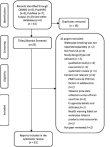
Study design: this scoping review was conducted in accordance with the preferred reporting items for systematic reviews and meta-analyses guidelines (PRISMA-ScR) [54]. The PRISMA flowchart can be seen in Figure 1, and the PRISMA-ScR checklist can be found in the supplementary material Annex 1. The protocol for this review is registered in the PROSPERO register of systematic reviews (CRD420261332363).
Search strategy: we systematically searched four electronic databases, CINAHL, PsycINFO, PubMed, and SCOPUS, for studies published between January 1 st, 2010, and January 31st, 2025. The search concluded on March 10, 2026. The lead author consulted with two reference librarians at the University of Memphis. Keyword searches for the outcome of interest targeted titles and abstracts using Boolean operators: (“Tobacco, Waterpipe” OR “shisha” OR “narghile” OR “waterpipe” OR “hookah” OR “sheesha”). The population search was specifically limited to “South Africa.” Additionally, we manually screened the reference sections of all identified articles to ensure that no eligible studies were missed. Detailed search strategies for each database are provided in the supplementary information section Annex 1.
Inclusion/Exclusion criteria: inclusion was restricted to peer-reviewed, quantitative studies published in the English language; specifically, cross-sectional, case-control, cohort, and trial designs, conducted in South Africa, that reported WTS prevalence. Conversely, several publication types were excluded, including qualitative studies, case reports, case series, reviews, editorials, and book chapters. Studies were also excluded if WTS was not differentiated from other tobacco or nicotine use.
Extraction and synthesis: two authors (Tony Lugemwa, Kenneth Daniel Ward) independently screened the abstracts and titles. If inclusion eligibility was unclear based on the abstract and title, a full-text review was conducted, and disagreements were resolved by consensus. Next, reviewers extracted data from full-text articles into a spreadsheet, collecting the following information: authors, title, journal, year of publication, target population, sample size and sampling frame, methods, whether sex, age, socioeconomic status (SES), and geographic differences were assessed, whether ethical approval was reported, outcomes, and levels of the SEM assessed. Extractions were compared and disagreements resolved through discussion. A third author was designated for further discussion if consensus could not be reached, but as the number of records assessed was relatively small, all disagreements were easily resolved. Extracted data were synthesized first by two authors, then checked and further discussed by co-authors. Two authors (Tony Lugemwa, Ayesha Mukhopadhya) compared and synthesized extracted data pertaining to prevalence, age of initiation, concurrent substance use, and smoking settings across the included study populations. Similarly, categorization and analysis of data according to the social-ecological model framework, including intrapersonal, interpersonal, and environmental factors was first conducted by two authors (Tony Lugemwa, Ayesha Mukhopadhya). These syntheses and categorization were then reviewed, further discussed, and edited by senior authors (Satish Kedia, Kenneth Daniel Ward). Interpretations were discussed among all co-authors until consensus was reached. The complete narrative synthesis of findings from the included studies was conducted and critically summarized by two authors (Tony Lugemwa, Satish Kedia), then reviewed and edited by all co-authors.
Critical appraisal: two authors (Coree Entwistle, Shreya Sirohi) performed a critical appraisal of the included studies using the Joanna Briggs Institute (JBI) tool for prevalence studies [55], which has been used in several scoping reviews [56,57]. This checklist assesses the quality of studies across nine domains, including appropriateness of the sample frame and sampling technique; adequacy of the sample size; whether the subjects and setting were described in detail; whether conducive analysis was applied for the sample; the use of valid methods to identify the condition; reliable measurements for participants; the appropriateness of statistical analysis, and whether the response rate was adequate, or adequately managed. Differences in the two authors´ assessments were resolved through discussion until consensus was achieved. As this appraisal was not used for inclusion, no studies were excluded due to the outcomes of the assessment.
Selection of evidence: a total of 41 records were retrieved from CINAHL (n=5), PsycINFO (n=5), PubMed (n=7), Scopus (n=20), and other searches (n=4). Sixteen duplicates were removed, and 25 titles and abstracts were screened. Fourteen papers were excluded for a variety of reasons. Two were excluded because waterpipe smoking was not reported separately from other types of smoking [32,58]. Three studies that were not based in South Africa were excluded [59-61]. One systematic review [62], one qualitative study [63], and one case series [64] were removed (n= 3). Four more studies (n= 4) were excluded due to study content not being relevant to the current study´s aims (e.g., examining WTS as a risk factor for other conditions [65], tobacco price data [66], e-cigarette beliefs [67], and health warning labels [10]). Finally, two studies were excluded due to not being peer-reviewed (n= 2) [68,69], resulting in a final sample of 11 studies for inclusion (Figure 1).
Designs and methods of studies: these 11 cross-sectional surveys took place in three settings: high schools (n=2) [27,34], universities (n= 6) [28,29,31,36,70,71], and community/household settings (n=3) [35,72,73]. Ten studies used anonymous or self-administered questionnaires [28,29,31,34-36,70-73]; and one study was a baseline survey preceding an education session [27].
Critical appraisal outcomes: the JBI critical appraisal checklist [55] found that five of the 11 studies described an appropriate sample frame for the targeted study population [28,29,34,31,36] and four studies did not provide a clear explanation of the sampling frame [27,35,70,71]. Five studies demonstrated appropriate sampling [28,34,36,71,72] and four did not [27,3135,70]. Seven of the studies indicated an adequate sample size [28,29,31,34-36,71] while three did not give sufficient evidence [70,72,73]. All 11 studies described the study setting in detail, and most (n = 8) conducted analysis with sufficient coverage of the intended sample [27,34-36,70,71,72,73].
Seven studies demonstrated valid methods for identifying the target condition, including all those conducted in university settings but none of the community-based ones [28,29,34,31,36,70,71]. Only three of the included studies did not define the condition they were measuring in a reliable way [27,29,72]. Similarly, three studies failed to apply an appropriate statistical analysis, including two of the three studies conducted in a community setting and one of the high-school-based studies [27,72,73]. Six studies either had an appropriate response rate, or demonstrated that they had managed their low response rate appropriately [27,34-36,70,71]; five studies did not make it clear how they managed their response rate [28,29,3172,73]. Overall, two studies showed the highest level of critical appraisal [34,36]. Three of the included studies indicated clearly positive outcomes on only three of the nine appraisal measures [27,73,74]. Studies that took place in community settings appraised lower than those in university settings (Table 1).
Participant descriptors and sampling details: though the age of study participants was not an exclusion factor for this review, the majority of studies focused on adolescents or young adults in high school or college settings. The community-based studies targeted adults in households with children. Both high school-based studies were set in Johannesburg [27,34], among participating 10th-grade students aged between 14-20 years [27] and 8th and 12th-grade students aged 12-22 years [34]. The 8th-grade cohort comprised 64% females, with 47% female in the 12th-grade cohort [34]. Three university-based studies were from the Western Cape region [28,29,70], one was in Gauteng province [71], another was in Hwiti [31], and one was in Pretoria [36]. University participants were predominantly female (52.9% to 70%) [28,29,31,36,70,71]. Two community-based studies used systematic “door-to-door” data collection [72,73] and the other used a combination of systematic door-to-door and non-systematic sampling of people from the same streets and/or communities [35]. Among the two community studies that specified age, the mean age of participants was 33 and 35 years [35,73] (Table 2).
Prevalence of waterpipe tobacco smoking: all studies, except Roman N et al. [35], provided estimates of current WTS prevalence, usually defined as WTS within the past 30 days, while five studies also reported ever WTS prevalence (Table 3) [28,29,34,31,36]. One high school-based study reported a current waterpipe prevalence of 60% [27]. The other study reported an ever WTS prevalence among grade 8 and 12 students as 25.6% and 69.8%, respectively [34]. The difference between proportions of students who had smoked a waterpipe in grade 8 (26%) and grade 12 (70%) (p<0.001; 95% CI: 1.457 - 1.759) was significant [34]. There was a notable difference in current waterpipe smoking between the two grades, with 10.9% of 8th graders and 37.1% of 12th graders reporting current use (p< 0.001) [34]. Ever-WTS prevalence in university studies was between 40% and 66% [28,29,31,36], while the current WTS prevalence was between 6.7% - 54% [28,29,31,36,70,71]. Current waterpipe prevalence in community-based studies was between 23.4% [74] and 30% [72]. Prevalence of WTS was one of the most widely reported metrics across all studies; however, sampling frames and procedures were not adequately described in several studies, particularly those in community settings [35,72,73] and one of the two high school-based studies [27], which weakens confidence in the related prevalence findings for those settings.
Age at waterpipe tobacco smoking onset: initiation of WTS typically occurred by age 17 or younger [27-29, 35,70,71-73]. Among secondary school students in Johannesburg, 50.4% of participants started smoking waterpipe between the ages of 13 and 15 years, and 27.6% between 16 and 18 years [27]. Two university studies reported waterpipe onset at 15.7 and 16.2 years of age [28,70]. However, one study found a higher onset age among older students (21-25) (Females=17.6%, Males= 26.7%; p<0.05) and those aged over 26 years (females=7.2%, Males=9.6%; p<0.05) compared to younger age groups (< 20 years) [31]. The community studies reported the first WTS between 16 and 17 years [35,72,73]. Notably, two community studies found that children between the ages of two and six were participating in waterpipe smoking in the household [35,73]. While no study inquired specifically about participants´ earliest memories of waterpipe smoking, two studies found that about 21% of participants initiated WTS when they were 12 years old or younger [27,71]. Studies in university settings had high critical appraisal scores, especially for sampling methodology and validated means of identifying conditions, and it is possible that the samples from university settings may be more representative of the nation, as opposed to a province or neighborhood. Critical appraisal for community studies was not strong; thus, onset data from community-based studies are assessed with caution. Further examination of trends in the age of onset for WTS across social and demographic categories is warranted.
Substances used in waterpipes and concurrently: in high school cohorts, Combrink et al. [27] reported that 15.4% of students smoked marijuana along with waterpipe tobacco, and 10.6% used tobacco and alcohol in the waterpipe together. Naicker et al. [34] study found that 47.2% 8th graders and 44.4% of 12th graders added alcohol to their waterpipes; while 11.2% of 8th graders and 43.8% of 12th graders added marijuana to their waterpipe blends (p-value = <0.0001). In two university studies, heavy drinkers were more likely to smoke a waterpipe compared to non-drinkers, though one found a much greater odds ratio (OR = 9.93 for WTS for 7+ drinks and OR = 12.32 for those who average 5-6 drinks; p < .01) [28], than the other (OR = 2.43; 95% CI:1.48-3.40) with 69.7% of participants having a history of waterpipe/cigarette smoking and 61.7% of participants being waterpipe smokers and problem drinkers [36].
The study by Daniels and Roman reported that 13% of participants consumed both alcohol and WTS [70]. Marijuana was added to waterpipe smoking mixtures by 10% - 59.7% of university smokers [28,29,71]. Madiba et al. [71] found that about 5% of students added alcohol to their waterpipes. Findings from community studies reported that as many as 57% of females and 60% of males added alcohol to their waterpipe, and 68% of females and 71% of males added marijuana [72]. Roman NV et al. [73] also reported a similar statistic of 58.5% participants being concurrent alcoholics and 70.1% adding marijuana to their waterpipes. Other substances used concurrently or added to the smoking mixture included mandrax, heroin, cocaine, methamphetamines, and glue [35,73]. Among the university studies, Van der Merwe et al. [29] reported that 11% of participants who smoked waterpipe also smoked cigarettes, and of those, 60% smoked cigarettes daily. Similarly, Senkubuge et al. [36] found that 69.7% of those who report WTS were also currently smoking cigarettes. Prevalence reporting from a community-based study found that 74% of males and 70% of females who smoke waterpipe were also cigarette smokers [72]. Though findings for community studies should be taken with caution, evidence for concurrent use of cigarettes and illicit substances is substantial across all studies. Strong associations between problematic drinking and concurrent use of marijuana with WTS are consistent in some of the strongest included studies [34,36,71].
Intrapersonal, interpersonal, and environmental factors associated with waterpipe tobacco smoking: all studies reported intrapersonal determinants of WTS (n=11); interpersonal factors were examined by nine studies. Environmental factors, referenced as the setting for waterpipe smoking, were reported in 10 studies (Table 4).
Intrapersonal gender differences in waterpipe tobacco smoking: in the high school-based studies, differences in uptake of WTS between genders was only found to be significant in the grade 12 cohort, which showed males as more likely to use waterpipe (p=0.04) [34]. Two of the university-based studies found elevated rates of WTS among males, with one finding higher instances of both ever and current waterpipe smoking among males between the ages of 21-25 years (26.7% and 4.6% respectively) compared to those below 20 (3.9% and 0.2%) and above 26 (9.6% and 1.9%) [31], and the other simply detecting statistically significant higher prevalence of smoking among males than females [71]. The one community-based study to investigate gender differences found that 30% of men and 25% of women currently smoked a waterpipe [72]. With the exception of Jacobs et al. [72], these findings are from methodologically strong studies.
Intrapersonal reasons for smoking: Combrink et al. [27] found that high schoolers´ reasons for smoking included: “nothing better to do” (45.5%), relaxation (27.6%), and addiction (6.5%), while 8th and 12th grader participants in Naicker et al. [34] study reported personal motivations such as: taste and smell (44.9% and 25.3%), boredom (27%, and 19.8%), wanting to relax (19.1%, and 9.9%), and “for pleasure” (10.1%, and 20.4%). University students reported that waterpipe smoking helps them relax (67% [70,71] and 33.3% [28]); other reasons include that it “gives them energy” (10.6% of males, 2.4% of females; aOR= 7.14, 95% CI (3.72>-13.70), and “helps them face difficulties” (6% of males, 2.4% of females; aOR=7.71, 95% CI (3.44-17.27)) [31]. Community-based studies did not report intrapersonal motivations. Other than Combrink et al. [27], all the included sources for this data scored acceptably in the critical appraisal. These results highlight the diverse motivations of young people for engaging in WTS.
Intrapersonal perception of waterpipe tobacco smoking: studies found that 32% of 8th graders and 52% of 12th graders were cognizant of the health impacts of waterpipe but continued to smoke regardless [34]. In contrast, Combrink et al. [27] study reported that 52.8% of high school waterpipe smokers believed that hookah is safer than cigarettes. In Van der Merwe et al. [29] university-based study, 29% of the participants reported knowledge of the adverse effects of waterpipe, and close to 33% were aware that waterpipe smoking causes illness and damages lungs. The study also found that 80% of participants considered WP smoking to be socially acceptable, with 84% of the sample recommending it to others. Conversely, in Madiba et al. [71] study, 57% of smokers understood that waterpipe was unsafe, while 14% wrongly perceived it to be safer than cigarettes. Waterpipe smokers in Daniels and Roman´s [70] study believed that the dangers of WTS were exaggerated (48%), that the toxins are filtered out by water (44%), that waterpipe smokers can easily quit (53%), that it is not harmful to share a waterpipe (34%), and that smoking an occasional cigarette is more dangerous (36%). Jacobs et al. [72] community study reported that 50% of men and 55% of women recognized the waterpipe´s addictive qualities. Roman et al. study reported that 65% of the community population was aware of the harmful effects of waterpipe [35]. Diverse findings for this theme can be interpreted in light of the critical appraisal of selected studies, acknowledging that methods and descriptions of both sampling and analysis in some of these studies are unclear [27,29,72]. Nonetheless, the more robust studies also described notable distortions in intrapersonal perceptions of WTS [34,71].
Interpersonal factors, peer influence from friends or family: grade 8 (p-value = 0.004) and grade 12 (p-value = 0.029) waterpipe smoking were significantly associated with family WTS [34], and Combrink et al. [27] found that 13.8% of students related their waterpipe smoking to peer pressure. Five out of six of the university-based studies reported rates of social smoking from 59% [29] to 92.4% [28]; Monyeki K et al. [31] found that having friends who smoke waterpipe was associated with a 7.2 times higher odds of WTS (aOR=7.2, 95% CI: 3.04-16.99). About 21% of university students reportedly smoked with family [70]. In contrast, up to 60% of participants in community-level studies, which emphasized WTS within family settings, reported family WTS, and 28% claimed that waterpipe was a means of family socializing [35]. Another similar community study found that 27.6% of participants smoked waterpipe with their families [73]. The included data for this sub-theme is consistent across acceptably strong studies, and outcomes from less robust studies lay within the parameters of more robust studies.
Environmental factors, favored settings for waterpipe smoking: most high school students (61.8%) smoked at parties [27], and 47.2% (grade 8) and 59.9% (grade 12) reported first initiating WTS at parties [34]. Smoking at home was reported by between 10.5% [34] and 38.4% [27] of high school youth. Between 8% [29] and 28% [70] of university students report smoking on campus, and students living on campus had a higher odds of WTS (aOR=3.8, 95% CI: 2.59-5.57) [31]. Other common settings were: a friend´s home (41%), one´s own home (30%), and cafes (21%) [29]. Senkubuge et al. [36] found that exposure to smoking outside the home increased the likelihood of WTS (OR=2.51,95% CI: 1.29-4.90). About 61% of university students smoked in a social setting [70], 41% [29], and 53.6% [28] at friends´ homes, and 21% [29] and <20% [28] at clubs, cafes, or other public places. Roman et al. [73] community study noted that 85.9% of participants did not smoke at home, and another study found that waterpipe is smoked predominantly at parties (72%) [35]. Data in this theme should be interpreted with caution due to the variability of quality among studies that include environmental factors. Further research into this subject is needed.
This scoping review investigated the current literature on the prevalence of waterpipe tobacco smoking in various regions of South Africa, with further examination of associated factors, including age of onset, concurrent substance and alcohol use, and the intrapersonal, interpersonal, and environmental factors associated with WTS behavior categorized along three levels of the SEM. The 11 included studies demonstrate that waterpipe smoking is a substantive public health concern in South Africa, particularly among adolescents and young adults in the Gauteng and Western Cape provinces. Demographic and prevalence trends provided evidence that males are more likely to smoke waterpipe than females. Results also found that the addition of alcohol and illicit substances such as marijuana was a common practice. Most studies collected data on intrapersonal motivations for WTS, including reasons for smoking and perceptions of WTS. Meaningful data regarding the social factors of WTS, such as family and peer interactions, also emerged from this review. Most participants first smoked a waterpipe between the ages of 15 and 18, though Combrink et al. [27] reported that 21.2% of participants first smoked a waterpipe when they were less than 12 years old. Moreover, evidence from two community studies also pointed to outlying cases of very early WTS initiation in family settings (children aged 2-6 years) [35,73]. This review´s results regarding WTS onset during the teenage years are consistent with data from 72 countries that used the GYTS in 2010-2019 and from the National Youth Tobacco Survey (NYTS) in the U.S. in 2019 [11]. Similar results were found in Bhargava´s global systematic review [16], and Salloum et al. [4] analysis of the National Adult Tobacco Survey (NATS) in the United States. These findings imply that mid-adolescence is a period of vulnerability where a confluence of factors such as familial influence, peer influence, and the perceived social appeal of the product play a crucial role in the initiation of WP smoking [74,75]. In South Africa, the evidence of early onset of WP initiation signifies that it is not merely a peer initiated behavior, but a family-normalized one, with implications for urgent public health interventions [73].
Examination of substances smoked in the waterpipe itself [27-29,34,35,71] and concurrent alcohol, cigarette, and substance use habits alongside waterpipe [28,36,72] showed a strong correlation between cigarette smoking and WTS, as well as with drinking alcohol and problematic drinking habits [28,29,35,36,72]. Multiple studies have found similar associations [6,16,76-78]. Our analysis also agrees with the growing consensus that WP smoking is associated with the use of other illicit substances, most frequently marijuana [16,79]. Between 10% and 71% of participating smokers added marijuana to their waterpipe blend, and between 5% and 60% added alcohol to the water in their pipe [27-29,34,35,71,72,73]. The admixture of marijuana with waterpipe tobacco was prevalent even in high school-based studies [27,34], implying that polydrug use through the waterpipe is not limited to community or university populations. The consistency of these findings across studies indicates that WTS is an avenue for exploration of illicit substances and that prevention measures for WTS should be tied to awareness of the risks of substance use and alcohol consumption. It should be noted that these figures may reflect the specific high-risk communities sampled rather than a generalizable pattern in South Africa [72,73].
Understanding the reasons for smoking waterpipe is critical for crafting effective prevention and cessation strategies. Among high school and university students, reported motivation for smoking included relaxation, boredom, and pleasure [27,28,34,71]. These findings agree with the global systematic and narrative reviews by Bhargava et al. [16] and Akl et al. [41] and indicate that correlated patterns of WTS are similar across the globe. Understanding that these factors are common across many regions and populations indicates that, once evidence-based prevention and cessation measures are identified, it may be possible to apply them widely. However, South African studies also document some results that diverge from the current global narrative: while the WHO [80] and Maziak et al. [12] attribute the global WTS resurgence largely to the advent of flavored tobacco and the expanding café culture, none of the South African studies reported flavored tobacco as a driver; only about 20% of participants across all studies reported smoking at a bar, club, or café [28,29]. Instead, the most popular settings for WTS onset and regular use were friends´ homes and parties [27,28,35,70,71]. These findings imply that waterpipe culture is private, domestic, and peer embedded. Discerning these factors may inform measures to address this issue as part of a comprehensive public health prevention and cessation plan.
Another element of intrapersonal influences refers to people´s perceptions of WTS and its risks. Every study that measured perceptions about WTS found that people who smoke waterpipe underestimated its health risks and maintained beliefs in unsubstantiated claims about WTS, such as the belief that it is less harmful or addictive than cigarette smoking. High school and community-based studies both found that waterpipe smokers were more likely to have limited information about the health impacts of smoking, with consistent belief among high school students that WTS was safer than cigarettes [27,72]. Among university students, as many as 90% knew that waterpipe was harmful [29], but the number who perceived it to be safer than cigarettes remained high [70,71]. This paradox corresponds with the global findings that the high prevalence of waterpipe smoking is associated with misconceptions that waterpipe smoking is less harmful than cigarette smoking [5,42-44]. Identifying effective strategies through health communication interventions to rectify these misconceptions is a priority. Previous studies on the interpersonal factors of smoking correlated with WTS highlight its social nature [41]. Our synthesis agrees, as smoking with family was reported by >20% of participants across multiple studies [29,34,35,73]. Results showing that parental WTS significantly increases the odds of a young person initiating waterpipe smoking [28,34,35] are consistent with findings from many countries [41]. WTS with friends is at least equally influential, with more than half of university participants reporting that they smoke with friends [28,29], and one study showing that those who desired to smoke with friends were 7.2 times more likely to smoke waterpipe [31].
Similar peer influence has also been found in other literature where the likelihood of smoking is increased in the presence of a friend with similar interests [41,46,47]. Intervention approaches targeting social networks over individuals, such as family-based or peer-led programs, may be effective. Data from the included studies are consistent with Bronfenbrenner's SEM [39] and suggest that determinants of WTS are reinforcing across SEM levels. For example, as WTS in South Africa takes place primarily in homes and social gatherings rather than in bars or lounges, the environmental layer of the SEM operates through family and peer networks, rather than through commercial structures. It should also be noted that intrapersonal motivations such as relaxation and boredom also occur within interpersonal contexts characterized by the waterpipe smoking habits of family and friends. In turn, interpersonal influences are embedded within environmental contexts, including family homes, friends´ homes, parties, and university campuses. Overarching misconceptions about WTS safety and filtration of smoke through water reinforce WTS influences across levels, even when individuals have access to information about the risk factors of waterpipe smoking [41,42]. This indicates that community-level approaches to prevention and cessation are warranted, in which misconceptions, family norms, and peer dynamics that normalize WTS are addressed together rather than in isolation [37]. The findings of this scoping review provide a structural image of who is smoking waterpipe in South Africa, when and where they start, what they smoke, and why. This information was previously available only in isolated studies. The results of this study offer a unique cross-level reinforcement pattern through the application of the SEM. Waterpipe smoking in certain South African regions is driven by home and peer environments rather than commercial settings, showing that the factors behind waterpipe use are not uniform across settings and that global prevention frameworks need local anchoring to be effective. This aligns with Babaie et al. [2] and Sutfin et al. [81], who promote waterpipe-specific approaches over the adaptation of broader tobacco control interventions.
Several opportunities for improvement in the quality of research in this area emerged. We acknowledge that longitudinal study designs are more helpful than cross-sectional studies in understanding time trends in WTS prevalence and causal pathways for risk factors. We agree with the analyses of other authors [2,81] that the development and use of validated measures, such as those proposed by Maziak et al. [82] would improve data quality. It would also be preferable for future studies to rely on representative samples of participants. Six studies included in this review were conducted in the Western Cape, a province with documented high rates of substance use [26], meaning that these local prevalence figures may not represent South Africa as a whole. Additionally, the global evidence for WP-specific cessation interventions remains limited, with modest support for approaches such as nicotine replacement therapy and behavioral counseling [2,83]. Results from this review necessitate future research on more cessation interventions in the context of cultural and peer-based scenarios. Intervention studies in high school and university settings should also be considered a priority, with designs that engage peer networks and family units rather than targeting individuals alone. This review has notable strengths. It was conducted following standard scoping review methodology, following PRISMA guidelines [54] and the application of the JBI critical appraisal tool [55]. However, there are limitations as well. All included studies were cross-sectional, negating the inference of temporal relationships (between risk factors and WTS). Six of the studies were conducted in the Western Cape, four in Gauteng, and one in the Limpopo province, which represent more densely populated areas of the nation and limit the generalizability of data. The risk of sampling, response, and recall bias within included studies must be acknowledged; it is plausible that findings may not be broadly applicable in other settings. The critical appraisal scores were low for four of the included studies, primarily due to insufficient description of sampling frames and statistical analysis, which presents challenges for creating a reliable synthesis of the data [27,29,72,73]. Even in light of these limitations, this study represents a meaningful contribution to the knowledge base regarding waterpipe smoking in SA.
Evidence suggests that WTS is an imminent public health concern among adolescents and young adults in several South African settings, particularly within the Western Cape and Gauteng provinces. This influence is held in place by family habits, peer norms, and social settings that conventional tobacco control tools have not been able to reach. The results imply that SA´s waterpipe culture continues to thrive due to similar factors identified in other locations: widespread social acceptability linked to the social nature of waterpipe consumption among friends and family, and extensive misinformation about the health hazards associated with waterpipe [16]. While the regional concentration of studies in the Western Cape and Gauteng provinces and reliance on cross-sectional and non-representative sampling approaches limits generalizability, there is sufficient data to suggest that specific social, cultural, and economic influences may contribute to waterpipe prevalence in South Africa. This sets the country apart from the café-culture pattern described in global WTS literature and should shape how prevention efforts are designed specifically for the nation. Tobacco control policies should explicitly cover waterpipe; health communication should target the specific belief that water filters harmful toxins (a finding that appeared in every study that measured risk perceptions); and intervention research should engage families and peer groups rather than individuals, because that is where the behavior takes root. Addressing WTS will require collaborative efforts between public health agencies, communities, and households where this behavior is perpetuated. The complete absence of cessation research in this literature is itself an opportunity to research more in this arena.
What is known about this topic
- Waterpipe is highly addictive and carries the same health risks as other types of smoking, with additional problems associated with shared smoking paraphernalia;
- Rates of waterpipe smoking remain high globally, especially in low- and middle-income countries like South Africa;
- The increasing use of waterpipe is attributed to the advent of flavored tobacco, growing café culture, and lax tobacco control policies.
What this study adds
- This article synthesizes data on the prevalence and associated determinants of waterpipe smoking across multiple South African settings (predominantly Western Cape and Gauteng provinces);
- The onset of waterpipe smoking in South Africa occurs at a young age (adolescence) with significant influence from family and peers;
- Smoking waterpipe is associated with concurrent use of cigarettes, alcohol, and illicit substances like marijuana;social support for waterpipe smoking from family and friends contributes to it’s widespread continuation.
The authors declares no competing interest.
Conceptualization: Tony Lugemwa, Satish Kedia, Kenneth Daniel Ward. Data curation: Tony Lugemwa, Coree Entwistle, Ayesha Mukhopadhyay, Kenneth Daniel Ward. Formal analysis: Tony Lugemwa, Satish Kedia, Coree Entwistle, Ayesha Mukhopadhyay, Kenneth Daniel Ward, Shreya Sirohi. Investigation: Tony Lugemwa, Ayesha Mukhopadhyay. Methodology: Tony Lugemwa, Satish Kedia, Ayesha Mukhopadhyay, Shafi Bhuiyan, Kenneth Daniel Ward. Project administration: Satish Kedia; Supervision: Satish Kedia, Shafi Bhuiyan, Kenneth Daniel Ward. Validation: Satish Kedia, Coree Entwistle, Shreya Sirohi. Visualization: Tony Lugemwa, Ayesha Mukhopadhyay, Shreya Sirohi. Writing- original draft: Tony Lugemwa, Satish Kedia, Coree Entwistle, Ayesha Mukhopadhyay, Shafi Bhuiyan, Kenneth Daniel Ward, Shreya Sirohi. Writing- review and editing: Tony Lugemwa, Satish Kedia, Coree Entwistle, Ayesha Mukhopadhyay, Shafi Bhuiyan, Kenneth Daniel Ward, Shreya Sirohi. All authors have read and approved the final version of this manuscript.
Authors are grateful to their home institutions for supporting these efforts.
Table 1: critical Appraisal (JBI) for included studies in prevalence and factors associated with waterpipe tobacco smoking in South Africa: a scoping review
Table 2: study characteristics of included papers on WTS in South Africa, including, setting, sample, design, and response rate (n=11)
Table 3: waterpipe prevalence, age of onset, admixture and concurrent substances used as reported in studies on waterpipe smoking in South Africa included in the scoping review (n=11)
Table 4: social-ecological factors reported in studies on waterpipe smoking in South Africa included in the scoping review (n=11)
Figure 1: prisma flow diagram of study search and selection process for scoping review on waterpipe smoking in South Africa
Annex 1: supplementary materials (PDF - 186KB)
- Ward KD. The waterpipe: an emerging global epidemic in need of action. Tob Control. 2015 Mar;24 Suppl 1(Suppl 1):i1-i2. PubMed | Google Scholar
- Babaie J, Ahmadi A, Abdollahi G, Doshmangir L. Preventing and controlling water pipe smoking: a systematic review of management interventions. BMC Public Health. 2021;21(1):344. PubMed | Google Scholar
- Rastam S, Ward KD, Eissenberg T, Maziak W. Estimating the beginning of the waterpipe epidemic in Syria. BMC Public Health. 2004 Aug 4:4:32. PubMed | Google Scholar
- Salloum RG, Thrasher JF, Kates FR, Maziak W. Water pipe tobacco smoking in the United States: Findings from the National Adult Tobacco Survey. Prev Med. 2015;71:88-93. PubMed | Google Scholar
- Maziak W, Eissenberg T, Rastam S, Hammal F, Asfar T, Bachir ME et al. Beliefs and attitudes related to narghile (waterpipe) smoking among university students in Syria. Ann Epidemiol. 2004 Oct;14(9):646-54. PubMed | Google Scholar
- Salloum RG, Nakkash R, Abu-Rmeileh NME, Hamadeh RR, Darawad MW, Kheirallah KA et al. Individual-level determinants of waterpipe smoking demand in four Eastern-Mediterranean countries. Health Promot Int. 2019 Dec 1;34(6):1157-1166. PubMed | Google Scholar
- Maziak W, Nakkash R, Bahelah R, Husseini A, Fanous N, Eissenberg T. Tobacco in the Arab world: old and new epidemics amidst policy paralysis. Health Policy Plan. 2014 Sep;29(6):784-94. PubMed | Google Scholar
- Burki TK. Tobacco control in Jordan. Lancet Respir Med. 2019;7(5):386. PubMed | Google Scholar
- Jawad M, Kadi LE, Mugharbil S, Nakkash R. Waterpipe tobacco smoking legislation and policy enactment: a global analysis. Tob Control. 2015 Mar;24 Suppl 1(Suppl 1):i60-i65. PubMed | Google Scholar
- Nakkash R, Khalil J. Health warning labelling practices on narghile (shisha, hookah) waterpipe tobacco products and related accessories. Tob Control. 2010 Jun;19(3):235-9. PubMed | Google Scholar
- Ma C, Yang H, Zhao M, Magnussen CG, Xi B. Prevalence of waterpipe smoking and its associated factors among adolescents aged 12-16 years in 73 countries/territories. Front Public Health. 2022 Nov 17:10:1052519. PubMed | Google Scholar
- Maziak W, Taleb ZB, Bahelah R, Islam F, Jaber R, Auf R et al. The global epidemiology of waterpipe smoking. Tob Control. 2015 Mar;24 Suppl 1(Suppl 1):i3-i12. PubMed | Google Scholar
- Darawshy F, Abu Rmeileh A, Kuint R, Berkman N. Waterpipe smoking: a review of pulmonary and health effects. Eur Respir Rev. 2021 May 11;30(160):200374. PubMed | Google Scholar
- World Health Organization. Advisory note: waterpipe tobacco smoking: health effects, research needs and recommended actions by regulators, 2nd edition. WHO;Geneva, Switzerland. 2015. Google Scholar
- Akl EA, Gaddam S, Gunukula SK, Honeine R, Jaoude PA, Irani J. The effects of waterpipe tobacco smoking on health outcomes: a systematic review. Int J Epidemiol. 2010 Jun;39(3):834-57. PubMed | Google Scholar
- Bhargava SS, Das S, Priya H, Mishra D, Shivabasappa S, Sood A et al. The Burden and Correlates of Waterpipe (Hookah) Smoking among Adolescents and Youth: A Systematic Review. Subst Use Misuse. 2024;59(1):29-40. PubMed | Google Scholar
- Bahelah R, DiFranza JR, Fouad FM, Ward KD, Eissenberg T, Maziak W. Early symptoms of nicotine dependence among adolescent waterpipe smokers. Tob Control. 2016 Dec;25(e2):e127-e134 PubMed | Google Scholar
- Maziak W, Rastam S, Shihadeh AL, Bazzi A, Ibrahim I, Zaatari GS et al. Nicotine exposure in daily waterpipe smokers and its relation to puff topography. Addict Behav. 2011 Apr;36(4):397-9. PubMed | Google Scholar
- Koul PA, Hajni MR, Sheikh MA, Khan UH, Shah A, Khan Y et al. Hookah smoking and lung cancer in the Kashmir valley of the Indian subcontinent. Asian Pac J Cancer Prev. 2011;12(2):519-24. PubMed | Google Scholar
- Tageldin MA, Nafti S, Khan JA, Nejjari C, Beji M, Mahboub B et al. Distribution of COPD-related symptoms in the Middle East and North Africa: results of the BREATHE study. Respir Med. 2012 Dec:106 Suppl 2:S25-32. PubMed | Google Scholar
- Waked M, Khayat G, Salameh P. Chronic obstructive pulmonary disease prevalence in Lebanon: a cross-sectional descriptive study. Clin Epidemiol. 2011:3:315-23. PubMed | Google Scholar
- Nuwayhid IA, Yamout B, Azar G, Kambris MAK. Narghile (hubble-bubble) smoking, low birth weight, and other pregnancy outcomess. Am J Epidemiol. 1998;148(4):375-383. PubMed | Google Scholar
- Tamim H, Yunis K, Chemaitelly H, Alameh M, Nassar A, National Collaborative Perinatal Neonatal Network Beirut L. Effect of narghile and cigarette smoking on newborn birthweight. BJOG. 2008 Jan;115(1):91-7. PubMed | Google Scholar
- Jukema JB, Bagnasco DE, Jukema RA. Waterpipe smoking: not necessarily less hazardous than cigarette smoking. Neth Heart J. 2014 Mar;22(3):91-9. PubMed | Google Scholar
- World Bank Group.World Bank Open Data. Accessed 12 June 2026.
- Zatoński MZ, Egbe CO, Robertson L, Gilmore A. Framing the policy debate over tobacco control legislation and tobacco taxation in South Africa. Tob Control. 2023 Jul;32(4):450-457. PubMed | Google Scholar
- Combrink A, Irwin N, Laudin G, Naidoo K, Plagerson S, Mathee A. High prevalence of hookah smoking among secondary school students in a disadvantaged community in Johannesburg. S Afr Med J. 2010 May 4;100(5):297-9. PubMed | Google Scholar
- Kruger L, van Walbeek C, Vellios N. Waterpipe and Cigarette Smoking among University Students in the Western Cape, South Africa. Am J Health Behav. 2016 Jul;40(4):416-26. PubMed | Google Scholar
- Van Der Merwe N, Banoobhai T, Gqweta A, Gwala A, Masiea T, Misra M et al. Hookah pipe smoking among health sciences students. S Afr Med J. 2013 Sep 30;103(11):847-9. PubMed | Google Scholar
- Aanyu C, Kadobera D, Apolot RR, Kisakye AN, Nsubuga P, Bazeyo W et al. Prevalence, knowledge and practices of shisha smoking among youth in Kampala City, Uganda. Pan Afr Med J. 2019 Feb 5:32:61. PubMed | Google Scholar
- Daniel Monyeki K, James Siweya H, Johanna Makgae P. The Use of Waterpipe Tobacco Products and Its Associated Risk Factors among University of Limpopo Students, South Africa. Lifestyle-Related Diseases and Metabolic Syndrome. IntechOpen. 2022. Google Scholar
- Egbe CO, Gwambe S, Londani M, Erinoso O, Ayo-Yusuf OA. Trends in the use and dual use of factory-made combustible cigarettes, other tobacco products and electronic cigarettes: Results from South African Social Attitudes Surveys during 2007 to 2018. Tob Induc Dis. 2023 Jul 17:21:94. PubMed | Google Scholar
- Lasebikan VO, Ola BA, Lasebikan TO. Shisha smoking in selected nightclubs in Nigeria. Pan Afr Med J. 2019 Jun 24:33:136. PubMed | Google Scholar
- Naicker N, Teare J, Albers P, Mathee A. Prevalence of hookah pipe smoking in high-school learners in Johannesburg, South Africa. S Afr Med J. 2020 May 29;110(6):546-551. PubMed | Google Scholar
- Roman N, Rich E, Davids C, Benjamin F, Taylor M. Family functioning and satisfaction: a comparative study between hookah users and non-users. Afr J Prim Health Care Fam Med. 2019 Nov 12;11(1):e1-e6. PubMed | Google Scholar
- Senkubuge F, Ayo-Yusuf OA, Louwagie GMC, Okuyemi KS. Water pipe and smokeless tobacco use among medical students in South Africa. Nicotine Tob Res. 2012 Jun;14(6):755-60. PubMed | Google Scholar
- Stokols D. Translating social ecological theory into guidelines for community health promotion. Am J Health Promot. 1996 Mar-Apr;10(4):282-98. PubMed | Google Scholar
- Dahlberg L, Krug E. The Social-Ecological Model: A Framework for Prevention. CDC. 2022. Google Scholar
- Bronfenbrenner U. The Ecology of Human Development: Experiments by Nature and Design. Harvard university press; 1979. Google Scholar
- Akl EA, Jawad M, Lam WY, Co CN, Obeid R, Irani J. Motives, beliefs and attitudes towards waterpipe tobacco smoking: a systematic review. Harm Reduct J. 2013 Jul 2:10:12. PubMed | Google Scholar
- Akl EA, Ward KD, Bteddini D, Khaliel R, Alexander AC, Lotfi T et al. The allure of the waterpipe: a narrative review of factors affecting the epidemic rise in waterpipe smoking among young persons globally. Tob Control. 2015 Mar;24 Suppl 1(Suppl 1):i13-i21. PubMed | Google Scholar
- Arshad A, Matharoo J, Arshad E, Sadhra SS, Norton-Wangford R, Jawad M. Knowledge, attitudes, and perceptions towards waterpipe tobacco smoking amongst college or university students: a systematic review. BMC Public Health. 2019 Apr 27;19(1):439. PubMed | Google Scholar
- Martinasek MP, Haddad LG, Wheldon CW, Barnett TE. Beliefs and Attitudes Associated With Hookah Smoking Among a United States College Population. Respir Care. 2017 Mar;62(3):370-379. PubMed | Google Scholar
- Niazi A-R, Shayan NA, Ozgur S, Joya SA, Ozcebe H. Waterpipe Smoking among Herat University Students: Prevalence, Attitudes, and Associated Factors. Addict Health. 2020 Oct;12(4):235-243. PubMed | Google Scholar
- Barnett TE, Shensa A, Kim KH, Cook RL, Nuzzo E, Primack BA. The predictive utility of attitudes toward hookah tobacco smoking. Am J Health Behav. 2013 Jul;37(4):433-9. PubMed | Google Scholar
- Omotehinwa OJ, Japheths O, Damascene IJ, Habtu M. Shisha use among students in a private university in Kigali city, Rwanda: prevalence and associated factors. BMC Public Health. 2018 Jun 8;18(1):713. PubMed | Google Scholar
- Othman M, Aghamohammadi N, Nik Farid ND. Determinants of shisha use among secondary school students in Sudan. BMC Public Health. 2019 Oct 28;19(1):1390. PubMed | Google Scholar
- Dadipoor S, Kok G, Aghamolaei T, Ghaffari M, Heyrani A, Ghanbarnezhad A. Explaining the determinants of hookah consumption among women in southern Iran: a qualitative study. BMC Public Health. 2019 Dec 10;19(1):1655. PubMed | Google Scholar
- Filippidis FT, Jawad M, Vardavas CI. Trends and Correlates of Waterpipe use in the European Union: Analysis of Selected Eurobarometer Surveys (2009-2017). Nicotine Tob Res. 2019 Mar 30;21(4):469-474. PubMed | Google Scholar
- Jallow IK, Britton J, Langley T. Prevalence and determinants of tobacco use among young people in The Gambia. BMJ Glob Health. 2017 Dec 28;2(4):e000482. PubMed | Google Scholar
- Cho H-J, Dutra LM, Glantz SA. Differences in Adolescent E-cigarette and Cigarette Prevalence in Two Policy Environments: South Korea and the United States. Nicotine Tob Res. 2018 Jul 9;20(8):949-953. PubMed | Google Scholar
- Parimah F, Davour MJ, Tetteh C, Okyere-Twum E. Shisha Use Is Associated with Deviance among High School Students in Accra, Ghana. J Psychoactive Drugs. 2022 Jan-Mar;54(1):54-60. PubMed | Google Scholar
- Abudayyeh HS, Glasser AM, Johnson AL, Cohn AM, Wagener TL, Mays D et al. Social and substance use correlates of adult hookah use, 2016. Addict Behav. 2018 Apr:79:39-44. PubMed | Google Scholar
- Tricco AC, Lillie E, Zarin W, O´Brien KK, Colquhoun H, Levac D et al. PRISMA Extension for Scoping Reviews (PRISMA-ScR): Checklist and Explanation. Ann Intern Med. 2018 Oct 2;169(7):467-473. PubMed | Google Scholar
- Munn Z, Moola S, Lisy K, Riitano D, Tufanaru C. Chapter 5: Systematic reviews of prevalence and incidence. In: JBI Manual for Evidence Synthesis. JBI. 2020.
- Saha S, Chowdhury D, Wadhwa M, Sarkar R, Raval D, Patel I et al. Impact of migraine on productivity and efficiency among adult population in India: a scoping review. J Headache Pain. 2025 Aug 6;26(1):180. PubMed | Google Scholar
- Johnson RH, Pitt H, Randle M, Thomas SL. A scoping review of the individual, socio-cultural, environmental and commercial determinants of gambling for older adults: implications for public health research and harm prevention. BMC Public Health. 2023 Feb 20;23(1):362. PubMed | Google Scholar
- Kali K, Ayo-Yusuf O. A decomposition analysis of sociodemographic factors and non-cigarette tobacco use as contributors to the change in smoking rates in South Africa between 2017/18 and 2021. S Afr Med J. 2024 Jun 24;114(6b):e1535. PubMed | Google Scholar
- Adu AA, Ismail N, Noor SMd. How impulsivity influences Nigerian youth´s waterpipe tobacco smoking behavior? Investigating the moderating role of denormalization of waterpipe tobacco in online newspapers. InThe Psychology and Neuroscience of Impulsivity 2024 Jan 1 (pp. 95-116). Academic Press. Google Scholar
- Einarsdóttir J, Baldé A, Jandi Z, Boiro H, Gunnlaugsson G. Prevalence of and influential factors for waterpipe smoking among school-attending adolescents in Bissau, Guinea-Bissau. Adolescents. 2024 Mar 6;4(1):138-57. Google Scholar
- Pokothoane R, Agerfa TG, Miderho CC, Mdege ND. Prevalence and determinants of tobacco use among school-going adolescents in 53 African countries: evidence from the Global Youth Tobacco Survey. Addict Behav Rep. 2025 Jan 2:21:100581. PubMed | Google Scholar
- Ebrahim J, Adams J, Demant D. Substance use among young people in sub-Saharan Africa: a systematic review and meta-analysis. Front Psychiatry. 2024 Sep 11:15:1328318. PubMed | Google Scholar
- Kader Z, Crutzen R, Roman NV. Adolescent hookah pipe use: Comparing users´ and non-users´ harm perception, needs, and motivation. J Psychol Afr. 2022 Mar 4;32(2):174-9. Google Scholar
- Moodley T, Mannaru KT, Hugo A, Lines JA, Van der Merwe JM, Ramparsad N et al. Secondary polycythaemia with elevated carbon monoxide levels due to hookah pipe smoking: A public health concern. S Afr Med J. 2021 Oct 5;111(10):938-941. PubMed | Google Scholar
- Greybe L, Barnabas S, Cotton M, Rose P, Rabie H, Frigati L. Cardiometabolic Risk Profiles of Adolescents Living With Perinatally Acquired HIV in South Africa. Pediatr Infect Dis J. 2024 Jul 1;43(7):669-674. PubMed | Google Scholar
- van der Zee K, Mthembu S. Description of the African Cigarette Prices Project Data. Data Brief. 2024 Apr 18:54:110434. PubMed | Google Scholar
- Agaku IT, Egbe CO, Ayo-Yusuf OA. E-cigarette advertising exposure among South African adults in 2017: findings from a nationally representative cross-sectional survey. BMJ Open. 2021 Aug 16;11(8):e048462. PubMed | Google Scholar
- Roman NV, Davids EL, Sonn I. Child in Africa: Opportunities and Challenge. Accessed 12 March 2026.
- Kader Z, Crutzen R, Roman NV. Family matters: The role of family in adolescent hookah pipe use and satisfaction of basic psychological needs. In: Child in Africa: Opportunities and Challenges. 2021;Jan 1 (pp. 267-296). Google Scholar
- Daniels KE, Roman NV. A descriptive study of the perceptions and behaviors of waterpipe use by university students in the Western Cape, South Africa. Tob Induc Dis. 2013 Feb 8;11(1):4. PubMed | Google Scholar
- Madiba TK, Nkambule NR, Bhayat A. Knowledge, attitude and practices of water pipe and e-cigarette smoking among undergraduate dental and oral hygiene students at a South African university. AJPHES. 2018 Dec 1;24(4):627-37. Google Scholar
- Jacobs L, Roman NV, Schenk C. Gender Performativity and Addiction within the Family: Focus on the Hookah. 2015 Dec 1;13(2):6753-9. Google Scholar
- Roman NV, Schenck C, Jacobs L, September SJ. Hookah use: could families be a risk factor for future addiction? J Child Adolesc Subst Abuse. 2017 Jan 2;26(1):11-7. Google Scholar
- Baheiraei A, Shahbazi Sighaldeh S, Ebadi A, Kelishadi R, Majdzadeh R. The Role of Family on Hookah Smoking Initiation in Women: a qualitative study. Glob J Health Sci. 2015 Feb 24;7(5):1-10. PubMed | Google Scholar
- Kader Z, Crutzen R, Roman NV. Adolescent Hookah Pipe Use: Exploring the Role of Basic Psychological Needs and Motivation. J Humanist Psychol. 2025 Sep;65(5):1061-87. Google Scholar
- Hanewinkel R, Morgenstern M, Sargent JD, Goecke M, Isensee B. Waterpipe smoking and subsequent cigarette and e-cigarette use: a cohort study. ERJ Open Res. 2021 Sep 27;7(3):00371-2021. PubMed | Google Scholar
- Kheirallah KA, Alsulaiman JW, Mohammad H. A-S, Alzyoud S, Veeranki SP, Ward KD. Waterpipe Tobacco Smoking among Arab Youth; a Cross-Country Study. Ethn Dis. 2016 Jan 21;26(1):107-12. PubMed | Google Scholar
- Nasser AMA, Geng Y, Al-Wesabi SA. The Prevalence of Smoking (Cigarette and Waterpipe) among University Students in Some Arab Countries: A Systematic Review. Asian Pac J Cancer Prev. 2020 Mar 1;21(3):583-591. PubMed | Google Scholar
- García-Couceiro N, Isorna M, Braña T, Varela J, Gandoy-Crego M, Rial A. Waterpipe use among adolescents. Possible implications and related variables. Adicciones. 2023 Dec 1;35(4):445-454 PubMed | Google Scholar
- World Health Organazation. WHO study group on tobacco product regulation. Accessed 27 March 2026.
- Sutfin EL, McKelvey K, Soule E, Glasser A, Kim H, Wiseman KD et al. Measuring waterpipe tobacco smoking in survey research. Tob Control. 2020 Sep;29(5):593-600. PubMed | Google Scholar
- Maziak W, Ben Taleb Z, Jawad M, Afifi R, Nakkash R, Akl EA et al. Consensus statement on assessment of waterpipe smoking in epidemiological studies. Tob Control. 2017 May;26(3):338-343. PubMed | Google Scholar
- Asfar T, Livingstone-Banks J, Ward KD, Eissenberg T, Oluwole O, Bursac Z et al. Interventions for waterpipe smoking cessation. Cochrane Database Syst Rev. 2007 Oct 17:(4):CD005549. PubMed | Google Scholar
Search
This article authors
On Pubmed
On Google Scholar
Citation [Download]
Navigate this article
Similar articles in
Key words
Tables and figures

Article metrics
Recently from the PAMJ





Authors´ services
