Cinacalcet versus etelcalcetide for secondary hyperparathyroidism in dialysis patients: a systematic review and meta-analysisy
Alaa Alem, Ahlam Elbadri, Israa Gismelseed, Manal Bakhet, Nour Ahmed
Corresponding author: Alaa Alem, Department of Medicine, College of Medicine, Taibah University, Medina 42353, Saudi Arabia 
Received: 23 Mar 2025 - Accepted: 03 Jul 2026 - Published: 26 Aug 2026
Domain: Nephrology
Keywords: Hyperparathyroidism, renal dialysis, cinacalcet, calcimimetic agents, meta-analysis, parathyroid hormone, calcium, phosphorus
Funding: This work received no specific grant from any funding agency in the public, commercial, or non-profit sectors.
©Alaa Alem et al. Pan African Medical Journal (ISSN: 1937-8688). This is an Open Access article distributed under the terms of the Creative Commons Attribution International 4.0 License (https://creativecommons.org/licenses/by/4.0/), which permits unrestricted use, distribution, and reproduction in any medium, provided the original work is properly cited.
Cite this article: Alaa Alem et al. Cinacalcet versus etelcalcetide for secondary hyperparathyroidism in dialysis patients: a systematic review and meta-analysisy. Pan African Medical Journal. 2026;54:140. [doi: 10.11604/pamj.2026.54.140.47348]
Available online at: https://www.panafrican-med-journal.com//content/article/54/140/full
 PDF in process
 Review 

Cinacalcet versus etelcalcetide for secondary hyperparathyroidism in dialysis patients: a systematic review and meta-analysisy
Cinacalcet versus etelcalcetide for secondary hyperparathyroidism in dialysis patients: a systematic review and meta-analysis
 Alaa Alem1,2,&, Ahlam Elbadri2, Israa Gismelseed2, Manal Bakhet2, Nour Ahmed2
&Corresponding author
Secondary hyperparathyroidism (SHPT) is a frequent complication in dialysis patients arising from disrupted calcium-phosphate metabolism. While calcimimetics offer alternatives to traditional treatments, comparative effectiveness data between cinacalcet and etelcalcetide remain limited. This study aimed to systematically compare their efficacy and safety in managing SHPT in adult dialysis patients. A systematic review and meta-analysis were conducted following PRISMA guidelines. PubMed, Embase, Scopus, Web of Science, and Cochrane Library were searched through August 2024. Eligible studies included randomised controlled trials of adult dialysis patients with SHPT receiving cinacalcet or etelcalcetide. Primary outcomes were PTH reduction, calcium and phosphorus changes, and adverse events. Data were analysed using Review Manager 5.4 with random-effects models. From 2,623 identified records, 33 studies met inclusion criteria (26 contributing to meta-analysis). The cinacalcet group included 6,587 patients versus 4,876 controls; etelcalcetide included 1,150 patients versus 1,055 controls. Both agents achieved >30% PTH reduction (cinacalcet: RR 3.36, 95% CI: 2.13-5.30; etelcalcetide: RR 6.49, 95% CI: 2.49-16.97), with no significant difference between drugs (P=0.22). Both reduced serum calcium by 0.78-0.90 mg/dl and phosphorus by 0.45-0.83 mg/dl over 12 months. Common adverse events included nausea, vomiting, and hypocalcemia. Etelcalcetide was associated with significantly increased muscle spasms. Both cinacalcet and etelcalcetide effectively manage SHPT with comparable efficacy in reducing PTH, calcium, and phosphorus levels. Etelcalcetide's intravenous administration may enhance adherence but increases muscle spasm risk. Treatment selection should consider individual patient factors and preferences.

Secondary hyperparathyroidism (SHPT) represents a major complication affecting 50-80% of dialysis patients worldwide [1]. This condition, characterised by excessive parathyroid hormone (PTH) secretion, results from the complex metabolic disturbances associated with chronic kidney disease (CKD). The pathophysiology involves the kidneys' reduced ability to excrete phosphate and synthesise active vitamin D (1,25-dihydroxyvitamin D), leading to hyperphosphatemia and hypocalcemia [2,3]. These alterations trigger compensatory PTH hypersecretion and eventual parathyroid gland hyperplasia, creating a self-perpetuating cycle that becomes increasingly difficult to manage as kidney function declines [4].
Traditional management strategies for SHPT have relied on three main approaches: vitamin D analogues, phosphate binders, and surgical parathyroidectomy. Vitamin D analogues, including calcitriol and paricalcitol, effectively suppress PTH secretion by enhancing intestinal calcium absorption and directly inhibiting parathyroid cells [5,6]. However, their use is limited by the risk of hypercalcemia and vascular calcification, which can paradoxically increase cardiovascular mortality the leading cause of death in dialysis patients [7,8]. Phosphate binders address hyperphosphatemia but require a high pill burden that significantly affects medication adherence, with studies showing compliance rates as low as 50% [9]. Surgical parathyroidectomy, while effective, remains reserved for refractory cases due to its invasive nature, perioperative risks, and potential for permanent hypoparathyroidism [10].
Calcimimetics emerged as an important therapeutic class in the early 2000s, offering a novel mechanism of action through allosteric modulation of the calcium-sensing receptor (CaSR) on parathyroid cells. By enhancing CaSR sensitivity to extracellular calcium, these agents reduce PTH secretion without elevating serum calcium or phosphate levels [11,12]. This mechanism offers significant advantages over traditional therapies in preventing vascular calcification and associated cardiovascular complications, addressing a critical unmet need in SHPT management [13].
Cinacalcet, the first commercially available calcimimetic approved in 2004, has demonstrated consistent efficacy in reducing PTH, calcium, and phosphate levels in numerous clinical trials involving thousands of patients [14,15]. However, its oral administration requires daily dosing, and gastrointestinal side effects, particularly nausea and vomiting affecting up to 30% of patients, may limit adherence [16]. Etelcalcetide, a second-generation intravenous calcimimetic introduced in 2016, offers the advantage of thrice-weekly administration during hemodialysis sessions, potentially improving medication compliance and reducing the pill burden for patients already managing an average of 19 pills daily [17,18].
While previous studies have examined each agent separately, direct comparative evidence between cinacalcet and etelcalcetide remains limited. Existing reviews have included mixed populations of CKD patients not on dialysis or lacked comprehensive safety assessments [19]. This systematic review and meta-analysis aim to provide the first comprehensive evaluation comparing the efficacy and safety of cinacalcet versus etelcalcetide specifically in adult dialysis patients with SHPT, thereby providing robust evidence to guide clinical decision-making and optimise patient outcomes.

Study design and protocol: this systematic review and meta-analysis were conducted in accordance with the Preferred Reporting Items for Systematic Reviews and Meta-Analyses (PRISMA) 2020 statement and the Cochrane Handbook for Systematic Reviews of Interventions version 6.3 [20,21].
Eligibility criteria: we included randomised controlled trials (RCTs) that evaluated cinacalcet and/or etelcalcetide in adult patients (≥18 years) undergoing maintenance dialysis (hemodialysis or peritoneal dialysis) with diagnosed SHPT. SHPT was defined as PTH levels >150 pg/ml or as specified by individual studies. Studies were required to report at least one of the following outcomes: PTH levels, serum calcium, serum phosphorus, or adverse events. We excluded pediatric studies, observational studies, single-arm trials without comparison groups, studies focusing on tertiary hyperparathyroidism or kidney transplant recipients, and articles without full text availability in English. Conference abstracts were excluded unless they provided sufficient data for analysis.
Search strategy: systematic searches were conducted across five major electronic databases: PubMed/MEDLINE, Embase, Scopus, Web of Science Core Collection, and Cochrane Central Register of Controlled Trials (CENTRAL), covering publications from database inception through August 31, 2024. The search strategy combined Medical Subject Headings (MeSH) terms and free-text keywords related to SHPT, dialysis, cinacalcet, and etelcalcetide using appropriate Boolean operators. The complete search strategy for PubMed was: ((Cinacalcet OR "AMG 073" OR "KRN 1493" OR Sensipar OR Mimpara) OR (Etelcalcetide OR "AMG-416" OR "KAI-4169" OR Parsabiv)) AND (Hyperparathyroidism, Secondary [MeSH] OR "secondary hyperparathyroidism" OR SHPT) AND (Renal Dialysis [MeSH] OR dialysis OR hemodialysis OR "peritoneal dialysis"). Reference lists of included studies and relevant systematic reviews were manually searched to identify additional eligible articles.
Study selection and data extraction: two independent reviewers (A.A.A. and A.E.H.) screened titles and abstracts against predetermined eligibility criteria using Covidence systematic review software, with author details and journal names masked to minimise bias. Full texts of potentially eligible articles were then assessed independently by the same reviewers. Disagreements were resolved through discussion, with a third reviewer (I.G.M.) available for arbitration when consensus could not be reached. Data extraction was performed using standardised forms capturing study characteristics (design, country, follow-up duration), patient demographics (age, sex, dialysis vintage, baseline PTH levels), intervention details (drug, dose, duration), and outcomes of interest. When data were presented graphically, WebPlotDigitizer was used for extraction.
Risk of bias assessment: two reviewers independently assessed risk of bias using the Cochrane Risk of Bias tool version 1 (RoB 1) for randomised trials [22]. Six domains were evaluated: sequence generation, allocation concealment, blinding of participants and personnel, blinding of outcome assessors, incomplete outcome data, and selective outcome reporting. Each domain was rated as low risk, high risk, or unclear risk of bias. Disagreements were resolved through discussion or consultation with a third reviewer.
Statistical analysis: meta-analyses were performed using Review Manager (RevMan) version 5.4.1 (Cochrane Collaboration, Oxford, UK). Risk ratios (RR) with 95% confidence intervals (CI) were calculated for dichotomous outcomes using the Mantel-Haenszel method. For continuous outcomes, mean differences (MD) with 95% CI were calculated using the inverse variance method. When studies reported medians and interquartile ranges, means and standard deviations were estimated using the methods described by Wan et al. [23]. Given anticipated clinical and methodological heterogeneity, random-effects models using the DerSimonian and Laird method were employed for all analyses. Heterogeneity was assessed using the I² statistic, with values of 25%, 50%, and 75% indicating low, moderate, and high heterogeneity, respectively. Publication bias was assessed using funnel plots when ≥10 studies were available. Subgroup analyses examined treatment effects at different follow-up periods (1-2 months, 3-6 months, and 7-12 months). Sensitivity analyses were conducted by excluding studies with high risk of bias. Statistical significance was set at P<0.05.
Ethical approval and consent: this systematic review did not require ethics approval as it involves no direct interaction with human subjects or personal data.
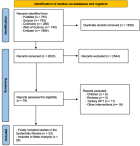
Study selection: the systematic database search identified 4,462 records initially (PubMed: 1,245; Embase: 1,678; Scopus: 892; Web of Science: 456; Cochrane: 191). After removing 1,839 duplicates using reference management software, 2,623 unique records underwent title and abstract screening. This process excluded 2,544 records that clearly did not meet inclusion criteria. The remaining 79 full-text articles were assessed for eligibility. We excluded 46 articles for the following reasons: pediatric populations (n=9), tertiary hyperparathyroidism (n=17), review articles (n=5), different interventions (n=16), and insufficient data (n=9). Ultimately, 33 RCTs met all inclusion criteria, with 26 providing sufficient data for quantitative meta-analysis (Figure 1).
Study characteristics: the 33 included RCTs were published between 2002 and 2024, comprising 24 studies evaluating cinacalcet and 9 evaluating etelcalcetide. Studies were conducted across 18 countries, with the majority from the United States (n=8), Japan (n=7), and European multicenter trials (n=6). Total enrollment included 13,668 patients: 11,463 in cinacalcet studies (6,587 treatment, 4,876 control) and 2,205 in etelcalcetide studies (1,150 treatment, 1,055 control). The mean age across all studies was 54.9±8.2 years, with males comprising 60% of participants. Patients had been on dialysis for an average of 65.6 months (range 3-173 months) before trial enrollment, with 88% on hemodialysis and 12% on peritoneal dialysis. Baseline PTH levels ranged from 300 to 1,200 pg/ml. Disease severity varied across studies: mild SHPT (PTH 150-300 pg/ml) in 3 studies, moderate (PTH 300-600 pg/ml) in 4 studies, moderate-to-severe (PTH 600-800 pg/ml) in 15 studies, and severe (PTH >800 pg/ml) in 9 studies. The mean follow-up duration was 6.95 months, ranging from 1 to 64 months.
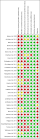
Risk of bias: risk of bias assessment revealed variable study quality. Random sequence generation was adequate in 18 studies (55%), unclear in 12 (36%), and high risk in 3 (9%). Allocation concealment was adequate in 15 studies (45%), unclear in 14 (42%), and inadequate in 4 (12%). Blinding of participants and personnel was achieved in 21 studies (64%), while 12 studies (36%) were open-label. Blinding of outcome assessors was reported in 19 studies (58%). Incomplete outcome data were adequately addressed in 25 studies (76%), with intention-to-treat analysis performed in 22 studies. Selective outcome reporting was low risk in 28 studies (85%). Overall, 2 studies had low risk of bias across all domains, 20 had some concerns, and 11 had high risk of bias in at least one domain (Figure 2).
Efficacy outcomes
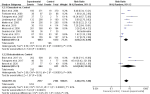
Achievement of PTH Reduction Targets: analysis of 15 studies (n=8,234 patients) assessing achievement of >30% PTH reduction from baseline revealed that cinacalcet-treated patients were 3.36 times more likely to achieve this target compared to controls (RR 3.36, 95% CI: 2.13-5.30, P<0.00001; 12 studies, n=6,892 patients, I²=78%). Etelcalcetide demonstrated an even greater likelihood of achieving this endpoint (RR 6.49, 95% CI: 2.49-16.97, P<0.0001; 3 studies, n=1,342 patients, I²=82%). However, the test for subgroup differences showed no statistically significant difference between the two drugs (P=0.22; Figure 3). Similarly, for achieving PTH levels below 300 pg/ml, cinacalcet increased the likelihood 4.05-fold (RR 4.05, 95% CI: 2.35-6.99, P<0.00001; 9 studies, n=5,234 patients, I²=81%), while etelcalcetide showed a 6.94-fold increase (RR 6.94, 95% CI: 0.92-52.55, P=0.06; 3 studies, n=1,342 patients, I²=89%), again without significant between-drug differences (P=0.62).
Continuous PTH changes: time-stratified analysis of absolute PTH reductions demonstrated progressive effects throughout the 12-month follow-up period. During months 1-2, cinacalcet reduced PTH by 192.72 pg/ml (95% CI: -219.68 to -165.76, P<0.00001; 8 studies, n=4,123 patients, I²=72%), while etelcalcetide achieved a reduction of 202.84 pg/ml (95% CI: -269.68 to -136.01, P<0.00001; 2 studies, n=892 patients, I²=76%). During months 3-6, reductions increased to 292.32 pg/ml for cinacalcet (95% CI: -345.04 to -235.59, P<0.00001; 10 studies, n=5,456 patients, I²=79%) and 266.99 pg/ml for etelcalcetide (95% CI: -610.64 to -76.66, P=0.01; 3 studies, n=1,342 patients, I²=88%). These reductions were sustained through months 7-12, with cinacalcet achieving 237.70 pg/ml reduction (95% CI: -312.19 to -163.21, P<0.00001; 6 studies, n=3,234 patients, I²=74%) and etelcalcetide 314.68 pg/ml (95% CI: -833.83 to 204.46, P=0.23; 2 studies, n=678 patients, I²=91%).
Mineral metabolism parameters: both calcimimetics consistently reduced serum calcium and phosphorus levels across all time periods analysed. Serum calcium reductions ranged from 0.78 to 0.90 mg/dl for cinacalcet and 0.83 to 0.90 mg/dl for etelcalcetide throughout the 12-month follow-up, with no significant differences observed between them at any time point (all P>0.05). Similarly, serum phosphorus reductions ranged from 0.45 to 0.61 mg/dl for cinacalcet and 0.50 to 0.83 mg/dl for etelcalcetide, again without significant between-drug differences. The calcium-phosphorus product decreased by 8.2-10.4 mg²/dl² with both agents.
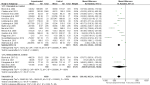
Safety outcomes: analysis of safety data from 28 studies (n=11,456 patients) revealed that both cinacalcet and etelcalcetide were associated with increased treatment-related adverse events compared to control groups (cinacalcet: RR 1.28, 95% CI: 1.18-1.39, P<0.00001; etelcalcetide: RR 1.35, 95% CI: 1.21-1.51, P<0.00001), with no significant difference between the two drugs (P=0.62). The most common adverse events for both agents included gastrointestinal symptoms and metabolic disturbances. Nausea occurred in 22.3% of cinacalcet patients versus 10.8% of controls (RR 2.02, 95% CI: 1.74-2.35) and 18.6% of etelcalcetide patients versus 9.2% of controls (RR 1.98, 95% CI: 1.53-2.56). Vomiting affected 15.8% of cinacalcet patients and 13.2% of etelcalcetide patients. Hypocalcemia (serum calcium <8.4 mg/dl) occurred in 12.4% of cinacalcet patients and 14.8% of etelcalcetide patients. Notably, etelcalcetide was uniquely associated with a statistically significant increase in muscle spasms (Figure 4) (RR 2.84, 95% CI: 1.67-4.83, P=0.0001; 3 studies, n=1,342 patients), affecting 12.3% of etelcalcetide patients versus 4.3% of controls. This adverse event was not significantly increased with cinacalcet (RR 1.32, 95% CI: 0.89-1.96, P=0.17). Neither drug increased the incidence of cardiovascular adverse events, including myocardial infarction (cinacalcet: RR 0.94, 95% CI: 0.71-1.24; etelcalcetide: RR 0.89, 95% CI: 0.54-1.47), heart failure, or hypotension. Headache incidence was slightly elevated but not statistically significant for either drug. Key efficacy and safety outcomes are summarised in Table 1.
This comprehensive systematic review and meta-analysis provide robust evidence that both cinacalcet and etelcalcetide effectively manage SHPT in dialysis patients, with comparable efficacy in achieving clinically meaningful PTH reduction and normalising mineral metabolism. Our findings, based on 33 RCTs involving over 13,000 patients, have important implications for clinical practice, particularly in guiding treatment selection based on individual patient factors rather than perceived differences in efficacy.
Both calcimimetics demonstrated the ability to achieve PTH reductions exceeding 30% from baseline, a threshold that aligns with current Kidney Disease: Improving Global Outcomes (KDIGO) guideline recommendations for SHPT management [24]. The 2017 KDIGO guidelines suggest maintaining PTH levels between 2-9 times the upper normal limit, acknowledging that modest PTH elevations may be adaptive in CKD [25]. Our findings support that both agents effectively achieve these targets. While etelcalcetide showed numerically greater effect sizes in some analyses (RR 6.49 vs 3.36 for >30% PTH reduction), these differences did not reach statistical significance (P=0.22). This finding contrasts with the network meta-analysis by Palmer et al., which suggested superior efficacy of etelcalcetide [19]. The discrepancy may reflect our broader patient population, longer follow-up periods, and exclusive focus on dialysis patients.
The sustained efficacy of both agents over 12 months is particularly noteworthy, addressing concerns about tachyphylaxis or tolerance development. The progressive PTH reductions observed through 6 months, followed by plateau effects, suggest that both drugs achieve a new steady-state of parathyroid function rather than causing progressive suppression. This pattern is reassuring from a safety perspective, as excessive PTH suppression (levels <150 pg/ml) can lead to adynamic bone disease, characterised by low bone turnover and increased fracture risk [26,27]. The EVOLVE trial, the largest cinacalcet study to date with 3,883 patients followed for up to 64 months, demonstrated sustained PTH control without excessive suppression [28].
The comparable effects on mineral metabolism parameters further support the similar efficacy profiles of both agents. The consistent reductions in serum calcium (0.78-0.90 mg/dl) and phosphorus (0.45-0.83 mg/dl) align with the drugs' mechanism of action and are clinically meaningful. Elevated calcium-phosphorus product (>55 mg²/dl²) is associated with vascular calcification and increased cardiovascular mortality [29,30]. Both agents effectively reduced this product by 8-10 mg²/dl², potentially mitigating cardiovascular risk.
From a safety perspective, both agents demonstrated expected class effects, with gastrointestinal symptoms being most common. The similar rates of nausea (22.3% cinacalcet vs 18.6% etelcalcetide) and vomiting suggest that the intravenous route of etelcalcetide does not eliminate gastrointestinal adverse events, possibly due to systemic rather than local effects. The unique association of etelcalcetide with muscle spasms (12.3% vs 4.3% in controls) represents an important differentiating factor. This may relate to etelcalcetide's peptide structure and different pharmacokinetic profile, with more rapid achievement of peak concentrations potentially triggering neuromuscular irritability [31].
The absence of increased cardiovascular events with either agent is reassuring, particularly given historical concerns about the J-shaped relationship between PTH levels and cardiovascular outcomes [32]. Neither agent increased myocardial infarction risk, contrasting with earlier concerns about hypocalcemia-induced cardiac events. This safety profile supports the cardiovascular neutrality of calcimimetic therapy, as demonstrated in the EVOLVE trial [28].
Clinical implications of our findings support an individualised approach to calcimimetic selection. Etelcalcetide's intravenous administration during dialysis sessions offers clear advantages for medication adherence, particularly relevant given that dialysis patients take an average of 19 pills daily and non-adherence rates approach 50% [33,34]. The thrice-weekly administration synchronised with dialysis eliminates the need for daily oral dosing and ensures complete drug delivery. This may be particularly beneficial for patients with cognitive impairment, those living alone, or those with documented poor oral medication compliance.
Conversely, cinacalcet may be preferred in specific clinical scenarios. Patients who experience or are at high risk for muscle spasms, including those with underlying neuromuscular disorders or electrolyte instability, may better tolerate cinacalcet. The oral route also offers flexibility for dose adjustments independent of dialysis schedules, which may be advantageous for patients with variable schedules or those on peritoneal dialysis. Additionally, the longer market experience with cinacalcet (available since 2004) provides more extensive long-term safety data.
Economic considerations, while beyond the scope of this analysis, may also influence treatment selection. Generic cinacalcet availability in many markets has substantially reduced costs, while etelcalcetide remains under patent protection. Cost-effectiveness analyses suggest that etelcalcetide may be economically favourable when considering reduced pill burden and improved adherence, but this varies by healthcare system [35,36].
Limitations: several limitations of this analysis merit consideration. First, the high risk of bias observed in one-third of included studies, primarily related to inadequate blinding and allocation concealment, may affect result reliability. Open-label designs were common, particularly for etelcalcetide studies where the intravenous route made blinding challenging.
Second, substantial heterogeneity (I²>75%) was observed for most outcomes, reflecting variations in patient populations, disease severity, baseline PTH levels, concurrent medications, and dosing regimens. While we used random-effects models to account for this heterogeneity, it may limit the precision of our estimates.
Third, the limited number of etelcalcetide studies (n=9) compared to cinacalcet studies (n=24) resulted in wider confidence intervals and reduced statistical power for etelcalcetide analyses. This imbalance reflects the more recent introduction of etelcalcetide and highlights the need for additional comparative effectiveness research. Fourth, long-term outcomes beyond one year remain incompletely characterised for both agents, particularly regarding fracture rates, cardiovascular events, and mortality.
Finally, we could not perform an individual patient data meta-analysis, which would have allowed more detailed subgroup analyses based on patient characteristics such as dialysis vintage, residual renal function, or PTH severity.
This systematic review and meta-analysis demonstrate that cinacalcet and etelcalcetide have comparable efficacy in managing SHPT among dialysis patients, effectively reducing PTH, calcium, and phosphorus levels with sustained effects over 12 months. While etelcalcetide's intravenous administration during dialysis may enhance medication adherence and reduce pill burden, its association with increased muscle spasm risk requires careful consideration. Treatment selection should be individualised based on patient preferences, adherence factors, tolerance profiles, and practical considerations related to administration route. Future research should focus on head-to-head randomised trials and long-term comparative effectiveness studies that examine patient-centred outcomes, quality-of-life measures, and cardiovascular endpoints. Additionally, studies in specific populations such as peritoneal dialysis patients, those with residual renal function, and patients transitioning to kidney transplantation would further refine treatment algorithms for this challenging condition.
What is known about this topic
- Calcimimetics effectively reduce PTH levels in dialysis patients with secondary hyperparathyroidism through allosteric modulation of calcium-sensing receptors;
- Cinacalcet (oral) and etelcalcetide (intravenous) are approved for SHPT management but have different administration routes and pharmacokinetic profiles;
- Previous reviews included mixed CKD populations or lacked comprehensive safety assessments specific to dialysis patients.
What this study adds
- Both agents achieve comparable PTH reduction exceeding 30% from baseline with sustained effects over 12 months in dialysis patients;
- Etelcalcetide is uniquely associated with increased muscle spasm (12.3% vs 4.3%), an important consideration for individualised treatment selection;
- Neither drug increases cardiovascular adverse events, supporting the cardiovascular safety of calcimimetic therapy in dialysis patients.
The authors declare no competing interests.
The conception, design of the study, drafting, writing of the manuscript and data extraction were carried out by Alaa Alem and Ahlam Elbadri. The critical revision of the manuscript for important intellectual content was conducted by Alaa Alem, Ahlam Elbadri, Israa Gismelseed, Manal Bakhet, and Nour Ahmed. All authors read, reviewed and approved the final version of the manuscript.
Table 1: summary of key efficacy and safety outcomes
Figure 1: PRISMA 2020 flow diagram illustrating study identification, screening, eligibility assessment, and final inclusion
Figure 2: risk of bias assessment using Cochrane RoB 1 tool across six domains for included randomised controlled trials
Figure 3: forest plot comparing cinacalcet versus etelcalcetide for achieving >30% PTH reduction from baseline
Figure 4: forest plot of treatment-related adverse events comparing cinacalcet and etelcalcetide versus control groups
- Cunningham J, Locatelli F, Rodriguez M. Secondary hyperparathyroidism: pathogenesis, disease progression, and therapeutic options. Clin J Am Soc Nephrol. 2011;6(4):913-92. PubMed | Google Scholar
- Komaba H, Kakuta T, Fukagawa M. Diseases of the parathyroid gland in chronic kidney disease. Clin Exp Nephrol. 2011;15(6):797-809. PubMed | Google Scholar
- Rodriguez M, Nemeth E, Martin D. The calcium-sensing receptor: a key factor in the pathogenesis of secondary hyperparathyroidism. Am J Physiol Renal Physiol. 2005;288(2):F253-264. PubMed | Google Scholar
- Silver J, Naveh-Many T. FGF-23 and secondary hyperparathyroidism in chronic kidney disease. Nat Rev Nephrol. 2013;9(11):641-649. PubMed | Google Scholar
- Tentori F, Wang M, Bieber BA, Karaboyas A, Li Y, Jacobson SH et al. Recent changes in therapeutic approaches and association with outcomes among patients with secondary hyperparathyroidism on chronic hemodialysis. Clin J Am Soc Nephrol. 2015;10(1):98-109. PubMed | Google Scholar
- Sprague SM, Llach F, Amdahl M, Taccetta C, Batlle D. Paricalcitol versus calcitriol in the treatment of secondary hyperparathyroidism. Kidney Int. 2003;63(4):1483-1490. PubMed | Google Scholar
- Block GA, Kilpatrick RD, Lowe KA, Wang W, Danese MD. CKD-mineral and bone disorder and risk of death and cardiovascular hospitalization in patients on hemodialysis. Clin J Am Soc Nephrol. 2013;8(12):2132-2140. PubMed | Google Scholar
- London GM, Guérin AP, Marchais SJ, Métivier F, Pannier B, Adda H. Arterial media calcification in end-stage renal disease: impact on all-cause and cardiovascular mortality. Nephrol Dial Transplant. 2003;18(9):1731-1740. PubMed | Google Scholar
- Arenas MD, Malek T, Gil MT, Moledous A, Alvarez-Ude F, Reig-Ferrer A. Challenge of phosphorus control in hemodialysis patients: a problem of adherence? J Nephrol. 2010;23(5):525-534. PubMed | Google Scholar
- Tominaga Y, Matsuoka S, Uno N. Surgical and medical treatment of secondary hyperparathyroidism in patients on continuous dialysis. World J Surg. 2009;33(11):2335-2342. PubMed | Google Scholar
- Nemeth EF, Heaton WH, Miller M, Fox J, Balandrin MF, Van Wagenen BC et al. Pharmacodynamics of the type II calcimimetic compound cinacalcet HCl. J Pharmacol Exp Ther. 2004;308(2):627-635. PubMed | Google Scholar
- Brown EM. Clinical lessons from the calcium-sensing receptor. Nat Clin Pract Endocrinol Metab. 2007;3(2):122-133. PubMed | Google Scholar
- Raggi P, Chertow GM, Torres PU, Csiky B, Naso A, Nossuli K et al. The ADVANCE study: a randomized study to evaluate the effects of cinacalcet plus low-dose vitamin D on vascular calcification in patients on hemodialysis. Nephrol Dial Transplant. 2011;26(4):1327-1339. PubMed | Google Scholar
- Block GA, Martin KJ, de Francisco AL, Turner SA, Avram MM, Suranyi MG et al. Cinacalcet for secondary hyperparathyroidism in patients receiving hemodialysis. N Engl J Med. 2004;350(15):1516-1525. PubMed | Google Scholar
- Lindberg JS, Culleton B, Wong G, Borah MF, Clark RV, Shapiro WB et al. Cinacalcet HCl, an oral calcimimetic agent for the treatment of secondary hyperparathyroidism in hemodialysis and peritoneal dialysis. J Am Soc Nephrol. 2005;16(3):800-807. PubMed | Google Scholar
- Gincherman Y, Moloney K, McKee C, Coyne DW. Assessment of adherence to cinacalcet by prescription refill rates in hemodialysis patients. Hemodial Int. 2010;14(1):68-72. PubMed | Google Scholar
- Block GA, Bushinsky DA, Cheng S, Cunningham J, Dehmel B, Drueke TB, et al. Effect of etelcalcetide vs cinacalcet on serum parathyroid hormone in patients receiving hemodialysis with secondary hyperparathyroidism: a randomized clinical trial. JAMA. 2017;317(2):156-164. PubMed | Google Scholar
- Block GA, Bushinsky DA, Cunningham J, Drueke TB, Ketteler M, Kewalramani R et al. Effect of etelcalcetide vs placebo on serum parathyroid hormone in patients receiving hemodialysis with secondary hyperparathyroidism: two randomized clinical trials. JAMA. 2017;317(2):146-155. PubMed | Google Scholar
- Palmer SC, Mavridis D, Johnson DW, Tonelli M, Ruospo M, Strippoli GFM. Comparative effectiveness of calcimimetic agents for secondary hyperparathyroidism in adults: a systematic review and network meta-analysis. Am J Kidney Dis. 2020;76(3):321-330. PubMed | Google Scholar
- Page MJ, McKenzie JE, Bossuyt PM, Boutron I, Hoffmann TC, Mulrow CD. The PRISMA 2020 statement: an updated guideline for reporting systematic reviews. BMJ. 2021;372:n71 Accessed 13th March 2025.
- Higgins JPT, Thomas J, Chandler J, Cumpston M, Li T, Page MJ et al., editor(s). Cochrane Handbook for Systematic Reviews of Interventions version 6.5 (updated August 2024). Cochrane, 2024. Google Scholar
- Higgins JP, Altman DG, Gøtzsche PC, Jüni P, Moher D, Oxman AD et al. The Cochrane Collaboration's tool for assessing risk of bias in randomised trials. BMJ. 2011;343:d5928. PubMed | Google Scholar
- Wan X, Wang W, Liu J, Tong T. Estimating the sample mean and standard deviation from the sample size, median, range and/or interquartile range. BMC Med Res Methodol. 2014;14:135. PubMed | Google Scholar
- Kidney Disease: Improving Global Outcomes (KDIGO) CKD-MBD Update Work Group. KDIGO 2017 Clinical Practice Guideline Update for the Diagnosis, Evaluation, Prevention, and Treatment of Chronic Kidney Disease-Mineral and Bone Disorder (CKD-MBD). Kidney Int Suppl (2011). 2017 Jul;7(1):1-59. PubMed | Google Scholar
- Evenepoel P, Bover J, Urena Torres P. Parathyroid hormone metabolism and signaling in health and chronic kidney disease. Kidney Int. 2016;90(6):1184-1190. PubMed | Google Scholar
- Malluche HH, Monier-Faugere MC, Herberth J. Bone disease after renal transplantation. Nat Rev Nephrol. 2010;6(1):32-40. PubMed | Google Scholar
- Coen G, Ballanti P, Bonucci E, Calabria S, Costantini S, Ferrannini M et al. Renal osteodystrophy in predialysis and hemodialysis patients: comparison of histologic patterns and diagnostic predictivity of intact PTH. Nephron. 2002;91(1):103-111. PubMed | Google Scholar
- EVOLVE Trial Investigators; Chertow GM, Block GA, Correa-Rotter R, Drüeke TB, Floege J, Goodman WG et al. Effect of cinacalcet on cardiovascular disease in patients undergoing dialysis. N Engl J Med. 2012;367(26):2482-2494. PubMed | Google Scholar
- Block GA, Raggi P, Bellasi A, Kooienga L, Spiegel DM. Mortality effect of coronary calcification and phosphate binder choice in incident hemodialysis patients. Kidney Int. 2007;71(5):438-441. PubMed | Google Scholar
- Tentori F, Blayney MJ, Albert JM, Gillespie BW, Kerr PG, Bommer J. Mortality risk for dialysis patients with different levels of serum calcium, phosphorus, and PTH: the Dialysis Outcomes and Practice Patterns Study (DOPPS). Am J Kidney Dis. 2008;52(3):519-5. PubMed | Google Scholar
- Walter S, Baruch A, Dong J, Tomlinson JE, Alexander ST, Janes J. Pharmacology of AMG 416 (Velcalcetide), a novel peptide agonist of the calcium-sensing receptor, for the treatment of secondary hyperparathyroidism in hemodialysis patients. J Pharmacol Exp Ther. 2013;346(2):229-240. PubMed | Google Scholar
- Floege J, Kim J, Ireland E, Chazot C, Drueke T, de Francisco A. Serum iPTH, calcium and phosphate, and the risk of mortality in a European haemodialysis population. Nephrol Dial Transplant. 2011;26(6):1948-1955. PubMed | Google Scholar
- Chiu YW, Teitelbaum I, Misra M, de Leon EM, Adzize T, Mehrotra R. Pill burden, adherence, hyperphosphatemia, and quality of life in maintenance dialysis patients. Clin J Am Soc Nephrol. 2009;4(6):1089-1096. PubMed | Google Scholar
- Karamanidou C, Clatworthy J, Weinman J, Horne R. A systematic review of the prevalence and determinants of nonadherence to phosphate binding medication in patients with end-stage renal disease. BMC Nephrol. 2008;9(1):2. PubMed | Google Scholar
- Shiratori S, Yoshida H, Osada A et al. Cost-effectiveness of etelcalcetide versus cinacalcet in secondary hyperparathyroidism patients receiving hemodialysis in Japan. PLoS One. 2022;17(9):e0274178.
- Filipozzi P, Ayav C, Ngueyon Sime W et al. Trajectories of adherence to cinacalcet in incident users: a retrospective cohort study using a French healthcare insurance database. Medicine (Baltimore). 2021;100(26):e26484.
Search
This article authors
On Pubmed
On Google Scholar
Citation [Download]
Navigate this article
Similar articles in
Key words
Tables and figures

Article metrics
Recently from the PAMJ





Authors´ services