Robotic-assisted versus conventional laparoscopic colorectal resection for colorectal cancer: a systematic review, meta-analysis and GRADE assessment of perioperative and postoperative outcomes
Ritisha Conjobeeharry, Anshika Bundhoo, Indrajit Banerjee, Jared Robinson, Indraneel Banerjee
Corresponding author: Indrajit Banerjee, Department of Pharmacology, Sir Seewoosagur Ramgoolam Medical College, Moka, Mauritius 
Received: 25 Aug 2026 - Accepted: 04 Oct 2026 - Published: 13 Oct 2026
Domain: General surgery, Surgical oncology, Surgical Sciences
Keywords: Robotic surgical procedures, conventional laparoscopic, colorectal cancer, bladder function, sexual function
Funding: This work received no specific grant from any funding agency in the public, commercial, or non-profit sectors.
©Ritisha Conjobeeharry et al. Pan African Medical Journal (ISSN: 1937-8688). This is an Open Access article distributed under the terms of the Creative Commons Attribution International 4.0 License (https://creativecommons.org/licenses/by/4.0/), which permits unrestricted use, distribution, and reproduction in any medium, provided the original work is properly cited.
Cite this article: Ritisha Conjobeeharry et al. Robotic-assisted versus conventional laparoscopic colorectal resection for colorectal cancer: a systematic review, meta-analysis and GRADE assessment of perioperative and postoperative outcomes. Pan African Medical Journal. 2026;55:76. [doi: 10.11604/pamj.2026.55.76.55113]
Available online at: https://www.panafrican-med-journal.com//content/article/55/76/full
 PDF in process
 Systematic review and meta-analysis 

Robotic-assisted versus conventional laparoscopic colorectal resection for colorectal cancer: a systematic review, meta-analysis and GRADE assessment of perioperative and postoperative outcomes
Robotic-assisted versus conventional laparoscopic colorectal resection for colorectal cancer: a systematic review, meta-analysis and GRADE assessment of perioperative and postoperative outcomes
 Ritisha Conjobeeharry1, Anshika Bundhoo1, Indrajit Banerjee2, Jared Robinson3, Indraneel Banerjee4
&Corresponding author
Introduction: conventional laparoscopic surgery (CLS) has long been the standard for colorectal cancer resection; however, the advent of robotic-assisted surgery (RAS) offers more precise dexterity and visualization that contribute to improve the outcomes of these procedures.
Methods: a comprehensive search was conducted across PubMed, Cochrane CENTRAL, and Google Scholar to identify relevant RCTs. The research protocol was registered on PROSPERO (CRD420261451189).
Results: the analysis of a total of 6 RCTs, involving 1620 patients revealed that RAS significantly improved long-term functional outcomes over CLS, including lower International Prostate Symptom Score (I-PSS) for bladder function (MD -1.37; 95% CI -1.72, -1.01; p<0.00001; I2=0%) and higher International Index of Erectile Function (IIEF) scores (MD 2.83; 95% CI 2.11,3.55; p<0.00001; I2=0%) and higher Female Sexual Function Index (FSFI) scores (MD 2.88; 95% CI 1.79,3.97; p<0.00001; I2=67%). Perioperatively, RAS was associated with reduced blood loss (MD -26.70; 95% CI -32.1,20.78; p<0.00001; I2=0%) and earlier time to first flatus (MD -0.99; 95% CI -1.14, -0.83; p<0.00001; I2=0%). However, no statistical difference was found between length of hospital stay (MD -1.24; 95% CI -2.55,0.06; p=0.06; I2=82%) and lymph nodes harvested between RAS and CLS (MD 1.24; 95% CI -3.78,6.26; p=0.63; I2=96%). GRADE assessment for the primary outcomes remained high for the outcomes of bladder function, male sexual function, and female sexual function, as no serious concerns were identified regarding risk of bias, inconsistency, indirectness, imprecision, or publication bias.
Conclusion: robotic-assisted resection appears to surpass conventional laparoscopy surgery with regard to refining surgical precision, recovery, and most importantly, preserving long-term urinary and sexual functions.

According to WHO, colorectal cancer is the third most common cancer worldwide and is the second leading cause of cancer-related deaths. (World Health Organization, 2026) [1]. This global burden highlights the importance of minimizing perioperative and post-operative complications in a bid to decrease morbidity and mortality. Conventional laparoscopy is a safe and effective option [2]; however, its limitations include: 2-dimensional view, unstable assistant-controlled camera, poor ergonomics, straight-tip instruments, fulcrum effect, and enhanced tremor effect [3]. These limitations are especially relevant where the surgeon must navigate the narrow pelvis to ensure the preservation of pelvic autonomic nerves to maintain postoperative urinary and sexual functions.
Robotic-assisted surgery addresses the above limitations by providing better dexterity, reduced tremors, and better visualization [4]; however, it comes with longer operative time and a higher cost [5]. Previous systematic reviews have reported several advantages of robotic-assisted surgery over conventional laparoscopic surgery, which focus on lower conversion rates as the primary outcome [6], but limited literature focuses on functional and oncological outcomes.
Functional outcomes such as urinary and sexual function post-operatively can substantially affect the patient's quality of life. A previous review conducted in 2018 suggested that robotic surgery may offer faster recovery in urogenital function as compared to laparoscopic surgery [7]; therefore, we have used more recent data to offer a more accurate and up-to-date analysis. Despite the increasing number of systematic reviews investigating robotic-assisted surgery, an important evidence gap persists, as certainty of evidence for key clinical outcomes has not been comprehensively evaluated using the GRADE framework.
This systematic review and meta-analysis were conducted to compare robotic-assisted surgery with conventional laparoscopic surgery in patients undergoing colorectal cancer surgery. We have evaluated functional outcomes at six months, including urinary and sexual function, and operative outcomes such as lymph node harvest yield and intraoperative blood loss. Postoperative outcomes such as length of hospital stay and days to first flatus were also assessed.

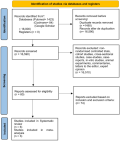
This systematic review and meta-Analysis were conducted in accordance with the Preferred Reporting Items for Systematic Reviews and Meta-Analyses 2020 (PRISMA) Figure 1 [8].
Registration and protocol: registration of the review was performed on PROSPERO, an international prospective register of systematic reviews, and this research was registered under ID number: CRD420261451189. The full protocol can be accessed in PROSPERO [9].
Search strategy: an electronic search was conducted on PubMed, Cochrane Central Register of Controlled Trials (CENTRAL), and Google Scholar in order to find relevant manuscripts to the study. A combination of keywords and Boolean operators was used for the data extraction: (robotic surgical procedures) AND (conventional Laparoscopic) AND (colorectal cancer))/ ((robotic surgical procedures) AND (conventional laparoscopic) AND (bladder function))/ ((robotic surgical procedures) AND (conventional laparoscopic) AND (sexual function))/ ((robotic surgical procedures) AND (conventional laparoscopy) AND (outcomes)). The strategy employed in the search, along with the total number of articles screened, is presented in the PRISMA flow diagram (Figure 1).
PICOS Framework: the eligibility criteria for this study were defined in accordance with the PICOS framework (Population (P), Intervention (I), Comparator (C), Outcomes (O), Study design (S)). Population: Adult patients with a confirmed diagnosis of colorectal cancer who were scheduled for surgical resection of the cancer. Intervention: patients undergoing robotic-assisted surgery. Comparator: conventional laparoscopic procedure.
Outcomes: the primary outcomes assessed were bladder function, male sexual function, and female sexual function; secondary outcomes included lymph nodes harvested, length of hospital stay, blood loss intraoperatively, and days before first flatus.
Study design: randomized Controlled Trials (RCTs) published in English between 2016 and 2026.
Eligibility criteria: all the titles were initially screened, and appropriate abstracts were reviewed by two independent reviewers (RC and AB) using the inclusion criteria, and the full texts of potentially eligible articles were then obtained and assessed against the predefined inclusion and exclusion criteria by the same reviewers. The date of the last search was 25th July 2026.
Inclusion criteria: all Randomized Controlled Trials (RCTs) meeting the following inclusion criteria were taken into consideration: adult patients undergoing elective surgery for colorectal cancer, comparing robotic-assisted surgery with conventional laparoscopic surgery. Studies that reported at least one of the predefined outcomes were included. Full-text articles were included and assessed for eligibility in this systematic review. Only the RCTs available in English were included in this study.
Exclusion criteria: paediatric patients or those who underwent open or emergency surgery were excluded. All non-RCTs, cohort studies, case-control studies, cross-sectional studies, case series, case reports, in vitro studies, and animal experiments were not included in this study.
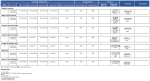
Data extraction: all the titles were screened independently by two researchers (RC and AB), and any disagreements were resolved by the involvement of a senior third reviewer (IB). The full-text RCTs that satisfied the eligibility criteria were identified for inclusion in the final selection. A total of six RCTs were ultimately included for systematic review, and 3 RCTs were included for meta-analysis. Table 1 shows the study authors and year, country of study, type of study, sample size, type of surgery, urinary function, male sexual function, female sexual function, lymph nodes harvested, length of hospital stay, blood loss intraoperatively, and days before first flatus.
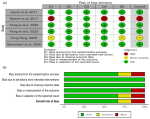
Risk of bias assessment: the quality of the studies was assessed independently by two researchers (RC and AB). The Cochrane risk-of-bias tool for randomized trials (RoB2) was used for quality assessment [10]. The RoB2 tool categorizes each domain as having a low risk of bias, some concerns, or high risk of bias. The findings were visually summarized using the Risk-of-bias Visualization (ROBVIS) web application program, which generated traffic light plots and weighted bar charts [11] (Figure 2).
Statistical analysis: meta-Analysis was performed using the RevMan Web Application. All the continuous outcomes (bladder function, male sexual function, female sexual function, lymph nodes harvested, length of hospital stay, blood loss intraoperatively, and days to first flatus) were reported as mean with standard deviations. In papers that did not publish this data (e.g., in studies reporting median and interquartile ranges), the reviewers estimated the mean and standard deviation according to Luo [12] and Wan's methods [13]. Mean differences (MD) with 95% confidence intervals (CI) were calculated using the RevMan Web application. Heterogeneity was assessed using I2 statistics, with >50% being considered significant heterogeneity, while studies with <50% I2 were considered as low heterogeneity. A random-effects model was used for studies with high heterogeneity (I2 >50%), and a fixed-effect model was utilized for those studies with low heterogeneity (I2<50%). P-values < 0.05 were considered statistically significant. In order to explain the high heterogeneity across certain factors, a sensitivity analysis was performed on female sexual function, lymph nodes harvested, and length of hospital stay. The findings were visually summarised by generating forest plots.
GRADE assessment: the certainty of evidence for each outcome was evaluated by using the Grading of Recommendations Assessment, Development and Evaluation (GRADE) approach, and classified as high, moderate, low, or very low certainty. Assessments were based on five domains: Risk of Bias, Inconsistency, Indirectness, Imprecision, and Publication Bias. A summary of findings (SoF) was prepared by using the GRADEpro Guideline Development Tool (GRADEpro GDT), incorporating pooled effect estimates, absolute effects, and the corresponding certainty ratings for all the key outcomes.
An extensive review of the literature was conducted, which generated a total of 19,507 articles (PubMed: 1423, Cochrane: 84, Google Scholar: 18,000). 1507 of these were identified as duplicates and were excluded thereafter by EndNote 21. Therefore, 18,000 records were screened after de-duplication. Non-randomized controlled trials, cohort studies, case-control studies, case reports, animal experiments, and in vitro studies were excluded (n=17,920). Ultimately, 80 full-text articles were assessed for eligibility. This yielded 6 RCTs that were analysed for comparison of operative and postoperative outcomes between conventional laparoscopic surgery and robotic-assisted surgery in patients suffering from colorectal cancer for systematic review, and 3 RCTs were analysed for data pooling and development of forest plots.
Risk of bias assessment: the methodological quality of the included studies was assessed using the Cochrane Risk of Bias (ROB2) tool. The results indicate risk of bias from randomisation process (low risk: 66.7%, some concerns: 16.7%, high risk: 16.7%), low risk of bias from deviations from intended interventions (low risk: 100%), low risk of bias from missing outcomes (low risk: 100%), bias due to measurement of outcome (low risk: 83.3%, high risk: 16.7%), bias due to selection of reported result (low risk: 83.3%, high risk: 16.7%). Overall, four studies (66.7%) were judged to have a low risk of bias, one study (16.7%) had some concerns, and one study (16.7%) was judged to have a high risk of bias.
Primary outcomes
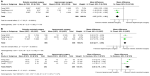
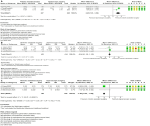
Bladder function (I-PSS): three studies involving 1620 patients (811 robotic-assisted and 809 laparoscopic) evaluated bladder function 6 months post-operatively in patients having undergone CLS vs RAS using I-PSS (International Prostate Symptom Score) as a primary outcome. The mean difference was found to be -1.37, 95% CI [-1.72, -1.01], and the overall effect was P<0.00001, showing statistical significance that robotic-assisted surgery offers lower I-PSS. No statistical heterogeneity was observed among the included studies (I2=0%, P=0.80) (Figure 3A).
Male sexual function (IIEF): the forest plot in Figure 3B demonstrates male sexual function 6 months post-operatively using IIEF (International Index of Erectile Function) for CLS vs RAS. Three studies including 914 patients (466 RAS and 448 CLS) were analyzed. The MD was found to be 2.83 with 95% CI [2.11, 3.55] and an overall effect of P<0.00001, providing statistical evidence favouring robotic-assisted surgery for the same. No heterogeneity was found among the included studies (I2=0%, P=0.64).
Female sexual function (FSFI): three studies including 581 patients (293 RAS and 288 CLS) were considered for this analysis. FSFI (Female Sexual Function Index) was used to determine female sexual function 6 months post-operatively to compare CLS and RAS. The MD was found to be 2.88 [1.79,3.97] with 95% CI and an overall effect of P<0.00001 favouring RAS. High heterogeneity was found among the included studies. (Tau2=0.61, I2=67%, P=0.07). The result is displayed in Figure 3C.
Secondary outcomes: perioperative outcomes
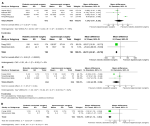
Lymph nodes harvested: four studies including 937 patients (472 RAS, 465 CLS) evaluated the number of lymph nodes harvested perioperatively in patients undergoing CLS vs RAS. The analysis did not demonstrate any statistically significant difference in lymph nodes harvested perioperatively. The MD= 1.24, 95% CI [-3.78, 6.26], and P=0.63. High heterogeneity was observed among the studies (Tau2=22.93, I2=96%, p<0.00001) (Figure 4A).
Blood loss (ml): two studies including 376 patients (193 RAS, 183 CLS) demonstrated the blood loss in mL in each surgery. The mean difference was found to be -26.70 with 95% CI [-32.61, -20.78] and P<0.00001 in favour of robotic-assisted surgery. No heterogeneity was found between the studies (I2=0%, P=0.93) (Figure 4B).
Post-operative outcomes
Length of hospital stay (days): three studies including 478 patients (244 RAS, 234 CLS) showed that length of hospital stay in days postoperatively in patients having undergone either surgery. The MD=-1.24 with 95% CI [-2.55, 0.06] and overall effect of P=0.06 showing no statistical significance. High heterogeneity was found among the studies (I2=82%, P=0.0010) (Figure 4C).
Days to first flatus: the forest plot in Figure 4D shows the analysis of two studies including 376 patients (193 robotic assisted, 183 laparoscopic) for the number of days taken to pass first flatus post-operatively following either laparoscopic or robotic assisted surgery. The mean difference was found to be -0.99 with 95% CI [-1.14, -0.83] with P<0.00001 favouring robotic assisted surgery. No heterogeneity was found between these two studies (I2=0%, P=0.37)
GRADE assessment: Figure 5 presents the GRADE assessment of all Randomized Controlled trials, which provide a high-certainty starting level of evidence. For the primary outcomes, the certainty of evidence remained high for the outcomes of bladder function, male sexual function, and female sexual function, as no serious concerns were identified regarding risk of bias, inconsistency, indirectness, imprecision, or publication bias. The certainty of the evidence for secondary outcomes, blood loss and days to first flatulence remained moderate, due to imprecision from a small sample size. The certainty of evidence was downgraded by 1 level. For the lymph node harvested, the certainty of evidence was downgraded by 2 levels to low due to considerable statistical heterogeneity (I2> 50%) and wide CI. Overall GRADE assessment indicates high confidence in the evidence supporting that robotic-assisted surgery is superior to conventional laparoscopy. Figure 6 shows sensitivity with heterogeneity> 50%. Figure 6A female sexual function, Figure 6B lymph nodes harvested, and Figure 6C length of hospital stay were the secondary outcomes of Robotic-Assisted versus Conventional Laparoscopic Colorectal Resection for Colorectal Cancer
Several previous reviews such as Mohammed et al. and Wang et al. have primarily compared the perioperative outcomes such as lower conversion rates in RAS compared to conventional laparoscopic colorectal resection [14,15], but increased operative time for robotic-assisted surgery as reported by Huang et al. [16]. Therefore, we have focused on postoperative outcomes such as urinary and sexual function for a different comparison between the two modalities of surgery while also evaluating selected perioperative and oncological outcomes.
Our review has demonstrated that RAS was associated with improved postoperative urinary function compared to CLS. We have used the IPSS (International Prostate Symptom Score) validated by Barry et al. [17]. for comparison across the studies considered. A higher IPSS score is equivalent to worse function. We have considered Feng et al. a (2022), Feng et al. b (2022) and TengTeng et al. for the analysis [18-20]. There were similar findings in the review conducted by Abdelsamad et al. [21]. This advantage may be attributable to enhanced vision and precise manipulation of robotic-assisted surgery in the complex anatomy and narrow pelvic cavity [20]. The absence of heterogeneity (I2=0%) further strengthens the consistency of this finding across included trials.
Similarly, we have observed significantly higher postoperative IIEF scores in robotic-assisted surgery, which is associated with better male sexual function. This may be attributed to better nerve preservation due to three-dimensional imaging, excellent ergonomics, tremor elimination, ambidextrous capability, motion scaling, and instruments with multiple degrees of freedom as reported by Baik [22]. The absence of heterogeneity among included studies supports this outcome. Additionally, significantly higher postoperative FSFI scores were observed in RAS, which is associated with overall better female sexual function. However, it was associated with high heterogeneity. Subsequently, we conducted a sensitivity analysis to reduce the heterogeneity. The latter may have been due to fewer women being sexually active before and after the surgery. It may also be attributed to the mean estimation from IQR.
Robotic-assisted surgery did not provide a higher lymph node yield than CLS. Adequate lymph node retrieval is important for accurate pathological staging and may influence decisions regarding further treatment. According to O'Boyle et al. patients who had more nodes removed tended toward improved survival, independent of stage [23]. However, the high heterogeneity suggests that the effect was not consistent throughout the studies [18,20,24,25]. The heterogeneity may be attributed to tumour location and neoadjuvant therapy. However, after subsequent sensitivity analysis, heterogeneity was significantly reduced.
We have found that RAS showed lower intraoperative blood loss compared to CLS. Simillis et al. concluded that increased operative blood loss may adversely impact short-term and long-term postoperative outcomes and that measures should be taken to minimize operative blood loss during colorectal cancer surgery [26]. However, a reduction of about 26.70 ml may not necessarily translate into better outcomes. No heterogeneity was found, highlighting consistency between the studies [18,27]. RAS was associated with significantly shorter hospital stay. This may be attributed to the more precise nature of RAS as well as all the above perioperative advantages. The study conducted by Lagoe et al. suggested that hospital length of stay reduction at the community level is an important opportunity for improving health care outcomes and efficiency [28]. However, the high heterogeneity demonstrates inconsistencies throughout the included studies. This may be due to differing institutional discharge criteria or the implementation of ERAS. Our analysis has shown that, on average, robotic-assisted surgery demonstrated first flatus in patients postoperatively by almost a day earlier. Time of first postoperative flatus is usually used to assess bowel function during early postoperative recovery [29]. It is a good marker of bowel function and crucial in any postoperative patient.
This systematic review and meta-analysis demonstrate that robotic-assisted surgery is superior to conventional laparoscopy. By overcoming the technical constraints of conventional laparoscopy, RAS delivers higher precision in the narrow pelvis which is reflected by the improved preservation of autonomic nerves, resulting in better postoperative urinary and sexual functions. Beyond functional outcomes, RAS achieved higher lymph node yield, reduced blood loss, along with accelerated recovery and shortened length of hospital stays. However, the observed heterogeneity across several parameters emphasises the need for in-depth evaluation through large-scale, high-quality trials.
What is known about this topic
- According to WHO, colorectal cancer is the third most common cancer worldwide and is the second leading cause of cancer-related deaths;
- Conventional laparoscopy is a safe and effective option; however, its limitations include: 2-dimensional view, unstable assistant-controlled camera, poor ergonomics, straight-tip instruments, fulcrum effect, and enhanced tremor effect in Colorectal Resection for Colorectal Cancer;
- Robotic-assisted surgery addresses the above limitations by providing better dexterity, reduced tremors, and better visualisation; however, it comes with longer operative time and a higher cost.
What this study adds
- This systematic review and meta-analysis evaluated functional outcomes at six months, including urinary and sexual function, operative outcomes such as lymph node harvest yield and intraoperative blood loss; postoperative outcomes such as length of hospital stay and days to first flatus were also assessed, and the results demonstrated that robotic-assisted surgery is superior to conventional laparoscopy;
- By overcoming the technical constraints of conventional laparoscopy, robotic-assisted surgery delivers higher precision in the narrow pelvis, which is reflected by the improved preservation of autonomic nerves, resulting in better postoperative urinary and sexual functions; beyond functional outcomes, robotic-assisted surgery achieved higher lymph node yield, reduced blood loss, along with accelerated recovery and shortened length of hospital stay;
- Certainty of evidence for clinically important outcomes has been synthesized using the Grading of Recommendations Assessment, Development and Evaluation (GRADE) approach; it supports evidence-based clinical decision-making and future guideline development in Colorectal Resection for Colorectal Cancer in Africa and globally.
The authors declare no conflict of interests.
Conceptualization: Ritisha Conjobeeharry, Anshika Bundhoo, Indrajit Banerjee. Methodology: investigation, data curation, formal analysis and resources: Ritisha Conjobeeharry, Anshika Bundhoo, Jared Robinson. Visualization, writing-original draft, writing-review, and editing: Ritisha Conjobeeharry, Anshika Bundhoo, Indraneel Banerjee, Jared Robinson, Indrajit Banerjee. Supervision: Indrajit Banerjee, Indraneel Banerjee. All the authors have read and approved the final version of this manuscript.
The authors are thankful to Professor Dr. A.P. Singh, SSR Medical College, Mauritius, for his constant encouragement to conduct this research.
Table 1: data extraction table of robotic-assisted versus conventional laparoscopic colorectal resection for colorectal cancer
Figure 1: Preferred Reporting Items for Systematic Reviews and Meta-Analysis 2020 (PRISMA) flow chart of robotic-assisted versus conventional laparoscopic colorectal resection for colorectal cancer
Figure 2: risk of bias for Randomized Controlled Trials (RCTs) - A) traffic plot, B) weighted bar plots of robotic-assisted versus conventional laparoscopic colorectal resection for colorectal cancer
Figure 3: forest plots for outcomes; A) bladder function; B) male sexual function; C) female sexual function for robotic-assisted versus conventional laparoscopic colorectal resection for colorectal cancer
Figure 4: A) meta-analysis of lymph node harvest; B) blood loss; C) length of hospital stay; D) days to first flatus for robotic-assisted versus conventional laparoscopic colorectal resection for colorectal cancer
Figure 5: GRADE assessment for clinical outcomes of robotic-assisted versus conventional laparoscopic colorectal resection for colorectal cancer
Figure 6: sensitivity analysis: A) female sexual function, B) lymph nodes harvested, and 6.3 length of hospital stay, secondary outcomes of robotic-assisted versus conventional laparoscopic colorectal resection for colorectal cancer with heterogeneity>50%
- World Health Organization. Colorectal cancer. 2026. Accessed 17 August 2026.
- Medina AD, Moga MA, Pi OD, Hogea A, Misarca C, Hogea M. Surgical Options in the Treatment of Rectal Cancer: A Systematic Review and Meta-Analysis. Chirurgia (Bucur). 2026 Jun;121(3):337-347. PubMed | Google Scholar
- Mak TW, Lee JF, Futaba K, Hon SS, Ngo DK, Ng SS et al. Robotic surgery for rectal cancer: A systematic review of current practice. World J Gastrointest Oncol. 2014;6(6):184-193. PubMed | Google Scholar
- Lanfranco AR, Castellanos AE, Desai JP, Meyers WC. Robotic surgery: a current perspective. Ann Surg. 2004;239(1):14-21. PubMed | Google Scholar
- Tong G, Zhang G, Zheng Z. Robotic and robotic-assisted vs Laparoscopic rectal cancer surgery: A meta-analysis of short-term and long-term results. Asian Journal of Surgery. 2021;44(12):1549. PubMed | Google Scholar
- Liao G, Zhao Z, Lin S, Li R, Yuan Y, Du S et al. Robotic-assisted versus laparoscopic colorectal surgery: a meta-analysis of four randomized controlled trials. World J Surg Oncol. 2014;12:122. PubMed | Google Scholar
- Tang X, Wang Z, Wu X, Yang M, Wang D. Robotic versus laparoscopic surgery for rectal cancer in male urogenital function preservation, a meta-analysis. World J Surg Oncol. 2018 Oct 2;16(1):196. PubMed | Google Scholar
- Moher D, Liberati A, Tetzlaff J, Altman DG; PRISMA Group. Preferred reporting items for systematic reviews and meta-analyses: the PRISMA statement. PLoS Med. 2009;6(7):e1000097. PubMed | Google Scholar
- Ritisha Conjobeeharry, Anshika Bundhoo, Indraneel Banerjee, Jared Robinson, Indrajit Banerjee. Robotic-Assisted versus Conventional Laparoscopic Colorectal Resection for Colorectal Cancer: A Systematic Review of Postoperative Outcomes. PROSPERO 2026 CRD42026145118 Accessed on July 16, 2026. PubMed | Google Scholar
- Sterne JAC, Savović J, Page MJ, Elbers RG, Blencowe NS, Boutron I et al. RoB 2: a revised tool for assessing risk of bias in randomised trials. BMJ. 2019;366:l4898. PubMed | Google Scholar
- McGuinness LA, Higgins JPT. Higgins. Risk-of-bias VISualization (robvis): An R package and Shiny web app for visualizing risk-of-bias assessments. Res Synth Methods. 2021;12(1):55-61. PubMed | Google Scholar
- Luo D, Wan X, Liu J, Tong T. Optimally estimating the sample mean from the sample size, median, mid-range, and/or mid-quartile range. Stat Methods Med Res. 2018;27(6):1785-1805. PubMed | Google Scholar
- Wan X, Wang W, Liu J, Tong T. Estimating the sample mean and standard deviation from the sample size, median, range and/or interquartile range. BMC Med Res Methodol. 2014 Dec 19;14:135. PubMed | Google Scholar
- Mohammed KB, Kahin M, Okasha AA, Alshagager RR, Almutawa AM, Alkhatib Y et al. Comparative Efficacy of Robotic-Assisted Versus Laparoscopic Resection for Colorectal Cancer: A Systematic Review and Meta-Analysis of Randomized Controlled Trials. Cureus. 2026 Jan 21;18(1):e102032. PubMed | Google Scholar
- Wang X, Cao G, Mao W, Lao W, He C. Robot-assisted versus laparoscopic surgery for rectal cancer: A systematic review and meta-analysis. J Cancer Res Ther. 2020;16(5):979-989. PubMed | Google Scholar
- Huang Z, Huang S, Huang Y, Luo R, Liang W. Comparison of robotic-assisted versus conventional laparoscopic surgery in colorectal cancer resection: a systemic review and meta-analysis of randomized controlled trials. Front Oncol. 2023 Oct 26:13:1273378. PubMed | Google Scholar
- Barry MJ, Fowler FJ Jr, O'Leary MP, Bruskewitz RC, Holtgrewe HL, Mebust WK et al. The American Urological Association symptom index for benign prostatic hyperplasia. The Measurement Committee of the American Urological Association. J Urol. 1992;148(5):1549-1557. PubMed | Google Scholar
- Feng Q, Tang W, Zhang Z, Wei Y, Ren L, Chang W et al. Robotic versus laparoscopic abdominoperineal resections for low rectal cancer: A single-center randomized controlled trial. J Surg Oncol. 2022 Dec;126(8):1481-1493. PubMed | Google Scholar
- Feng Q, Yuan W, Li T, Tang B, Jia B, Zhou Y et al. Robotic versus laparoscopic surgery for middle and low rectal cancer (REAL): short-term outcomes of a multicentre randomised controlled trial. Lancet Gastroenterol Hepatol. 2022 Nov;7(11):991-1004. PubMed | Google Scholar
- TengTeng L, HaiXiao F, Wei F, Xuan Z. Robotic surgery versus laparoscopic surgery for rectal cancer: a comparative study on surgical safety and functional outcomes. ANZ J Surg. 2025;95(1-2):156-162. PubMed | Google Scholar
- Abdelsamad A, Mohammed MK, Serour ASAS, Khalil I, Wesh ZM, Rashidi L et al. Robotic-assisted versus laparoscopic-assisted extended mesorectal excision: a comprehensive meta-analysis and systematic review of perioperative and long-term outcomes. Surg Endosc. 2024;38(11):6464-6475. PubMed | Google Scholar
- Seung Hyuk Baik. Robotic colorectal surgery. Yonsei Med J. 2008;49(6):891-896. PubMed | Google Scholar
- O'Boyle S, Stephenson K. More is better: Lymph node harvesting in colorectal cancer. Am J Surg. 2017;213(5):926-930. PubMed | Google Scholar
- Jayne D, Pigazzi A, Marshall H, Croft J, Corrigan N, Copeland J et al. Effect of Robotic-Assisted vs Conventional Laparoscopic Surgery on Risk of Conversion to Open Laparotomy Among Patients Undergoing Resection for Rectal Cancer: The ROLARR Randomized Clinical Trial. JAMA. 2017 Oct 24;318(16):1569-1580. PubMed | Google Scholar
- Kamali D, Reddy A, Imam S, Omar K, Jha A, Jha M. Short-term surgical outcomes and patient quality of life between robotic and laparoscopic extralevator abdominoperineal excision for adenocarcinoma of the rectum. Ann R Coll Surg Engl. 2017;99(8):607-613. PubMed | Google Scholar
- Simillis C, Charalambides M, Mavrou A, Afxentiou T, Powar MP, Wheeler J et al. Operative blood loss adversely affects short and long-term outcomes after colorectal cancer surgery: results of a systematic review and meta-analysis. Tech Coloproctol. 2023;27(3):189-208. PubMed | Google Scholar
- Stevenson ARL, Khan JS, Wilson K, O'Connell RL, Pillinger S, Lynch C et al. RoLaCaRT-1: pilot randomised phase II study of robotic vs laparoscopic hemicolectomy for right colon cancer. Surg Endosc. 2026;40(3):2062-2077. PubMed | Google Scholar
- Lagoe RJ, Abbott JH, Littau SA. Reducing hospital lengths of stay: a five-year study. the nation. 2021;3:4. Google Scholar
- Tan SH, Liao YM, Lee KC, Ko YL, Lin PC. Exploring bowel dysfunction of patients following colorectal surgery: A cohort study. J Clin Nurs. 2019 May;28(9-10):1577-1584. PubMed | Google Scholar
Search
This article authors
On Pubmed
On Google Scholar
Citation [Download]
Navigate this article
Similar articles in
Key words
Tables and figures

Article metrics
Recently from the PAMJ







Authors´ services