Knowledge of medicinal plants among herbalists in Tunisia and Morocco: a multicenter observational study of knowledge levels and associated factors
Aïmen Abbassi, Amira Horchani, Hamza Ben Abdallah, Mariem Kchaou, Khalid Bekkouche
Corresponding author: Amira Horchani, Faculty of Pharmacy, Pharmacognosy Laboratory, University of Monastir, Tunisia 
Received: 06 May 2026 - Accepted: 18 Sep 2026 - Published: 12 Oct 2026
Domain: Community health, Health education, Health policy, Public health
Keywords: Medicinal plants, herbalists, knowledge, traditional medicine, Tunisia, Morocco
Funding: This work received no specific grant from any funding agency in the public, commercial, or non-profit sectors.
©Aïmen Abbassi et al. Pan African Medical Journal (ISSN: 1937-8688). This is an Open Access article distributed under the terms of the Creative Commons Attribution International 4.0 License (https://creativecommons.org/licenses/by/4.0/), which permits unrestricted use, distribution, and reproduction in any medium, provided the original work is properly cited.
Cite this article: Aïmen Abbassi et al. Knowledge of medicinal plants among herbalists in Tunisia and Morocco: a multicenter observational study of knowledge levels and associated factors. Pan African Medical Journal. 2026;55:74. [doi: 10.11604/pamj.2026.55.74.53178]
Available online at: https://www.panafrican-med-journal.com//content/article/55/74/full
 PDF in process
 Research 

Knowledge of medicinal plants among herbalists in Tunisia and Morocco: a multicenter observational study of knowledge levels and associated factors
Knowledge of medicinal plants among herbalists in Tunisia and Morocco: a multicenter observational study of knowledge levels and associated factors
 Aïmen Abbassi1,2,&, Amira Horchani1,2, Hamza Ben Abdallah1,2, Mariem Kchaou1,2, Khalid Bekkouche3
&Corresponding author
Introduction: Tunisia and Morocco, both rich in floristic biodiversity, offer an important setting to assess and compare herbalists' knowledge. The present multicenter study aimed to evaluate herbalists’ knowledge of medicinal plants and compare knowledge levels between the two countries.
Methods: this multicenter cross-sectional study was conducted among herbalists in Tunisia and Morocco. A structured questionnaire was administered through interviews using plant samples or photographs. It explored sociodemographic data, professional background, and knowledge of medicinal plants. Each response was scored, yielding individual and overall knowledge scores. Herbalists were classified into low, acceptable, or high knowledge categories.
Results: a total of 38 herbalists were enrolled (15 in Tunisia, 23 in Morocco). The mean age was 46.2 ± 16.8 years, with an average of 24.3 ±15.4 years of professional experience. Overall plant recognition was significantly higher among Moroccan herbalists (62.3%) compared to Tunisian herbalists (37.8%, p = 0.001). The global median knowledge score per plant was 2.25 (0-5), with Moroccan herbalists scoring significantly higher than Tunisian herbalists (median 4.75 vs. 1.67, p < 0.001). However, the overall mean knowledge score did not differ significantly between the two groups (11.2 vs. 11.1, p = 0.94). Bivariate analysis revealed significant associations between knowledge and age (p = 0.048), gender (p = 0.001), and country (p < 0.001).
Conclusion: this study highlights important gaps in North African herbalists' knowledge. The findings underline the need for structured training, regulatory oversight, and the implementation of pharmacovigilance procedures in herbal medicine practices to enhance both patient safety and the efficacy of herbal products.

Since ancient times, plants have played a central role in human life, serving not only as a source of food but also as remedies for health conditions [1]. Phytotherapy, the therapeutic use of medicinal plants, has recently gained renewed interest as an alternative or complementary approach to conventional medicine in many countries [2]. According to the World Health Organization (WHO), around 80% of the world's population is estimated to use traditional medicine, particularly in developing countries in Africa, Asia, and Latin America, where it plays an important role in primary health care [3]. This widespread practice is mainly explained by the accessibility, affordability, and trust in natural products with a long history of empirical use [4]. Several medicinal plants have demonstrated proven therapeutic efficacy [5]. However, behind this richness also lies a potential risk. Medicinal plants, often perceived as harmless, may cause toxic effects when misused. Plant-related intoxications are documented in North Africa and elsewhere, representing 2% of all poisoning cases reported to the Tunisian Poison Control Center [6]. Such practices may lead to severe complications, including cardiac conduction disorders, hepatorenal syndromes, or multivisceral failure [7]. In Morocco, the Poison Control and Pharmacovigilance Center has also reported numerous adverse effects and drug interactions linked to herb use [1-8]. These findings highlight the urgent need to strengthen the knowledge of key stakeholders, particularly herbalists, who play an essential role in the dissemination and use of medicinal plants in low- to middle-income countries. Both Tunisia and Morocco possess remarkable floristic biodiversity [4,5,9].
Herbalists remain the primary sources of medicinal plants. However, their training is heterogeneous: some inherit the profession, and others acquire knowledge from practice, literature, social networks, or apprenticeship with experienced herbalists [1]. In most cases, no structured academic or regulatory framework is required for professional practice [1-3]. This situation contrasts with the strong economic and public health potential represented by the market for aromatic and medicinal plants, which is particularly dynamic in North Africa [4]. The growing demand for natural remedies reflects the population's interest in preventive health, treatment of common ailments, and complementary use alongside modern medicine. Nevertheless, the economic and cultural valorization of medicinal plants requires appropriate regulation, secure practices, and strengthened control over supply chains and commercialization pathways [8-9]. Previous studies have evaluated herbalists' knowledge of medicinal plants in North Africa. However, direct comparative data between Tunisia and Morocco using a common assessment procedure remains limited. In this context, the present multicenter study conducted in Tunisia and Morocco aimed to assess herbalists' knowledge of medicinal plants and to compare their knowledge between the two countries. It also sought to identify sociodemographic and professional factors potentially associated with this knowledge.

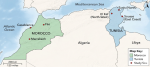
Study design and setting: this is a cross-sectional multicenter study conducted among herbalists in Tunisia and Morocco. The study sites were selected to ensure geographical, bioclimatic, and socio-economic diversity in the representation of traditional herbal medicine across both countries. In Tunisia, the study was carried out in three regions: Tunis (North), Sousse (East coast), and El Kef (North-West) between September 1, 2022, and February 28, 2023. In Morocco, the study took place in the cities of Casablanca (West coast), Fés (North), and Marrakech (central region) from October 15 to December 15, 2022. The locations of the study sites are shown in Figure 1. The map was generated using an AI-assisted design tool (Google AI) and subsequently manually refined to ensure accurate representation of the study locations and scientific clarity.
Study population: for the purpose of this study, a herbalist was defined as a person practicing in a traditional market (souk) who sells medicinal plants and provides advice on their use based on reported or observed symptoms. All herbalists practicing in traditional markets (souks) and providing advice on medicinal plants based on reported or observed symptoms were eligible. Herbalists working as itinerant vendors were excluded. Participation was voluntary, and oral informed consent was obtained before inclusion, following a brief presentation of the study.
Sampling method
Herbalist's: given the absence of an official register of practicing herbalists, participants were recruited directly from the selected traditional markets (souks) in the study areas. All herbalists who met the predefined eligibility criteria and were present in these markets during the data collection period were approached and invited to participate. Thus, all eligible herbalists encountered in the selected markets during the study period were enrolled. A total of 38 herbalists participated in the study, comprising 15 Tunisian and 23 Moroccan herbalists.
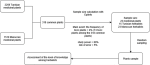
Medicinal plants: to construct a representative list of medicinal plants, the following steps were performed: i) compilation of Tunisian medicinal plants from the Catalogue Synonymique Commenté de la Flore de Tunisie [10-11], resulting in a total of 2,259 medicinal plant species; ii) compilation of Moroccan medicinal plants from the traditional Moroccan pharmacopoeia [12], resulting in a total of 1,519 medicinal plant species. iii) creation of a common plant list for both countries, resulting in a total of 318 medicinal plant species; iv) identification of toxic plants [13]. Among the 318 medicinal plant species, 13 were identified as toxic, corresponding to a frequency of approximately 4%; v) sample size calculation was performed using Epi Info®, based on the frequency of toxic plants of 4% as the main outcome, a statistical power of 80%, and a significance level of 5%, resulting in a minimum sample size of 23 plant species; vi) random sampling of the 23 plants from the common list was performed using SPSS® version 26.0. The sampling process is illustrated in Figure 2.
Data collection
Questionnaire development: data were collected via a structured questionnaire adapted from the literature and validated through: i) face and content validation by four pharmacists; ii) verification of the correspondence between Latin and vernacular plant names by a botanist; iii) pilot testing among herbalists excluded from the main study.
The questionnaire included three parts: i) sociodemographic data: age, sex, education level, experience, and origin. ii) professional information: mode of learning herbalism, training received, belief in Western medicines, and counseling practices. iii) knowledge assessment: plant identification, therapeutic indications, plant parts used, preparation methods, adverse effects, and potential substitute plants.
Questionnaire administration: the interviews were conducted by two pharmacy interns as part of their pharmacy thesis projects, one in Morocco and one in Tunisia. Herbalists were interviewed in the local language, with direct presentation of plant samples or color photographs. The same medicinal plant species and corresponding plant samples or color photographs were used in both countries to ensure comparability of the assessment. The herbalist was first asked to identify the plant. If the plant was not recognized, the correct identification was provided, and the questionnaire was then continued with questions regarding the drug used, therapeutic indications, preparation methods, potential adverse effects, and possible substitute plants. Herbalists’ anonymity was maintained by assigning identification numbers. A random subset of medicinal plants was assigned to each participant to assess their knowledge of these plants.
Evaluation of the information collected for each plant: to assess the herbalists' knowledge regarding the indications of the plant, the plant parts used, the method of preparation, the adverse effects, and substitute plants, two main sources were used: clinical studies available on PubMed and monographs from the European Medicines Agency (EMA). The search on these platforms was carried out using the Latin names of the selected plants as well as their synonyms defined in the Annotated Synonymous Catalogue of the Flora of Tunisia [8].
Knowledge assessment: each response was assigned a score of 0 or 1 according to completeness and correctness. Five aspects of each plant were assessed: i) plant recognition by macroscopic examination or photograph: score /1; ii) plant part/drug used: score /1; iii) therapeutic indication: score /1; iv) preparation method: score /1; v) potential adverse effect: score /1. The scoring of each response was as follows: i) correct and complete response: 1 point; ii) incorrect response: 0 points; iii) no response: 0 points; iv) incorrect and correct responses provided together: 0 points; v) partially correct response: 0.25 to 0.75 points, according to the number of correct response elements. The scoring of each response was as follows: i) correct and complete response: 1 point; ii) incorrect response: 0 points; iii)no response: 0 points; iv) incorrect and correct responses provided together: 0 points; v) partially correct response: 0.25 to 0.75 points, according to the number of correct response elements.
Plant identification: the plants were identified by Prof. Khalid Bekkouche, a specialist in plant taxonomy. Species were identified based on morphological characters using standard regional floras and taxonomic keys. Identification was performed by an experienced taxonomist. However, voucher specimens were not deposited due to the nature of the study.
Statistical analysis: qualitative variables were expressed as frequencies and percentages; quantitative variables as mean ± standard deviation or median (interquartile range), depending on data distribution assessed using the Shapiro-Wilk test. For the comparison of herbalists' knowledge between Tunisia and Morocco, bivariate analysis included the chi-square test or Fisher exact test, as appropriate, for categorical variables, Student' s t-test for comparison of continuous variables between two groups, ANOVA for comparison of continuous variables among more than two groups, and Pearson correlation for assessing the correlation between quantitative variables. To identify factors potentially associated with herbalists’ knowledge, multivariate analysis was performed using multiple linear regression. The factors that showed a significant threshold in the bivariate analysis or had a p-value ≤0.2, as well as those defined in the literature as potential influencers, were included in the multivariate analysis. PSPP® software was used for statistical analysis.
Ethical considerations: this study was conducted based on voluntary participation in an ethnobotanical survey. Verbal informed consent was obtained from all informants before data collection. Participants were informed of their right to withdraw at any time. No personal or sensitive data were collected, and anonymity was strictly maintained. It was carried out in the context of a doctoral research project in pharmacy and was not submitted to an institutional review board or ethics committee at the time of data collection. Therefore, no formal ethical approval was obtained for the study.
Information on selected medicinal plants
Botanical families of the selected plants: a total of twenty-three (23) medicinal plant species were identified through a sampling procedure. These data are presented in Table 1, which lists the taxonomic classification of each species, as well as its scientific, vernacular, and French names. The 23 sampled plants belong to 15 different botanical families. The most represented families were Lamiaceae, Aizoaceae, Asteraceae, Brassicaceae, Ranunculaceae and Solanaceae.
Description of the herbalist population: the herbalists' socio-demographic characteristics are given in Table 2. The study included 38 herbalists, 15 from Tunisia and 23 from Morocco. The majority had an urban background (89.5%), with a slightly higher proportion in Morocco (95.7%) than in Tunisia (80%). Most participants were men (92.1%). Educational levels differed significantly between the two groups (p = 0.02). In Tunisia, most herbalists had secondary (60%) or university education (20%), while in Morocco, the majority had primary (43.5%) or secondary education (47.8%). Two herbalists in Tunisia (13.3%) were illiterate, whereas none were in Morocco. Specific training in herbalism was reported only among Tunisian herbalists (26.7%), and was absent in Morocco (p = 0.02). Almost all herbalists had access to updated information on medicinal plants (94.7%), with no significant difference between groups. Regarding sources of learning, Tunisian herbalists mainly relied on the web (46.7%) and books (33.3%), while Moroccan herbalists primarily relied on word of mouth (60.9%). This difference was significant (p = 0.02). Belief in allopathic medicine was reported by 44.7% of participants overall, without significant differences between Tunisia and Morocco. Among those rejecting allopathy, the main reason was trust in the effectiveness of medicinal plants (71.4%). Plant identification methods differed markedly between the two groups (p < 0.001): Tunisian herbalists often used labeling (40%), while all Moroccan herbalists relied on organoleptic characteristics (100%). The mean age of participants was 46.2 ± 16.8 years, slightly younger in Tunisia (41.7 ± 11.8) than in Morocco (48.5 ± 19.0), with no significant difference. The average experience was comparable in both groups (24.3 ± 15.4 years).
Exploration of data relating to selected medicinal plants: among Tunisian herbalists, only 37.8% (51/135) of the cited plants were correctly recognized based on macroscopic features, while the majority (62.2%) were not correctly identified. In contrast, Moroccan herbalists showed a much higher recognition rate, with 62.3% (43/69) of plants correctly identified compared to 37.7% not recognized (Table 1). Overall, Moroccan herbalists relied more consistently on macroscopic features than their Tunisian counterparts, and this difference was statistically significant (χ2= 11.07, p = 0.001). In this study, ''availability'' refers to the presence of the medicinal plant in the herbalist’s shop at the time of the survey. The availability of medicinal plants was compared between the Tunisian and Moroccan samples. In Tunisia, out of 135 observations, 52 (38.5%) plants were available, while in Morocco, out of 69 observations, 23 (33.3%) were available. Overall, out of 204 observations, 75 (36.8%) plants were available. The difference in availability between the two countries was not statistically significant (χ2= 0.566, p = 0.45), indicating similar patterns of plant availability in both settings. More details are provided in Table 1.
Herbalist’s knowledge
Knowledge level per plant: Table 3 presents the knowledge level per plant. The overall median knowledge score per plant was 2.25 (0-5). The median score was higher in the Moroccan group (4.75 (0-7) vs 1.67 (0-3.81) than in the Tunisian group, p <0.001). Knowledge levels differed significantly between Tunisian and Moroccan herbalists (Chi-square test, p < 0.001). In the Tunisian sample, a total of 135 herbalist-plant observations were recorded across all assessed plants: 90 observations (66.7%) were classified as low knowledge, 34 (25.2%) as medium, and 11 (8.1%) as high. In contrast, 69 herbalist-plant observations were recorded in the Moroccan sample: 27 (39.1%) were low, 33 (47.8%) medium, and 9 (13.0%) high. These results indicate that a larger proportion of Tunisian observations fell into the low knowledge category compared to Moroccan observations (66.7% vs. 39.1%), while Moroccan herbalists showed higher proportions of medium-level knowledge (47.8% vs. 25.2%) and slightly higher high-level knowledge (13.0% vs. 8.1%). These findings highlight variability in the depth of knowledge of medicinal plants between the two countries.
Client-herbalist relationship: when analyzing the client-herbalist relationship regarding the provision of advice, 20 herbalists in Morocco (87.0%) reported always giving advice compared to 10 herbalists (66.7%) in Tunisia, while 3 Moroccan herbalists (13.0%) and 5 Tunisian herbalists (33.3%) reported giving advice only sometimes. The chi-square test showed no statistically significant difference between the two groups (χ2= 1.19, p = 0.27).
Factors associated with herbalists' plant knowledge: a multivariate linear regression model including age, gender, education level, professional experience, country, source of learning, and access to updated information on medicinal plants explained 10.5% of the variance in herbalists' plant knowledge scores (R2 = 0.105; adjusted R2 = 0.072). The overall model was statistically significant (ANOVA F (7,193)= 3.229, p= 0.003), indicating that the set of predictors significantly improved model fit compared to a null model (Table 4). Overall, while the model was statistically significant, the individual effects of predictors were weak, suggesting that the associations observed in bivariate analyses may be partly explained by confounding between variables.
The current research has been conducted against the background of a rising global interest in the use of medicinal plants, considering both their therapeutic values and their cultural significance and place in traditional knowledge systems. In North Africa, especially in Tunisia and Morocco, folk medicine is well established and remains easily accessible and affordable compared to contemporary medicine. Herbal use in these countries constitutes a vital cultural heritage. The comparative study of the knowledge of herbalists in Tunisia and Morocco offers unique perspectives on the connections and differences between two interrelated traditions. A study of this nature goes beyond anthropology. It can inform policies aimed at improving the training of traditional herbalists, advocate for the adoption of more evidence-based methods, and highlight the importance of traditional herbal medicine for public health and sustainable development.
Sampling: this multicentric study provides a comparative assessment of the knowledge of herbalists in Tunisia and Morocco, two countries where medicinal plants hold a central place in traditional healthcare practices. In Tunisia, 15 herbalists were included, while in Morocco, the sample comprised 23 participants. Although the sample sizes are modest, they remain informative considering the informal character of the profession and the absence of national registries. Similar small-scale surveys have been conducted in sub-Saharan Africa and Asia, confirming the difficulty of recruiting herbalists due to mistrust, informality, and geographic dispersion [14,15]. Thus, although generalizability is limited, the present study offers valuable preliminary insights.
Sociodemographic characteristics: the Tunisian group was composed predominantly of middle-aged herbalists with variable educational backgrounds, while the Moroccan group showed a broader age distribution but similarly low levels of formal training. Consistent with the literature from other African countries, where informal apprenticeship largely supersedes formal schooling in shaping herbalist practices, education, and age as well as years of practice in these contexts had little or no correlation with knowledge scores [16,17]. The lack of a formalized syllabus results in poor-quality knowledge, which supports the need for rigorous evidence-based continuing education.
Knowledge levels: The evaluation revealed convergent outcomes across the two countries. Overall, 39.5% of participants had low knowledge, while 60.5% had an acceptable level of knowledge. This aligns with a study in Ethiopia where significant proportions of herbalists lacked awareness of toxicities, contraindications, or herb-drug interactions [18]. In Morocco, herbalists were most familiar with the drug, whereas in Tunisia, many struggled with therapeutic indications and risks. Such knowledge gaps are alarming given the documented adverse events, ranging from hepatotoxicity to nephrotoxicity, associated with uncontrolled herbal use [19,20].
Factors influencing knowledge: neither age, years of practice, nor level of education predicted better knowledge scores in either country. Instead, the lack of access to scientific sources and the absence of structured training were identified as potential factors associated with knowledge in the descriptive and bivariate analyses. Previous evidence shows that herbalists trained through short, adapted modules demonstrate improved safety practices and patient counseling [21]. Thus, the implementation of continuing education program, simplified pharmacopoeias, and illustrated fact sheets could represent practical strategies to improve herbalist knowledge in both Tunisia and Morocco.
Regulatory frameworks and phytovigilance: the difference between Tunisia and Morocco lies in the fact that the former still lacks a specific regulatory framework governing the practice of herbalists, while the latter has developed a system of phytovigilance. In Tunisia, a national pharmacovigilance framework is in place, supported by Presidential Decree No. 2022-629, which defines the missions and organization of the National ''Chalbi Belkahia'' pharmacovigilance center, and by the Ministerial Order of August 23, 2022, which establishes the national guidelines for good pharmacovigilance practices [22,23]. However, this framework primarily concerns the safety monitoring of medicinal products and does not specifically regulate the independent practice of herbalists. In Morocco, phytovigilance is implemented through a dedicated phytovigilance unit within the Moroccan Poison Control and Pharmacovigilance Center (CAPM), as documented by national pharmacovigilance data [24]. Similar systems in Europe and Asia highlight the need to integrate phytovigilance into public health systems and to promote phytovigilance in interaction with the healthcare system [25,26]. More robust regulation in Tunisia, possibly through the establishment of a National Center for Medicinal Plants, could facilitate the authentication, quality control, labeling, reporting of adverse events, and supply chain and commercialization control of medicinal plants harvested in Tunisia. These measures will not only protect consumers but also strengthen the framework of the WHO Traditional Medicine Strategy 2014-2023 by aligning contemporary practices with traditional knowledge systems [27].
Strengths and limitations of the study: in terms of herbal knowledge in Tunisia and Morocco, this is the first study comparing herbalists' knowledge across different countries and is considered unique in North Africa regarding herbal medicine. The use of cross-country comparison is facilitated by the use of the same questionnaire. However, there are some limitations. Sample sizes are perhaps the most significant constraint to external validity. The data consist of self-reported responses that may not reflect the true behaviors of practitioners in real life. This study, which is subject to selection bias, is a useful starting point that underlines the significant gaps present in herbalists' knowledge. It establishes a baseline that can be used to design more complex international studies that will help improve policies, training, and regulation regarding this field.
The study conducted in Tunisia and Morocco found that most of the herbalists included in this study lacked knowledge about medicinal plants. This finding is crucial because it may have serious negative impacts on public health. Indeed, adverse effects, intoxications, and drug-plant interactions can occur. These results illustrate the urgent need for laws establishing a regulated scope of practice for herbalists, guided by specialization-tailored and continuous retraining. National herbal and phytovigilance centers would improve quality control, while pharmacovigilance would ensure safety. In this field, it is essential to develop illustrative materials and training modules, and to promote pragmatic collaboration in order to protect traditional knowledge, while fostering patient safety.
What is known about this topic
- In North Africa, especially in Tunisia and Morocco, herbalists play a crucial role in the use of medicinal plants;
- Knowledge related to medicinal plants vary considerably among herbalists.
What this study adds
- The present multicenter study assesses the level of knowledge of herbalists in Tunisia and Morocco, highlighting significant differences between the two countries;
- It identifies key factors associated with knowledge levels, including age, gender, and professional experience, and reveals important gaps that require targeted training and regulatory interventions.
The authors declare no competing interest.
Aïmen Abbassi: conceived the study, designed the methodology, performed the formal analysis, and drafted the original manuscript. Amira Horchani, and Khalid Bekkouche contributed to methodology, supervision, validation, and visualization. Hamza Ben Abdallah and Mariem Kchaou contributedto the study activities in Tunisia and Morocco, respectively Amira Horchani contributed to the review and editing of the manuscript. All authors contributed to data interpretation.All the authors have read and agreed to the final manuscript.
The authors would like to thank the two pharmacy interns who conducted the interviews as part of their pharmacy thesis projects, one in Morocco and one in Tunisia.No funding was received for this study, and no external contributions were involved in the study design, data collection, analysis, interpretation, or manuscript preparation.
Table 1: taxonomic hierarchy of medicinal plants sampled in the field survey among herbalists (N = 38) in Tunisia (Tunis, Sousse, El Kef) and Morocco (Casablanca, Fès, Marrakech), according to their families, their scientific, and vernacular names
Table 2: sociodemographic characteristics of herbalists in Tunisia (Tunis, Sousse, El Kef) and Morocco (Casablanca, Fès, Marrakech), n = 38
Table 3: knowledge scores of medicinal plants among herbalists (N = 38) in Tunisia (Tunis, Sousse, El Kef) and Morocco (Casablanca, Fès, Marrakech), expressed as median (Q1-Q3)
Table 4: bivariate and multiple linear regression analysis of knowledge score per plant according to sociodemographic and professional variables among Tunisian and Moroccan herbalists (N = 38)
Figure 1: map of North Africa showing study sites in Tunisia (Tunis, Sousse, El Kef) and Morocco (Casablanca, Fès, Marrakech)
Figure 2: sampling process of medicinal plants
- Zakariya I, Ifezouane J, Addaoui A, Skalli S, Bouslimane Y. Evaluation of the therapeutic and toxicological knowledge of herbalists on the most notified plants in the poison control and pharmacovigilance center of Morocco. J Pharmacognosy Phytother. 2018 Aug 31;10(8):126-32. Google Scholar
- Usmani QI, Jahan N, Aleem M, Hasan SA. Aatrilal (Ammi majus L.) an important drug of Unani system of medicine: A review. J Ethnopharmacol. 2021 Aug 10:276:114144. PubMed | Google Scholar
- World Health Organization. World Health Organization establishes the Global Centre for Traditional Medicine in India. WHO. Geneva. 2022.
- Peprah P, Agyemang-Duah W, Arthur-Holmes F, Budu HI, Abalo EM, Okwei R et al. We are nothing without herbs’: a story of herbal remedies use during pregnancy in rural Ghana. BMC Complement Altern Med. 2019 Mar 15;19(1):65. PubMed | Google Scholar
- Karous O, Ben Haj Jilani I, Ghrabi-Gammar Z. Ethnobotanical study on plant used by semi-nomad descendants’ community in Ouled Dabbeb-Southern Tunisia. Plants (Basel). 2021 Mar 28;10(4):642. PubMed | Google Scholar
- Ben Ghezala H. Intoxication par les plantes en Tunisie. Éditions universitaires européennes. 2016. Google Scholar
- Durasnel P, Vanhuffel L, Blondé R, Lion F, Galas T, Mousset-Hovaere M et al. Intoxications graves lors de traitements traditionnels par les plantes à Mayotte. Bull Soc Pathol Exot. 2014 Dec;107(5):306-11. PubMed | Google Scholar
- Lahsissene H, Kahouadji A, Tijane M, Hseini S. Catalogue des plantes médicinales utilisées dans la région de Zaër (Maroc Occidental). Lejeunia: revue de botanique. 2009 Jan 1. Google Scholar
- Bouayyadi L, El Hafian M, Zidane L. Étude floristique et ethnobotanique de la flore médicinale dans la région du Gharb, Maroc. J Appl Biosci. 2015 Dec 7;93(1):8770-88. Google Scholar
- Boukef MK. Les plantes dans la médecine traditionnelle tunisienne. Agence de Coopération Culturelle et Technique. Paris. 1986. Google Scholar
- Le Floc'h E, Boulos L, Véla E. Catalogue synonymique commenté de la flore de Tunisie. Banque Nationale de Génes; Tunisie. 2010. Google Scholar
- Belakhdar J. La pharmacopée marocaine traditionnelle: médecine arabe ancienne et savoirs populaires 1997. Ibis PressParis. 1997. Google Scholar
- Hammiche V, Merad R, Azzouz M. Plantes toxiques á usage médicinal du pourtour méditerranéen. Springer Paris; 2013 Feb 5. Google Scholar
- Tilburt JC, Kaptchuk TJ. Herbal medicine research and global health: an ethical analysis. Bull World Health Organ. 2008 Aug;86(8):594-9. PubMed | Google Scholar
- James PB, Wardle J, Steel A, Adams J. Traditional, complementary and alternative medicine use in Sub-Saharan Africa: a systematic review. BMJ Glob Health . 2018 Oct 31;3(5):e000895. PubMed | Google Scholar
- Fakeye TO, Adisa R, Musa IE. Attitude and use of herbal medicines among pregnant women in Nigeria. BMC Complement Altern Med. 2009 Dec 31:9:53. PubMed | Google Scholar
- Abdullahi AA. Trends and challenges of traditional medicine in Africa. Afr J Tradit Complement Altern Med. 2011;8(5 Suppl):115-23. PubMed | Google Scholar
- Bayisa B, Tatiparthi R, Mulisa E. Use of herbal medicine among pregnant women on antenatal care at nekemte hospital, Western ethiopia. Jundishapur J Nat Pharm Prod. 2014 Sep 15;9(4):e17368. PubMed | Google Scholar
- Posadzki P, Watson L, Ernst E. Adverse effects of herbal medicines: an overview of systematic reviews. Clin Med (Lond). 2013 Feb;13(1):7-12. PubMed | Google Scholar
- Ekor M. The growing use of herbal medicines: issues relating to adverse reactions and challenges in monitoring safety. Front Pharmacol. 2014 Jan 10:4:177. PubMed | Google Scholar
- Ampomah IG, Malau-Aduli BS, Seidu AA, Malau-Aduli AEO, Emeto TI. Integrating traditional medicine into the Ghanaian health system: perceptions and experiences of traditional medicine practitioners in the Ashanti region. Int Health. 2023 Jul 4;15(4):414-427. PubMed | Google Scholar
- Journal Officiel de la République Tunisienne. Décret présidentiel tunisien n° 2022-629 du 14 juillet 2022, relatif au Centre national de pharmacovigilance 2022. Accessed 7 October 2026.
- Journal Officiel de la République Tunisienne. Arrêté du ministre de la Santé du 23 août 2022, fixant les directives relatives aux bonnes pratiques de pharmacovigilance 2022. Accessed 7 October 2026.
- Nchinech N, Khalfaoui H, Chabat A, Rhalem N, Soulaymani Bencheikh R, Achour S et al. Overview of medicinal plants-induced nephrotoxicity: A national pharmacovigilance study from Morocco. Toxicologie Analytique et Clinique. 2024 Dec 1;36(4):342-53. Google Scholar
- Barnes J. Pharmacovigilance of herbal medicines: a UK perspective. Drug Saf. 2003;26(12):829-51. PubMed | Google Scholar
- Shaw D, Graeme L, Pierre D, Elizabeth W, Kelvin C. Pharmacovigilance of herbal medicine. J Ethnopharmacol. 2012 Apr 10;140(3):513-8. PubMed | Google Scholar
- World Health Organization. WHO Traditional Medicine Strategy: 2014-2023. WHO; Genève. 2023.
Search
This article authors
On Pubmed
On Google Scholar
Citation [Download]
Navigate this article
Similar articles in
Key words
Tables and figures

Article metrics
Recently from the PAMJ





Authors´ services