
Efficacy and safety of selective versus dual endothelin receptor antagonists in pulmonary arterial hypertension: a systematic review and meta-analysis of randomized controlled trials
Maheshwara Ramanah, Sarvesh Nunkoo, Krissheeven Mooroogiah, Reeya Sanyukta Butchanah, Vrijesh Boopendra Dookhee, Jared Robinson, Indrajit Banerjee
Corresponding author: Indrajit Banerjee, Department of Pharmacology, Sir Seewoosagur Ramgoolam Medical College, Belle Rive, Mauritius 
Received: 15 Mar 2026 - Accepted: 25 Jun 2026 - Published: 02 Jul 2026
Domain: Cardiology,Pulmonology,Pharmacology
Keywords: Pulmonary arterial hypertension, endothelin receptor antagonist, Macitentan, Bosentan, Ambrisentan
Funding: This work received no specific grant from any funding agency in the public, commercial, or non-profit sectors.
©Maheshwara Ramanah et al. Pan African Medical Journal (ISSN: 1937-8688). This is an Open Access article distributed under the terms of the Creative Commons Attribution International 4.0 License (https://creativecommons.org/licenses/by/4.0/), which permits unrestricted use, distribution, and reproduction in any medium, provided the original work is properly cited.
Cite this article: Maheshwara Ramanah et al. Efficacy and safety of selective versus dual endothelin receptor antagonists in pulmonary arterial hypertension: a systematic review and meta-analysis of randomized controlled trials. Pan African Medical Journal. 2026;54:75. [doi: 10.11604/pamj.2026.54.75.52200]
Available online at: https://www.panafrican-med-journal.com//content/article/54/75/full
 PDF in process
 Systematic review and meta-analysis 

Efficacy and safety of selective versus dual endothelin receptor antagonists in pulmonary arterial hypertension: a systematic review and meta-analysis of randomized controlled trials
Efficacy and safety of selective versus dual endothelin receptor antagonists in pulmonary arterial hypertension: a systematic review and meta-analysis of randomized controlled trials
 Maheshwara Ramanah1, Sarvesh Nunkoo1, Krissheeven Mooroogiah1, Reeya Sanyukta Butchanah1, Vrijesh Boopendra Dookhee1, Jared Robinson2, Indrajit Banerjee3,&
&Corresponding author
Introduction: pulmonary arterial hypertension (PAH) is a rare, progressive disease characterized by elevated pulmonary arterial pressure. Although PAH remains incurable, pharmacological therapies such as phosphodiesterase-5 inhibitors including Sildenafil, tadalafil and vardenafil; endothelin receptor antagonists (ERAs) including Ambrisentan, Macitentan, Bosentan; and prostaglandin analogues such as Treprostinil and Epoprostenol can help retard disease progression. This systematic review and meta-analysis aim to evaluate the effectiveness and safety of dual ERAs compared to selective ERAs in PAH patients.
Methods: a thorough and in-depth search on PubMed, Cochrane Central Register of Controlled Trials (CENTRAL), TRIP, ScienceDirect, and Google Scholar was conducted to identify manuscripts relevant to the study, after which five randomized controlled trials met the inclusion criteria and were ultimately included in this meta-analysis. The research protocol was registered in PROSPERO (CRD420261295761) and conducted following Preferred Reporting Items for Systematic Reviews and Meta-Analyses 2020 guidelines. A quality assessment was performed using the ROB 2 tool. Subgroup analyses were conducted using forest plots to evaluate odds ratios, confidence intervals and heterogeneity. Patients included were treated with Ambrisentan, Macitentan, Bosentan or the placebo. The primary outcome was change in 6-minute walk distance (6-MWD); secondary outcomes included NT-proBNP levels, WHO functional class and adverse effects.
Results: for 6-MWD, the selective ERA subgroup showed a mean difference of -5.21 [-92.73, 82.31] with high heterogeneity (I2=91%, p=0.91), whereas the dual ERA subgroup showed 7.78 [-12.30, 27.85] with moderate heterogeneity (I2=61%, p=0.45). For NT-proBNP, selective ERAs showed -103.01 [-266.30, 60.28] with moderate heterogeneity (I2=44%, p=0.22), while dual ERAs showed -54.18 [-342.49, 234.13] with high heterogeneity (I2=85%, p=0.71). Dual ERAs demonstrated statistically significant improvements in WHO functional class versus placebo, whereas adverse effects were similar.
Conclusion: overall, dual ERAs appeared more effective for the 6-MWD test, while selective ERAs were better suited to reduce NT-proBNP levels. Further evaluation is required due to the statistical insignificance of pooled results.

Pulmonary artery hypertension (PAH) is a cardiopulmonary condition that is associated with an increase in pulmonary arterial pressure (PAP). This increase can, in turn, lead to the development of progressive right ventricular hypertrophy, right-sided heart failure, a decrease in the patient´s quality of life, and ultimately cause death [1]. High rates of depression, fatigue, psychological distress, mood swings, dyspnoea, chest pain, as well as dizziness have also been observed to lead to great morbidity and mortality [2]. Pulmonary artery hypertension has been classified into 5 different groups by WHO: PAH, PAH due to left heart disease, PAH due to lung diseases and/or hypoxia, PAH due to pulmonary artery obstructions, and PAH with unclear and/or multifactorial mechanisms [3].
Pulmonary artery hypertension can be caused by high shear stress, chronic hypoxia, genetic predisposition, or dysregulated TGF-β. These factors lead to various vascular events and the accumulation of immune cells within and around vessel walls, ultimately causing vascular remodelling, endothelial dysfunction, and increased peripheral vascular resistance. Pulmonary artery hypertension also causes an alteration in the secretion of vasodilators and vasoconstrictors along with imbalances in smooth muscle cells, fibroblast growth, thrombotic and inflammatory mediators, as well as signalling pathways such as BMP/TGF-β signalling [4]. Several treatment options have been approved by the U.S. Food and Drug Administration (FDA) for the treatment of PAH, including endothelin receptor antagonists (ERAs), phosphodiesterase type 5 inhibitors, prostanoids, selective prostacyclin receptor agonists and soluble guanylate cyclase stimulators [5]. Endothelin-1 (ET-1), a powerful endogenous vasoconstrictor and mitogen for smooth muscle cells, appears to be a cause in the pathogenesis of PAH [6]. Endothelin-1 is produced primarily by vascular endothelial cells and is overexpressed in the plasma and lung tissues of PAH patients. With the help of ERAs, targeting the ET-1 system may prove to be an effective treatment strategy [7]. Endothelin-1 mediates its effect by binding to two receptors, endothelin receptor A (ETA) and endothelin receptor B (ETB). Both receptors have been identified on vascular smooth-muscle cells and found to mediate vasoconstriction, whereas only the ETB receptor has been identified on endothelial cells, causing remodelling [8]
The dual ERAs are Bosentan and Macitentan, which bind to both ETA and ETB, whereas Ambrisentan is a selective ERA binding to ETA only. Bosentan is given at a dose of 62.5 milligrams (mg) orally twice daily and then increased to 125 mg orally twice daily accordingly, while macitentan is given at a dose of 10 mg orally once daily owing to its better tissue penetration [9]. Bosentan has demonstrated an improvement in 6-minute walk distance (6MWD), delay in clinical worsening, benefit in World Health Organization functional class (WHO-FC) [10], and Macitentan has shown a reduction in morbidity and mortality along with a decrease in both pulmonary vascular resistance (PVR) and PAH related hospitalisation [11].
There are many different outcomes that can be measured to evaluate treatment in PAH. These are 6MWD, N-terminal pro-brain natriuretic peptide (NT-proBNP) and the WHO-FC. The 6MWD is a widely used primary clinical outcome measure for evaluating treatment efficacy in PAH. Being a practical and reproducible method, it reflects the cardiopulmonary capacity of an individual and is used as both a diagnostic and prognostic marker in PAH patients [12]. A minimal important difference in 6MWD is the smallest change in distance seen as a result of improvement of treatment effects [13].
N-terminal pro-brain natriuretic peptide is a non-invasive biomarker released from ventricular myocytes in response to ventricular strain sustained in PAH due to an increase in PVR [14]. An increase in pro-BNP level can reflect the progression of PAH in terms of right ventricular systolic dysfunction and structural worsening and ultimately a decline in prognosis [15]. As a result, pro-BNP can be used for risk assessment and treatment monitoring in patients with PAH. World Health Organization functional class clinically categorizes patients with PAH based on their symptoms, ranging from Class I (no limitation of physical activity) to Class IV (symptoms at rest). WHO-FC is used in treatment guidelines to assess disease progression and treatment response [16]. Treatment modalities have shown clinical improvement and prevention of progression of functional class.
Despite the widespread use of both selective and dual endothelin receptor antagonists, their comparative effectiveness and safety remain uncertain and need to be evaluated due to their different receptor selectivity that can alter the clinical outcomes and adverse effects. Several randomized controlled trials (RCTS) and systematic reviews have either evaluated individual ERAs or compared ERAs with other classes of drugs, but no other studies have focused on comparing selective against dual endothelin receptor antagonists. This study aims to address this gap and provide evidence to inform clinical decision-making and update guidelines. The primary objective of this systematic review and meta-analysis is to compare the efficacy and safety of selective endothelin receptor antagonists versus dual endothelin receptor antagonists in pulmonary arterial hypertension.

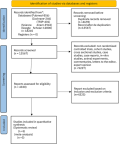
This systematic review and meta-analysis were performed using a frequentist approach. Preferred Reporting Items for Systematic Reviews and Meta-Analyses 2020 (PRISMA) guidelines were implemented during the conduct of this systematic review (Figure 1) [17].
Registration and protocol: registration of the review with PROSPERO, an international prospective register of systematic reviews, was attempted, following which this research protocol was registered under ID number: CRD420261295761. The full protocol can be accessed in PROSPERO [18].
Search Strategy: a thorough and in-depth approach was used on PubMed, Cochrane Central Register of Controlled Trials (CENTRAL), TRIP, ScienceDirect, and Google Scholar in order to identify manuscripts relevant to the study. A combination of keywords and Boolean operators was used for data extraction ((“Pulmonary Arterial Hypertension" OR "pulmonary arterial hypertension" OR "pulmonary artery hypertension" OR PAH OR "primary pulmonary hypertension”) AND (“Endothelin Receptor Antagonists" OR "endothelin receptor antagonist" OR bosentan OR ambrisentan OR macitentan OR sitaxentan OR darusentan)). The strategy employed in the search, along with the total number of articles screened, is presented in the PRISMA flow diagram (Figure 1).
PICOS Framework: the eligibility criteria for this systematic review and meta-analysis were defined according to the PICOS framework (Population, Intervention, Comparator, Outcomes, Study design) to ensure a structured and reproducible study selection process. Population (P): adult patients diagnosed with pulmonary arterial hypertension (PAH). Intervention (I): treatment with selective endothelin receptor antagonists (ERAs), primarily ambrisentan. Comparator (C): dual endothelin receptor antagonists, including bosentan and macitentan, or placebo when direct comparison between ERAs was not available. Outcomes (O): the primary outcome assessed was the change in six-minute walk distance (6MWD). Secondary outcomes included changes in NT-proBNP levels, changes in World Health Organization functional class (WHO-FC), and the occurrence of adverse effects such as peripheral oedema, headache, anaemia and right ventricular failure. Study design (S): Randomized Controlled Trials (RCTs) published in English between 2016 and 2026.
Eligibility criteria: the titles and abstracts of the retrieved articles were screened independently by two authors (MR and SN) using the inclusion criteria, and the full texts of the yielded articles were subsequently sought. Eligibility criteria were then applied to the retrieved set of articles by the same authors. Disputes were presented to the third author (MK), and a consensus was reached.
Inclusion criteria: all RCTs providing information on pulmonary artery hypertension and selective and dual endothelin receptor antagonists published between 2016 and 2026 were assessed and included in this study. Only RCTs conducted on adults were considered and evaluated. All patients diagnosed with pulmonary arterial hypertension and treated with endothelin receptor inhibitors initially were included. Studies where ERAs are used as monotherapy or in combination with other PAH therapies were included, provided both arms receive comparable background therapy. Full-text articles were included and assessed for eligibility in this systematic review. All the RCTS available in the English literature were included in the study.
Exclusion criteria: data resources, including non-randomized controlled trials, cohort studies, case-control studies, cross-sectional studies, case series, case reports, in vitro studies, animal experiments, commentaries, letters to the editor, expert opinions, and review articles, were omitted from this systematic review.
Data synthesis: data synthesis was performed independently by three researchers (MR, SN, and MK), and any discrepancies were resolved by the senior author, IB. The full-text RCTs that met the eligibility requirements were considered for the final selection. In total, five RCTs were considered for screening. Table 1 included the study authors and year, type of study, country of study, sample size, ERA type, drug used and duration, the change in 6MWD, NT-proBNP level, WHO functional class, and the adverse effects encountered.
Quality appraisal: the quality appraisal of the selected RCTs was assessed independently by three researchers (MR, SN and MK). The Cochrane risk-of-bias tool for randomized trials (RoB2) was used for quality assessment [19]. The RoB2 tool is best suited and implemented to assess the domains at low, unclear, and high risk of bias. The Risk-of-bias Visualization (ROBVIS) tool (a web-based application program) was used to generate the traffic light plots and the weighted bar plots [20].
Sample size calculation: sample size calculation was not performed for this systematic review, as all the Randomized Controlled Trials (RCTs) on pulmonary artery hypertension and selective and dual endothelin receptor antagonists meeting the inclusion criteria published between 2016 and 2026 were assessed and included in this study.
Data analysis: we analysed outcomes as continuous or dichotomous data using statistical techniques with a random-effects model accounting for between-study heterogeneity and incorporating data up to the end of follow-up. Predefined subgroup analyses were conducted based on the comparator type (selective ERAs vs dual ERAs), which explored the impact of the study sample size, weight of the study and study quality, with a p-value<0.05 considered statistically significant. Analyses were performed using statistical data from the RCTs and with the help of Review Manager (RevMan) version 8.11 (The Cochrane Collaboration, London, UK).
An extensive review of the literature search yielded a total of 18245 articles (PubMed: 856, Cochrane: 246, Trip: 401, ScienceDirect: 3942, and Google Scholar:12800). Among these, 4678 were noted as duplicates and were excluded from the initial analysis. Thus, 13567 manuscripts were screened after deduplication. Non-RCTs, cohort studies, cross-sectional studies, case-control studies, case series, case reports, in vitro studies, animal experiments, commentaries, letters to the editor, and expert opinions were additionally excluded (n=9237). A total of 4330 full-text articles were assessed for eligibility. Five RCTs were finally assessed for the Comparative effectiveness and safety of selective vs dual endothelin receptor antagonists in pulmonary arterial hypertension and were hence included in the systematic review for qualitative synthesis. Moreover, this systematic review and meta-analysis were performed with a frequentist approach. Preferred Reporting Items for Systematic Reviews and Meta-Analyses (PRISMA 2020) guidelines were followed and implemented during the production of this systematic review.
Risk of bias assessment
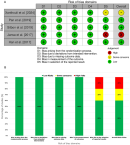
All the included RCTs underwent a quality assessment via the ROB2 tool. The results thereof indicate a low risk of Bias from randomisation process (low risk: 100%), low risk of Bias from intended interventions (low risk: 100%), bias due to missing outcome data (low risk: 100%), bias due measurement of outcome (low risk: 100%), Bias due to selection of reported results (low risk: 60%, some concerns: 20%, high risk: 20%) and overall risk of Bias to be as follows: (low risk:60%, some concerns: 20%, high risk: 20%) (Figure 2).
Therapeutic outcomes
Six-minute walk distance (m)
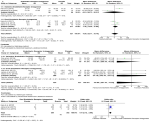
This forest plot represents a meta-analysis comparing the efficacy of Selective endothelin receptor antagonist vs dual endothelin receptor antagonist using 6-MWD (six-minute walk distance) as a primary outcome (Figure 3A).
Selective endothelin receptor antagonist: the overall mean difference was found to be -5.21 [-92.73, 82.31], indicating that clinically the placebo group showed a slightly better response as compared to the selective endothelin receptor antagonist group, though statistically insignificant. However, given that the confidence interval is extremely wide, it is unreliable. Very high heterogeneity (I2=91%, p-0.91) was observed because of high inconsistency between the 2 studies.
Dual endothelin receptor antagonist: the overall mean difference was found to be 7.78 [-12.30, 27.85], showing a more favourable outcome with dual endothelin receptor antagonist as opposed to the placebo group. However, the results were statistically insignificant. Moderate heterogeneity was noted (I2=61%, p=0.45).
Overall effects: the combined mean difference was found to be 4.29 [-22.17, 30.75], thus indicating a slightly better change for endothelin receptor antagonists than placebo even if the results are statistically insignificant. Dual endothelin receptor antagonists show more stable and clinically better outcomes as opposed to the selective ones. Heterogeneity was found to be high (I2=81%, p=0.78).
N-terminal pro-brain natriuretic peptide (pg/ml)
This forest plot represents a meta-analysis indirectly comparing the efficacy of Selective endothelin receptor antagonist vs dual endothelin receptor antagonist using NT-ProBNP (N-terminal probrain natriuretic peptide) as a secondary efficacy outcome (Figure 3B).
Selective endothelin receptor antagonist: the overall mean difference was found to be -103.01 [-266.30, 60.28], indicating that although the Selective endothelin receptor antagonist group was superior and more consistent when compared to the placebo group, the data were statistically insignificant. Moderate heterogeneity was noted. (I2=44%, p=0.22).
Dual endothelin receptor antagonist: the overall mean difference was found to be -54.18 [-342.49, 234.13], indicating that the dual endothelin receptor antagonist group showed clinically better responses compared to the Placebo group, but again the results were insignificant. Heterogeneity was substantial among the studies, suggesting considerable variability (I2=85%, p=0.71).
Overall effects: the combined mean difference was found to be -89.86 [-257.93, 78.20], indicating that the endothelin receptor antagonist group in general showed slightly more improvement as when compared to the placebo group, but the confidence intervals were too wide, showing statistically that the results were insignificant. Selective endothelin receptor antagonist were better when compared to dual endothelin receptor antagonists. High heterogeneity was noted once again (I2=81%, p=0.29).
Change in WHO functional class
This forest plot represents a meta-analysis comparing the efficacy of dual endothelin receptor antagonists vs placebo using the WHO functional class as a secondary outcome (Figure 3C).
Overall effects (dual endothelin receptor antagonists vs placebo): the overall pooled OR was found to be 1.70 [1.12, 2.59], indicating that the dual endothelin receptor antagonist group showed statistically significant and better outcomes when compared to the Placebo group. No heterogeneity was noted among the studies, suggesting high consistency (I2=0%, p=0.01).
Safety outcomes
Peripheral edema
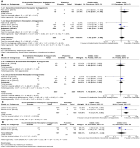
This forest plot represents a meta-analysis comparing the adverse effects of selective endothelin receptor antagonist vs dual endothelin receptor antagonist using peripheral edema as a safety outcome (Figure 4A).
Selective endothelin receptor antagonist: the overall pooled OR was found to be 2.73 [0.65, 11.40], indicating that the placebo showed more adverse effects when compared to the selective endothelin receptor antagonist group. However, the results were statistically insignificant. Heterogeneity was not applicable because only one study was available.
Dual endothelin receptor antagonist: the overall pooled OR was found to be 1.09 [0.41, 2.92], indicating that placebo showed slightly higher side effects as compared to dual endothelin receptor antagonist, but again the results were statistically insignificant and moderate heterogeneity was noted (I2=49%, p=0.86).
Overall effects: the combined pooled OR was found to be 1.32 [0.57, 3.06], indicating that there is no statistical superiority between the placebo group when compared to the endothelin receptor antagonist group, and moderate heterogeneity was noted (I2=46%, p=0.51).
An indirect comparison showed that dual endothelin receptor antagonists are slightly safer than selective endothelin receptor antagonists, even if the pooled OR is statistically inconclusive.
Headache
This forest plot represents a meta-analysis comparing the adverse effects of selective endothelin receptor antagonists vs dual endothelin receptor antagonists using headaches as a safety outcome (Figure 4B).
Selective endothelin receptor antagonist: the overall pooled OR was found to be 1.00 [0.25, 3.93], indicating that both the selective endothelin receptor antagonist group and placebo group did not show significant differences in adverse effects. Heterogeneity was not applicable.
Dual endothelin receptor antagonist: the overall pooled OR was found to be 1.15 [0.64, 2.06], indicating that the dual endothelin receptor antagonist showed no clinical superiority as compared to the placebo. Low heterogeneity was noted as the 3 studies were consistent. (I2=7%, p=0.64).
Overall effects: the combined pooled OR was found to be 1.12 [0.66, 1.92], indicating that there was no statistical difference in the safety profile between the endothelin receptor antagonists and the placebo. No heterogeneity was noted among the studies (I2=0%, p=0.86). There is no significant difference between the dual and selective endothelin receptor antagonist groups in relation to headache.
Anemia
this forest plot represents a meta-analysis comparing the adverse effects of dual endothelin receptor antagonist vs placebo using anemia as a safety outcome (Figure 4C).
Overall effects (dual endothelin receptor antagonists vs placebo): the overall pooled OR was found to be 4.12 [1.78, 9.53], indicating that the placebo group showed statistically significant adverse effects when compared to the dual endothelin receptor antagonist. This proves that dual endothelin antagonists are clearly safer. No heterogeneity was noted, which showed consistency among the studies (I2=0%, p=0.0009).
Right ventricular failure
This forest plot represents a meta-analysis comparing the adverse effects of dual endothelin receptor antagonist vs placebo using right ventricular failure as a safety outcome (Figure 4D).
Overall effects (dual endothelin receptor antagonist vs placebo): the overall pooled OR was found to be 0.87 [0.17, 4.43], indicating that even if dual endothelin receptor antagonist showed clinically more adverse effects when compared to the placebo group, the results are effectively statistically inconclusive. Moderate heterogeneity was noted among the studies (I2=55%, p=0.14).
Clinical outcome
Xanthouli et al. conducted an RCT (2024) in Germany which studied the effect of Ambrisentan 10 mg for a 2-year duration. The main outcomes were a reduction in 6MWD by 71.29 +/- 91.82 m, a reduction in NT-proBNP by 14.89 +/- 90.03 pg/ml, and no data were available concerning changes in WHO-FC; no serious side effects were recorded [21]. Similarly, an open-label study by, Ivy et al. (2024) with individualized ambrisentan dosages in paediatric patients showed that 29 of the 38 enrolled participants showed an increase in 6MWD by a mean of 58.4 m (SD 88.15), representing a mean increase of 17.0% (SD 34.3) and 13 out of 29 participants (45%) showed an improvement in WHO FC [22]. Leuchte et al. used plasma B-type Natriuretic peptide (BNP) as a parameter to correlate with hemodynamic and right ventricular echocardiographic severity in PAH, the level of which was found to be decreased from baseline by 45% in the 10mg Ambrisentan group [23]. Both studies showed a decrease in Natriuretic peptides, which is a highly desired effect when treating PAH. Although BNP is the active hormone and NT-proBNP its inactive counterpart, they can also be used as prognostic markers [24]. These studies showed a promising safety profile, similar to Xanthouli et al. who noted no serious side effects [21].
Pan et al. (2019) conducted an RCT of 38 patients with systemic sclerosis-associated early pulmonary vascular disease; 19 received placebo, and 19 received Ambrisentan. Baseline demographic, hemodynamic, functional, laboratory, as well as quality-of-life characteristics were generally comparable between the groups. The primary outcome, 6MWD, showed an increase from the baseline mean of 448.1 ± 82.6 m in the placebo group to 470.2 ± 77.0 m in the ambrisentan group (95% CI of difference ?30.46 to 74.67) [25]. Furthermore, WHO-FC distribution was comparable, and NT-proBNP levels were numerically higher in the ambrisentan group (267.8 ± 303.1 pg/ml vs. 123.4 ± 142.9 pg/ml; wide CI indicating variability. Hemodynamic measures at rest and peak exercise, echocardiographic findings, oxygenation indices, and laboratory parameters did not show clinically meaningful baseline differences/advantages [26].
Moreover, a similar study conducted by Klinger et al. (2011) substantiates the fact that in the long-term analysis of patients receiving Ambrisentan in the ARIES trials, 6MWD demonstrated a sustained but modest improvement. Among patients without follow-up of the post right heart catheterization (RHC), the mean increase in 6MWD was 44 ± 92 m at 1 year and 42 ± 92 m at 2 years, whereas those with follow-up RHC showed smaller gains of 24 ± 73 m and 24 ± 81 m at 1 and 2 years, respectively (observed data). WHO-FC indicated that patients undergoing follow-up RHC had more severe disease at baseline (75% in WHO class III/IV vs. 50% in the no-RHC group), though not numerically detailed. N-terminal pro-brain natriuretic peptide levels were monitored to support overall assessment of treatment response. Concerning adverse effects, peripheral oedema, headache, dizziness, right ventricular failure, worsening pulmonary hypertension and dyspnoea were reported, with higher annualized adverse-event rates observed in the follow-up RHC group. Overall, ambrisentan therapy was associated with sustained improvement in exercise capacity and significant hemodynamic benefits, with manageable adverse effects over long-term follow-up [26].
Galiè et al. (2008) compared the ARIES-1 and ARIES-2 trials evaluating Ambrisentan in PAH. The 6MWD showed a significant improvement at 12 weeks compared with placebo. In ARIES-1, the placebo-corrected mean increase was 31 m (95% CI 3-59; P=0.008) with 5 mg and 51 m (95% CI 27-76; P<0.001) with 10 mg. In ARIES-2, improvements were 32 m (95% CI 2-63; P=0.022) with 2.5 mg and 59 m (95% CI 30-89; P<0.001) with 5 mg, with a combined 5-mg effect of 45 m (95% CI 24-65; P<0.001). These benefits were observed across WHO-FC II and III and were more pronounced in idiopathic PAH. Regarding secondary outcomes, WHO-FC improved significantly in ARIES-1 (P=0.036) and in the combined 5-mg analysis (P=0.025), largely due to reduced clinical deterioration compared with placebo. BNP, a surrogate for NT-proBNP, decreased significantly in all ambrisentan groups (reductions of 29-45%, P?0.003), whereas it increased slightly in placebo groups. Time to clinical worsening improved significantly in ARIES-2 (P≤0.005 across doses) and in the pooled 5-mg analysis (P≤0.005). Concerning adverse effects, ambrisentan was generally well tolerated; peripheral edema, headache, and nasal congestion were more frequent than with placebo, but most events were mild to moderate. Serious adverse events were less frequent with ambrisentan (9.6%) than placebo (16.7%), and mortality was numerically lower (1.5% vs 4.5%). Overall, ambrisentan significantly improved exercise capacity, functional status and biomarker profiles, with acceptable safety [27].
A network meta-analysis conducted by Duo-ji et al. (2017) demonstrates the significant efficacy of Ambrisentan in PAH. For 6MWD, ambrisentan improved exercise capacity versus placebo with a weighted mean difference (MD) of about 30-45 m (95% CI ∼20-60 m), indicating a statistically and clinically meaningful benefit. It increased the likelihood of WHO-FC improvement and significantly reduced NT-proBNP levels, reflecting improved right ventricular function. Although peripheral edema was more common (OR >1), discontinuation rates were not significantly higher (95% CI >1), suggesting acceptable tolerability. Limitations included heterogeneity across trials, indirect comparisons, short follow-up and possible publication bias, but overall results supported ambrisentan as an effective and well-tolerated drug [28].
In 2019, Sitbon et al. published a randomised controlled trial evaluating the use of Macitentan in porto-pulmonary hypertension, PORTICO, where 10 mg of the drug was used for 12 weeks. This France-based RCT had the most noted side effects along with the other study we selected on Macitentan, Jansa et al. (2017). The change in 6MWD was found to be +6.4 +/-65.7 m, and the NT-proBNP levels were reduced by 30.8 +/- 722.7 pg /ml. There was also a 20.9% change in WHO-FC in the study. The side effects listed were peripheral edema (26%), headache (16%), right ventricular failure (7%), and anemia (5%) [29,30].
Jansa et al. (2017) investigated the combination therapy with macitentan, which has demonstrated significant clinical benefits across multiple outcome measures. The 6MWD showed a mean improvement of 17.9m from baseline at 6 months for patients receiving macitentan in addition to background PAH therapy, compared with a decrease of 7.8m in those receiving background therapy alone, corresponding to a treatment effect of 25.9m. Secondary outcomes also demonstrated improvement: patients on combination therapy were twice as likely to experience an improvement in WHO-FC, indicating better clinical symptom control and functional status. Additionally, NT-proBNP levels decreased significantly with macitentan, suggesting improved right ventricular function and reduced cardiac strain. Importantly, adverse effects were comparable between combination therapy and background therapy alone, with slightly higher incidences of anemia and bronchitis, but similar rates of peripheral oedema and treatment discontinuation, indicating that macitentan is generally well tolerated as part of the combination therapy. Collectively, these findings from the SERAPHIN trial support the efficacy and safety of macitentan-based combination therapy in improving exercise capacity, functional status, hemodynamic status, and quality of life in patients with PAH [30].
These are further substantiated by a meta-analysis conducted in 2023 by Dan Du and Ya-Dong Yuan. In it, a similar degree of reduction in NT-proBNP levels was noted (SMD of -0.22, 95% CI: -0.40--0.03, p<0.05). The mean 6WMD was 0.33 m, 95% CI: 0.15-0.50, p<0.05 when the patient was compared with their pre-treatment baseline but not with the placebo, which, when compared, showed no significant improvement of 6MWD (SMD = 0.02, 95% CI: -0.16-0.21, p = 0.826). They found peripheral edema, headache, bronchitis, and anaemia as the most common side effects during the Macitentan treatment. The change in WHO-FC could not be compared as data were scarce in the meta-analysis [31].
Han et al. (2017) conducted an RCT study in China where Bosentan 125 mg was used for 12 weeks. There was a slight increase in 6MWD by 0.86 +/-17.6 m (p<0.001). The NT-proBNP level was raised (144.4 +/- 207.9 pg/ml, with p= 0.01) and a 42.9% change in WHO-FC was seen. Exacerbated dyspnoea and cough were noted [32]. These findings correlate with those from the 2013 meta-analysis by Young Ho Lee and Gwan Gyu Song. Improvement in 6MWD of 46.19 m (95% CI,21.20 to 71.19 and p=0.00029) and clinical worsening was significantly lower (95% CI, 0.140 to 0.454, p=0.00000046) with Bosentan 125 mg. This dual ERA allowed a higher WHO-FC amelioration than in the placebo group (95% CI: 1.047 to 2.601, p= 0.031). The data obtained were all statistically significant with p<0.05. Lack of data on NT-proBNP levels, small sample size, and a relatively short duration of trial were the limitations of this meta-analysis [33]. These findings were further corroborated by the RCT done by Rubin et al. (2002). At week 16, patients treated with bosentan had an improved 6MWD; the MD between the placebo group and the combined bosentan groups was 44 m (95% CI: 21 to 67; P<0.001). Bosentan also improved WHO-FC and increased the time to clinical worsening [34].
This study compares the selective and dual endothelin receptor antagonists (ERAs) in PAH and demonstrated modest efficacy benefits. For 6-MWD, selective ERAs showed an MD of -5.21 meters [-92.73, 82.31] versus placebo, indicating a slightly worse but statistically insignificant outcome with a very high heterogeneity (I2=91%). In contrast, dual ERAs improved 6-MWD by 7.78 meters [-12.30, 27.85] compared to placebo, although this was also not statistically significant, with moderate heterogeneity (I2=61%). Overall, ERAs combined showed an MD of 4.29 meters [-22.17, 30.75] versus placebo, with dual ERAs showing more stable and clinically favourable outcomes. For NT-proBNP levels, selective ERAs reduced values by -103.01 pg/mL [-266.30, 60.28] and dual ERAs by -54.18 pg/mL [-342.49, 234.13] as compared to the placebo, though neither reached statistical significance. Notably, dual ERAs significantly improved WHO-FC compared to placebo (OR 1.70 [1.12, 2.59], I2=0%), highlighting a meaningful clinical benefit.
Safety
Regarding safety, both selective and dual ERAs were generally well tolerated. For peripheral oedema, selective ERAs had an OR of 2.73 [0.65, 11.40] and dual ERAs 1.09 [0.41, 2.92] versus placebo, with no statistically significant differences noted. The incidence of headaches was similar for selective ERAs (OR 1.00 [0.25, 3.93]) and dual ERAs (OR 1.15 [0.64, 2.06]), with low heterogeneity (I2=7%). Importantly, dual ERAs were associated with a significantly lower risk of anemia when compared to the placebo (OR 4.12 [1.78, 9.53], I2=0%), whereas right ventricular failure showed no significant difference (OR 0.87 [0.17, 4.43], I2=55%). Overall, dual ERAs demonstrated a slightly better balance of efficacy and safety, although high heterogeneity and wide confidence intervals in several outcomes limit the certainty of these findings.
Limitations
Several limitations were encountered in this systematic review and meta-analysis, including the screening of only RCTs published in the English language, which may have introduced language bias into the study. Some important points to consider as shortfalls in our study would include variable sample sizes in different RCTs being compared, different time frames of observation, and the 3 drugs not being compared to each other directly; instead, each was compared to a placebo. In the future, more RCTs should be done comparing Ambrisentan, Bosentan, and Macitentan directly.
Overall, this study suggests that dual endothelin receptor antagonists (bosentan and macitentan) may provide a slightly greater improvement in 6-minute walk distance (6MWD) and more consistent benefits in WHO functional class as compared to the selective ERA ambrisentan, whereas selective ERAs appear more favourable in reducing NT-proBNP levels. Both subclasses demonstrate modest clinical benefits in pulmonary arterial hypertension and effectively lower biomarkers of cardiac strain. Adverse effects were generally comparable between groups, with peripheral edema and headaches being most common; anemia was more frequently reported with macitentan, and bosentan requires liver function monitoring. Heterogeneity was present, but as pooled results were statistically insignificant, no definitive superiority can be established, and treatment decisions should remain individualized pending further high-quality comparative trials.
The authors declare no competing interests.
Conceptualization: Maheshwara Ramanah, Indrajit Banerjee. Methodology, investigation, data curation, formal analysis, and resources: Maheshwara Ramanah, Sarvesh Nunkoo, Krissheeven Mooroogiah, Reeya Sanyukta Butchanah, Vrijesh Boopendra Dookhee, Jared Robinson. Visualization, writing-original draft, writing-review, and editing: Maheshwara Ramanah, Sarvesh Nunkoo, Krissheeven Mooroogiah, Reeya Sanyukta Butchanah, Vrijesh Boopendra Dookhee, Jared Robinson, Indrajit Banerjee. Supervision: Indrajit Banerjee. All the authors have read and approved the final version of this manuscript.
The authors sincerely appreciate Dr. A.P. Singh, Principal and Professor, Department of Anatomy, SSR Medical College, Mauritius, for his constant support and encouragement.
Table 1: type of study, country, sample size, endothelin receptor antagonists (ERA type), drug used, duration of use, change in 6 MWD (m), change in NT-proBNP (pg/ml), change in WHO functional class, and most common adverse effects encountered
Figure 1: Preferred Reporting Items for Systematic Reviews and Meta-Analyses 2020 (PRISMA) flow chart
Figure 2: risk of bias for Randomized Controlled Trials (RCTs)- 2; A) traffic light plot, 2; B) weighted bar plot
Figure 3: forest plots for therapeutic outcomes; A) 6-minute walk distance; B) N-terminal pro-brain natriuretic peptide; C) change in WHO functional class
Figure 4: forest plots for safety outcomes; A) peripheral edema; B) headache; C): anemia; D) right ventricular failure
- Czepiel K, Nagy N, Panjalingam T, Kalinowski A, Frymoyer AR, Karmouty-Quintana H et al. Randomised, placebo-controlled trial of oral hymecromone in adults with pulmonary hypertension. Thorax. 2025 Aug 15;80(9):632-640. PubMed | Google Scholar
- Stark AS, Rawlings GH, Gregory JD, Armstrong I, Simmonds-Buckley M, Thompson AR. A randomized controlled trial of self-help cognitive behavioural therapy for depression in adults with pulmonary hypertension. Br J Health Psychol. 2025 Sep;30(3):e12800. PubMed | Google Scholar
- Simonneau G, Montani D, Celermajer DS, Denton CP, Gatzoulis MA, Krowka M et al. Haemodynamic definitions and updated clinical classification of pulmonary hypertension. Eur Respir J. 2019 Jan 24;53(1):1801913. PubMed | Google Scholar
- Correale M, Mercurio V, Bevere EM, Pezzuto B, Tricarico L, Attanasio U et al. Pathophysiology of Pulmonary Arterial Hypertension: Focus on Vascular Endothelium as a Potential Therapeutic Target. Int J Mol Sci. 2025 Oct 2;26(19):9631. PubMed | Google Scholar
- Zhang YJ, Wang N, Gu ZC, Wei AH, Cheng AN, Fang SS et al. A network meta-analysis for safety of endothelin receptor antagonists in pulmonary arterial hypertension. Cardiovasc Diagn Ther. 2019 Jun;9(3):239-249. PubMed | Google Scholar
- Channick RN, Simonneau G, Sitbon O, Robbins IM, Frost A, Tapson VF et al. Effects of the dual endothelin-receptor antagonist bosentan in patients with pulmonary hypertension: a randomised placebo-controlled study. Lancet. 2001 Oct 6;358(9288):1119-23. PubMed | Google Scholar
- Galiè N, Beghetti M, Gatzoulis MA, Granton J, Berger RM, Lauer A et al. Bosentan therapy in patients with Eisenmenger syndrome: a multicenter, double-blind, randomized, placebo-controlled study. Circulation. 2006 Jul 4;114(1):48-54. PubMed | Google Scholar
- Krum H, Viskoper RJ, Lacourciere Y, Budde M, Charlon V. The effect of an endothelin-receptor antagonist, bosentan, on blood pressure in patients with essential hypertension. Bosentan Hypertension Investigators. N Engl J Med. 1998 Mar 19;338(12):784-90. PubMed | Google Scholar
- Ataya A, Cope J, Alnuaimat H. A Review of Targeted Pulmonary Arterial Hypertension-Specific Pharmacotherapy. J Clin Med. 2016 Dec 6;5(12):114. PubMed | Google Scholar
- van der Plas MN, Duffels MG, Ponse D, Mulder BJ, Bresser P. Bosentan in mild pulmonary hypertension. Lancet. 2008 Nov 15;372(9651):1730; author reply 1731. PubMed | Google Scholar
- Pulido T, Adzerikho I, Channick RN, Delcroix M, Galiè N, Ghofrani HA et al. SERAPHIN Investigators. Macitentan and morbidity and mortality in pulmonary arterial hypertension. N Engl J Med. 2013 Aug 29;369(9):809-18. PubMed | Google Scholar
- Souza R, Channick RN, Delcroix M, Galiè N, Ghofrani HA, Jansa P et al. Association between six-minute walk distance and long-term outcomes in patients with pulmonary arterial hypertension: Data from the randomized SERAPHIN trial. PLoS One. 2018 Mar 28;13(3):e0193226. PubMed | Google Scholar
- Mathai SC, Puhan MA, Lam D, Wise RA. The minimal important difference in the 6-minute walk test for patients with pulmonary arterial hypertension. Am J Respir Crit Care Med. 2012 Sep 1;186(5):428-33. PubMed | Google Scholar
- Chin KM, Rubin LJ, Channick R, Di Scala L, Gaine S, Galiè N et al. Association of N-Terminal Pro Brain Natriuretic Peptide and Long-Term Outcome in Patients With Pulmonary Arterial Hypertension. Circulation. 2019 May 21;139(21):2440-2450. PubMed | Google Scholar
- Gan CT, McCann GP, Marcus JT, van Wolferen SA, Twisk JW, Boonstra A et al. NT-proBNP reflects right ventricular structure and function in pulmonary hypertension. Eur Respir J. 2006 Dec;28(6):1190-4. PubMed | Google Scholar
- Dalavina J, Costa IP, FarahTeixeira de Carvalho E, Silva JL, Silva SM, Malosá Sampaio LM. Severity Classification of Functional Impairment Based on ICF Qualifiers: A New Proposal for Assessing Individuals With Pulmonary Hypertension. Physiother Res Int. 2025 Jul;30(3):e70090. PubMed | Google Scholar
- Moher D, Liberati A, Tetzlaff J, Altman DG. Preferred reporting items for systematic reviews and meta-analyses: the PRISMA statement. PLoS Med. 2009 Jul 21;6(7):e1000097. PubMed | Google Scholar
- Ramanah M, Nunkoo S, Mooroogiah K, Butchanah RS, Dookhee VB, Robinson J et al. Comparative effectiveness and safety of selective vs dual endothelin receptor antagonists in pulmonary arterial hypertension. A systematic review. PROSPERO 2026 CRD420261295761. Accessed on March 25, 2026.
- Sterne JA, Savović J, Page MJ, Elbers RG, Blencowe NS, Boutron I et al. RoB 2: a revised tool for assessing risk of bias in randomised trials. BMJ. 2019 Aug 28;366:l4898. PubMed | Google Scholar
- McGuinness LA, Higgins JP. Risk-of-bias VISualization (robvis): An R package and Shiny web app for visualizing risk-of-bias assessments. Res Synth Methods. 2021 Jan;12(1):55-61. PubMed | Google Scholar
- Xanthouli P, Uesbeck P, Lorenz HM, Blank N, Eichstaedt CA, Harutyunova S et al. Effect of ambrisentan in patients with systemic sclerosis and mild pulmonary arterial hypertension: long-term follow-up data from EDITA study. Arthritis Res Ther. 2024 Jul 18;26(1):136. PubMed | Google Scholar
- Ivy D, Beghetti M, Juaneda-Simian E, Ravindranath R, Lukas MA, Machlitt-Northen S et al. Long-term safety and tolerability of ambrisentan treatment for pediatric patients with pulmonary arterial hypertension: An open-label extension study. Eur J Pediatr. 2024 May;183(5):2141-2153. PubMed | Google Scholar
- Leuchte HH, Holzapfel M, Baumgartner RA, Ding I, Neurohr C, Vogeser M et al. Clinical significance of brain natriuretic peptide in primary pulmonary hypertension. J Am Coll Cardiol. 2004 Mar 3;43(5):764-70. PubMed | Google Scholar
- Dardi F, Boucly A, Benza R, Frantz R, Mercurio V, Olschewski H et al. Risk stratification and treatment goals in pulmonary arterial hypertension. Eur Respir J. 2024 Oct 31;64(4):2401323. PubMed | Google Scholar
- Pan Z, Marra AM, Benjamin N, Eichstaedt CA, Blank N, Bossone E et al. Early treatment with ambrisentan of mildly elevated mean pulmonary arterial pressure associated with systemic sclerosis: a randomized, controlled, double-blind, parallel group study (EDITA study). Arthritis Res Ther. 2019 Oct 26;21(1):217. PubMed | Google Scholar
- Klinger JR, Oudiz RJ, Spence R, Despain D, Dufton C. Long-term pulmonary hemodynamic effects of ambrisentan in pulmonary arterial hypertension. Am J Cardiol. 2011 Jul 15;108(2):302-7. PubMed | Google Scholar
- Galiè N. Ambrisentan for the treatment of pulmonary arterial hypertension: results of the ambrisentan in pulmonary arterial hypertension, randomized, double-blind, placebo-controlled, multicenter, efficacy (ARIES) study 1 and 2. Circulation. 2008 Jun 10;117(23):3010-9. PubMed | Google Scholar
- Duo-Ji MM, Long ZW. Comparative efficacy and acceptability of endothelin receptor antagonists for pulmonary arterial hypertension: A network meta-analysis. Int J Cardiol. 2017 May 1;234:90-98. PubMed | Google Scholar
- Sitbon O, Bosch J, Cottreel E, Csonka D, de Groote P, Hoeper MM et al. Macitentan for the treatment of portopulmonary hypertension (PORTICO): a multicentre, randomised, double-blind, placebo-controlled, phase 4 trial. Lancet Respir Med. 2019 Jul;7(7):594-604. PubMed | Google Scholar
- Jansa P, Pulido T. Macitentan in Pulmonary Arterial Hypertension: A Focus on Combination Therapy in the SERAPHIN Trial. Am J Cardiovasc Drugs. 2018 Feb;18(1):1-11. PubMed | Google Scholar
- Du D, Yuan YD. Efficacy and safety of macitentan for pulmonary hypertension: A meta-analysis. Clin Respir J. 2023 Nov;17(11):1117-1129. PubMed | Google Scholar
- Han X, Zhang Y, Dong L, Fang L, Chai Y, Niu M et al. Treatment of Pulmonary Arterial Hypertension Using Initial Combination Therapy of Bosentan and Iloprost. Respir Care. 2017 Apr;62(4):489-496. PubMed | Google Scholar
- Lee YH, Song GG. Meta-analysis of randomized controlled trials of bosentan for treatment of pulmonary arterial hypertension. Korean J Intern Med. 2013 Nov;28(6):701-7. PubMed | Google Scholar
- Rubin LJ, Badesch DB, Barst RJ, Galie N, Black CM, Keogh A et al. Bosentan therapy for pulmonary arterial hypertension. N Engl J Med. 2002 Mar 21;346(12):896-903. PubMed | Google Scholar
Search
This article authors
On Pubmed
On Google Scholar
Citation [Download]
Navigate this article
Similar articles in
Key words
Tables and figures

Article metrics
Recently from the PAMJ





Authors´ services
