
Incidental detection of sickle cell trait during routine HbA1c monitoring by HPLC: analytical and clinical implications in a Moroccan population
Fatima Zahra Koubali, Mohammed Aissaoui, Abdelmounim El Khemlichi, Imane Tlamçani, Moncef Amrani Hassani, Mustapha Mahmoud, Imane Benbella
Corresponding author: Fatima Zahra Koubali, Laboratory of Biochemistry, Centre Hospitalier Universitaire Hassan II, Fez, Morocco 
Received: 08 Mar 2026 - Accepted: 17 Jun 2026 - Published: 05 Aug 2026
Domain: Biochemistry,Laboratory medicine,Laboratory medicine
Keywords: High-performance liquid chromatography, sickle cell trait, capillary electrophoresis, vascular events, diabetes
Funding: This work received no specific grant from any funding agency in the public, commercial, or non-profit sectors.
©Fatima Zahra Koubali et al. Pan African Medical Journal (ISSN: 1937-8688). This is an Open Access article distributed under the terms of the Creative Commons Attribution International 4.0 License (https://creativecommons.org/licenses/by/4.0/), which permits unrestricted use, distribution, and reproduction in any medium, provided the original work is properly cited.
Cite this article: Fatima Zahra Koubali et al. Incidental detection of sickle cell trait during routine HbA1c monitoring by HPLC: analytical and clinical implications in a Moroccan population. Pan African Medical Journal. 2026;54:112. [doi: 10.11604/pamj.2026.54.112.52055]
Available online at: https://www.panafrican-med-journal.com//content/article/54/112/full
 PDF in process
 Case series 

Incidental detection of sickle cell trait during routine HbA1c monitoring by HPLC: analytical and clinical implications in a Moroccan population
Incidental detection of sickle cell trait during routine HbA1c monitoring by HPLC: analytical and clinical implications in a Moroccan population
Fatima Zahra Koubali1,&, Mohammed Aissaoui1, Abdelmounim El Khemlichi2, Imane Tlamçani2, Moncef Amrani Hassani2, Mustapha Mahmoud3, Imane Benbella1
&Corresponding author
Glycated haemoglobin (HbA1c) is widely used for diabetes monitoring and diagnosis. High-performance liquid chromatography (HPLC), the reference method for HbA1c measurement, also enables the detection of haemoglobin variants through abnormal chromatographic profiles. In Morocco, hemoglobinopathies, particularly sickle cell trait, remain underdiagnosed due to the absence of systematic detection programs. The objective of this study was to evaluate the ability of routine HbA1c measurement by HPLC to incidentally identify sickle cell trait and to describe the clinical characteristics of the affected patients in a Moroccan population. Consequently, we conducted a cross-sectional study in the Biochemistry Unit of Hassan II University Hospital in Fès between April 2024 and April 2025. HbA1c was measured using cation-exchange HPLC (Bio-Rad Variant II). Abnormal chromatograms were systematically confirmed by capillary electrophoresis. HbA1c results were withheld when HbS exceeded 30%, and alternative glycemic markers were recommended. Among 12,000 samples analysed, 25 cases of heterozygous sickle cell trait were identified (0.21%). HbS levels ranged from 24.9% to 40.8% and showed full concordance between HPLC and electrophoresis. Ten patients were diabetic, including three newly diagnosed cases. Several ischemic strokes occurred in patients under 50 years of age in whom sickle cell trait was incidentally identified but not integrated into clinical management. In Conclusion, routine HbA1c measurement by HPLC represents a valuable opportunity for the incidental detection of sickle cell trait in settings where hemoglobinopathies are under-recognised. Improved laboratory vigilance and closer clinician-laboratory collaboration may enhance glycemic assessment and vascular risk stratification in affected populations.

Glycated haemoglobin results from the slow, irreversible, non-enzymatic attachment of glucose to amine groups on globin chains. HbA1c has become a cornerstone marker for long-term glycemic monitoring. Since 2011, the World Health Organization has recommended its use for the diagnosis of diabetes owing to its analytical stability independent of fasting status and its lower susceptibility to pre-analytical variability [1]. High-performance liquid chromatography (HPLC) is considered the reference method for HbA1c quantification due to its automation, precision, and strong analytical specificity. Importantly, beyond HbA1c measurement, HPLC enables visualisation of haemoglobin fractions and may incidentally reveal haemoglobin variants through characteristic chromatographic abnormalities [2].
In Morocco, while the prevalence of diabetes is well established and routinely assessed, the burden of hemoglobinopathies particularly sickle cell disease (drepanocytosis) remains insufficiently documented and largely underdiagnosed, reflecting limited awareness and the absence of dedicated detection programs. In this context, chromatographic anomalies observed during routine HbA1c assays may constitute an unexpected yet valuable opportunity for the early recognition of sickle cell trait and other haemoglobin variants. More broadly, in settings where HbA1c testing is widely implemented but systematic identification of hemoglobinopathies is lacking, laboratory-based incidental detection may represent a pragmatic and cost-effective approach to case identification. This strategy is particularly relevant in African populations, where diabetes and sickle cell trait frequently coexist, with potential implications for glycemic assessment, vascular risk stratification, and overall clinical outcomes.
Our study reports several cases in which abnormal HbA1c chromatograms led to the incidental identification of haemoglobin variants. These findings highlight the importance of careful chromatogram interpretation in medical biology laboratories. Early identification of such variants may allow improved clinical management of patients and their families and underscores the analytical challenges associated with HbA1c measurements in diabetic patients carrying hemoglobinopathies. The objective of this study was to evaluate the ability of routine HbA1c measurement by HPLC to incidentally identify sickle cell trait and to describe the clinical characteristics of the affected patients in a Moroccan population.

Study design: a cross-sectional study was conducted to report cases of haemoglobin variants incidentally identified through abnormal HbA1c chromatograms, to highlight the importance of careful chromatogram interpretation, and discuss the clinical and analytical implications for diabetic patients carrying hemoglobinopathies.
Study setting: the study was conducted in the Biochemistry Unit of Hassan II University Hospital in Fès between April 1st 2024, and April 30th 2025, including both hospitalised and outpatient patients.
Participants: an exhaustive sampling approach was adopted, including all patients of Moroccan origin who underwent HbA1c testing in the Biochemistry Unit of Hassan II University Hospital in Fès during the study period, whether hospitalised or outpatients, and who had no prior history of blood transfusion. This approach aimed to ensure a homogeneous study population and to limit potential epidemiological confounding related to geographic origin. Among this population, patients in whom a haemoglobin variant specifically HbS was identified by HPLC and confirmed by capillary electrophoresis constituted the subgroup of interest and were included in the analysis. Patients with other hemoglobinopathies (HbC, HbE), those with elevated fetal haemoglobin (HbF) levels above age-specific reference values, as well as patients with incomplete records and duplicate entries, were excluded.
Variables: outcomes were the identification of heterozygous sickle cell trait confirmed by HPLC and haemoglobin electrophoresis, HbS percentage and relevant clinical events such as ischemic stroke or diabetes-related complications. No exposures, predictors, confounders, or effect modifiers were analysed, as the study was strictly descriptive.
Data collection and laboratory analysis: venous blood samples were collected in EDTA tubes. Samples were analysed on the same day or stored at 4 °C when necessary. HbA1c measurement was performed using cation-exchange HPLC (Bio-Rad Variant II). Chromatograms showing abnormal peaks suggestive of haemoglobin variants were systematically confirmed by capillary electrophoresis (Capillarys 2 Flex Piercing®) under alkaline and acidic conditions. When the HbS fraction exceeded 30%, HbA1c results were not reported, and alternative glycemic markers were recommended. Below this threshold, HbA1c results were reported with annotation.
Bias: potential sources of bias in this study include primarily selection bias, related to the single-centre setting and the prospective inclusion of samples, and measurement bias, related to the laboratory detection of haemoglobin variants. To minimise measurement bias, all abnormal HPLC chromatograms were systematically confirmed by haemoglobin electrophoresis under both alkaline and acidic conditions. No adjustment for confounders was performed due to the strictly descriptive nature of the study and the small sample size.
Statistical analysis: data were processed using Microsoft Excel 2012 and analysed using SPSS version 10. Quantitative variables were expressed as mean ± standard deviation, and qualitative variables as percentages. No analytical or inferential statistical analyses were performed due to the small sample size. The study was strictly descriptive, focusing on reporting the observed characteristics and outcomes of the identified cases.
Ethical considerations: this retrospective observational study was based on routinely collected anonymised laboratory data. No additional procedures were performed. According to institutional policy, formal ethical approval was not required. The study complied with the principles of the Declaration of Helsinki.
Study population and prevalence: a total of 12,000 blood samples were analysed over one year. Among these, 25 individuals were confirmed to carry the heterozygous sickle cell trait following initial detection of chromatographic abnormalities on HPLC and confirmation by haemoglobin electrophoresis under alkaline and acidic conditions, yielding a prevalence of 0.21%.
Analytical and biological findings: chromatographic abnormalities observed on HPLC were systematically confirmed by haemoglobin electrophoresis under alkaline and acidic conditions, validating the presence of heterozygous sickle cell trait. HbS levels averaged 37.69% (range 24.9-40.8%), fully consistent with the HPLC chromatograms. In accordance with current recommendations, HbA1c results were not reported when HbS exceeded 30%, and fructosamine testing was proposed as an alternative. For samples with HbS below 30%, HbA1c values were reported with an annotation regarding the presence of the variant.
Clinical characteristics: the affected individuals had a mean age of 51 ± 1 years (range 10-81) and a sex ratio (M/F) of 0.47. Slightly more cases were identified among outpatients (52%, n = 13) than hospitalised patients (48%, n = 12). Among outpatients, seven patients were diabetic: four previously known and three newly diagnosed. The newly diagnosed diabetic patients had a mean HbS level of 37.9% and were monitored using HbA1c assays. Among hospitalised patients, three were diabetic, with a mean HbS of 37.9%. Two were admitted for diabetes-related complications (coronary artery disease and diabetic foot), whereas the third was admitted for a vascular event. This latter patient, aged 47, with a two-year history of type 2 diabetes treated with oral agents, hypertension, and a prior ischemic stroke, was hospitalised for lower-limb ulcers. Glycemic evaluation revealed an HbS variant at 37%, prompting referral for specialised internal medicine management.
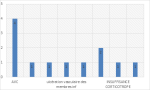
Vascular events: among hospitalised non-diabetic patients, four ischemic strokes occurred in individuals under 50 years of age without identifiable cardiovascular risk factors (except for one male patient). In all four cases, sickle cell trait was incidentally detected during etiological investigations but was not specifically addressed or incorporated into patient management (Figure 1).
Sickle cell disease is a genetic hemoglobinopathy with a high prevalence in Africa, where sickle cell trait affects a substantial proportion of the population, particularly in sub-Saharan regions [3,4]. In the Maghreb, reported prevalence remains lower, ranging from 0.8% to 4.5%, with approximately 1.2% in Morocco, although the absence of comprehensive national registries likely underestimates its true burden [5]. This under-recognition highlights the importance of alternative approaches for identifying haemoglobin variants in routine clinical practice (Table 1).
High-performance liquid chromatography (HPLC), widely used for HbA1c measurement, offers the advantage of simultaneously detecting haemoglobin variants through characteristic chromatographic profiles. In our study, all suspected variants identified by HPLC were systematically confirmed by electrophoresis, ensuring reliable diagnosis. This dual analytical approach is particularly relevant in settings where hemoglobinopathies are not routinely investigated. The presence of haemoglobin variants has important implications for the interpretation of HbA1c results. In patients with homozygous sickle cell disease, HbA1c measurement is unreliable and alternative markers such as fructosamine or glycated albumin are recommended [6]. In individuals with sickle cell trait, HbA1c may be interpreted with caution, provided that validated methods are used and chromatograms are carefully analysed in conjunction with clinical and biochemical data [6-8]. In our setting, the limited availability of alternative markers reinforces the importance of careful laboratory interpretation.
Our findings also highlighted the occurrence of vascular events, particularly ischemic strokes, in sickle cell trait carriers under 50 years of age. Although sickle cell trait is generally considered asymptomatic, growing evidence suggests a potential association with vascular complications [9]. This risk may be further increased in the presence of comorbidities such as diabetes, which can exacerbate vascular dysfunction through mechanisms involving oxidative stress, inflammation, and altered blood rheology [10].
In light of these observations, the incidental identification of sickle cell trait during routine HbA1c testing underscores a clinically relevant yet often overlooked opportunity for early recognition of a potential vascular risk factor. In the absence of national detection programs, laboratory-driven identification strategies may facilitate improved patient risk stratification, particularly in younger individuals presenting with unexplained vascular events. Integrating systematic reporting of haemoglobin variants into routine laboratory workflows could enhance preventive care, promote timely clinical follow-up, and strengthen interdisciplinary communication, especially in resource-limited settings.
This study highlights the pivotal role of HbA1c measurement by high-performance liquid chromatography (HPLC), not only as a reference tool for glycemic monitoring but also as a means of incidental detection of haemoglobin variants, particularly sickle cell trait, in the context of underdiagnosis of hemoglobinopathies in Morocco. The use of a validated HbA1c assay, combined with careful chromatogram analysis and clinico-biological correlation especially with fasting plasma glucose allows reliable interpretation of HbA1c results in individuals carrying sickle cell trait. However, in patients with homozygous sickle cell disease, alternative markers such as fructosamine or glycated albumin should be systematically used. Finally, close collaboration between laboratory specialists and clinicians is essential to improve diagnostic accuracy, vascular risk assessment, and overall patient management in at-risk populations.
What is known about this topic
- Heterozygous sickle cell trait is usually asymptomatic and often incidentally detected during laboratory tests;
- Haemoglobin variants can interfere with HbA1c measurements, leading to inaccurate glycemic assessment in diabetic patients;
- Detection of haemoglobin variants is important for accurate diagnosis and patient management but is not systematically performed in routine clinical laboratories.
What this study adds
- Incidental identification of heterozygous sickle cell trait occurred during routine HbA1c testing in 0.21% (25/12,000) of analysed samples;
- HbS levels ranged from 24.9% to 40.8%, with full concordance between HPLC and capillary electrophoresis;
- Several cases of ischemic stroke were observed in patients under 50 years of age in whom sickle cell trait had not been previously recognised.
The authors declare no competing interests.
Imane Benbella and Fatima Zahra Koubali contributed to the conceptualisation, methodology, data curation, formal analysis, validation, and writing of the manuscript, including both the original draft and review and editing. Mohammed Aissaoui and Abdelmounim El Khemlichi were responsible for the investigation and laboratory analysis. Imane Tlamçani, Moncef Amrani Hassani and Mustapha Mahmoud contributed to the critical revision of the manuscript. All authors read and approved the final version of the manuscript.
The authors acknowledge the healthcare professionals and technical staff involved in routine laboratory and clinical activities for their contributions to this study.
Table 1: reported prevalence of sickle cell trait (AS) and sickle cell disease (SS) across selected regions, including data from patients undergoing HbA1c testing at the Biochemistry Unit of Hassan II University Hospital, Fès, Morocco, April 2024-April 2025 (n = 12,000 samples)
Figure 1: distribution of hospitalized patients by reason for admission
- Zendjabil, M. L'hémoglobine glyquée : indication, interprétation et limites. Ann Pharm Fr. 2015;73(5):336-339. PubMed | Google Scholar
- Gillery, P. Le dosage de l'hémoglobine A1c en 2013. Médecine des maladies Métaboliques. 2013;7(3):256-261. Google Scholar
- Agasa B, Bosunga K, Opara A, Tshilumba K, Dupont E, Vertongen F, Cotton F, Gulbis B. Prevalence of sickle cell disease in a northeastern region of the Democratic Republic of Congo: what impact on transfusion policy? Transfus Med. 2010 Feb;20(1):62-5. PubMed | Google Scholar
- Afolayan JA, Jolayemi FT. Parental attitude to children with sickle cell disease in selected health facilities in Irepodun Local Government, Kwara State, Nigeria. Stud Ethno Med. 2011;5(1):33-40. Google Scholar
- Université (IMIST - Toubkal). Exploration d'une cohorte de 640 cas d'hémoglobinopathies colliges au laboratoire de Biochimie-Toxicologie de l'HMIMV de Rabat: Aspects épidémiologiques, cliniques et biologiques. Consulté le 22 déc 2025.
- Li M, Ge S, Shu X, Wu X, Liu H, Xu A et al. Interference of hemoglobin variants with HbA1c measurements by six commonly used HbA1c methods. Lab Med. 2024 Nov 4;55(6):708-712. PubMed | Google Scholar
- Lacy ME, Wellenius GA, Sumner AE, Correa A, Carnethon MR et al. Association of Sickle Cell Trait With Hemoglobin A1c in African Americans. JAMA. 2017;317(5):507-515. PubMed | Google Scholar
- Little RR, La'ulu SL, Hanson SE, Rohlfing CL, Schmidt RL. Effects of 49 Different Rare Hb Variants on HbA1c Measurement in Eight Methods. J Diabetes Sci Technol. 2015;9(4):849-856. PubMed | Google Scholar
- Tsaras G, Owusu-Ansah A, Boateng FO, Amoateng-Adjepong Y. Complications associated with sickle cell trait: a brief narrative review. Am J Med. 2009;122(6):507-512. PubMed | Google Scholar
- Diaw M, Pialoux V, Martin C, Samb A, Diop S, Faes C et al. Sickle cell trait exacerbates oxidative stress, abnormal hemorheology, and vascular dysfunction in type 2 diabetes. Diabetes Care. 2015;38(11):2120-2127. PubMed | Google Scholar
Search
This article authors
On Pubmed
On Google Scholar
Citation [Download]
Navigate this article
Similar articles in
Key words
Tables and figures

Article metrics
Recently from the PAMJ







Authors´ services
