Prevalence and distribution of HIV and associated risk factors among women aged 15-49 years attending antenatal care and prevention of mother-to-child transmission services in South Sudan, 2023: a cross-sectional study
Samuel John Aban Yor, Kamal Elbssir Mohamed Ali
Corresponding author: Samuel John Aban Yor, Department of Epidemiology, Faculty of Public and Environmental Health, Upper Nile University, Juba, South Sudan 
Received: 25 Jul 2025 - Accepted: 18 Jun 2026 - Published: 30 Jul 2026
Domain: HIV epidemiology
Keywords: Human immunodeficiency virus, antenatal care, South Sudan, maternal health, prevalence, prevention of mother-to-child transmission
Funding: This work received no specific grant from any funding agency in the public, commercial, or non-profit sectors.
©Samuel John Aban Yor et al. Pan African Medical Journal (ISSN: 1937-8688). This is an Open Access article distributed under the terms of the Creative Commons Attribution International 4.0 License (https://creativecommons.org/licenses/by/4.0/), which permits unrestricted use, distribution, and reproduction in any medium, provided the original work is properly cited.
Cite this article: Samuel John Aban Yor et al. Prevalence and distribution of HIV and associated risk factors among women aged 15-49 years attending antenatal care and prevention of mother-to-child transmission services in South Sudan, 2023: a cross-sectional study. Pan African Medical Journal. 2026;54:106. [doi: 10.11604/pamj.2026.54.106.48761]
Available online at: https://www.panafrican-med-journal.com//content/article/54/106/full
 PDF in process
 Research 

Prevalence and distribution of HIV and associated risk factors among women aged 15-49 years attending antenatal care and prevention of mother-to-child transmission services in South Sudan, 2023: a cross-sectional study
Prevalence and distribution of HIV and associated risk factors among women aged 15-49 years attending antenatal care and prevention of mother-to-child transmission services in South Sudan, 2023: a cross-sectional study
Samuel John Aban Yor1,&,  Kamal Elbssir Mohamed Ali2
&Corresponding author
Introduction: human immunodeficiency virus (HIV) remains a major public health challenge in South Sudan, disproportionately affecting women of reproductive age. However, data on its distribution and risk factors are limited. This study aimed to determine the prevalence, distribution, and risk factors associated with HIV among reproductive-aged women.
Methods: a cross-sectional study was conducted in July 2023; we used a questionnaire and laboratory tests to determine HIV status. Descriptive statistics were used to calculate frequencies and percentages, and binary logistic regression analysis was performed.
Results: a total of 602 women were included in the study. Overall, 27 women tested HIV-positive, yielding a prevalence of 4.5%. HIV prevalence was higher in urban areas and in the Equatoria Region. Multivariate analysis showed higher odds among younger women (aOR = 2.47; 95% CI: 1.37-4.44; p = 0.003), rural residents (aOR = 17.95; 95% CI: 4.14-77.85; p = 0.001), uneducated women (aOR = 5.46; 95% CI: 1.17-25.50; p = 0.031), primary education (aOR = 6.99; 95% CI: 1.37-35.66; p = 0.019), women from poor (aOR = 3.33; 95% CI: 1.25-8.88; p = 0.016) and middle-income households (aOR = 5.16; 95% CI: 1.61-16.58; p = 0.006), and married women (aOR = 10.25; 95% CI: 1.44-79.46; p = 0.020).
Conclusion: HIV prevalence among women in the country remains high and is associated with low educational attainment, rural residence, poor household wealth, and marital status. Strengthening female education, economic empowerment, and access to HIV prevention and care services is essential to reducing HIV transmission.

Access to comprehensive HIV prevention, testing, treatment, and care services is fundamental to improving human health and well-being. Ensuring equitable access to antiretroviral therapy (ART), counseling, and preventive interventions such as condom distribution and education programs is essential for reducing new infections and improving the quality of life for people living with HIV [1]. Globally, an estimated 39.9 million people were living with HIV in 2023, representing approximately 0.8% of adults aged 15-49 [2]. The risk of HIV infection is influenced by a combination of biological, behavioral, and structural factors. Key risk factors include unprotected sexual intercourse, multiple sexual partners, early sexual debut, and co-infection with other sexually transmitted infections (STIs) [3].
Despite global progress, significant disparities persist in access to HIV services, particularly among women, adolescents, and marginalized populations in sub-Saharan Africa [4]. Studies in the region have demonstrated marked urban-rural disparities in HIV prevalence, reflecting inequities in healthcare access, HIV testing, education, and prevention of mother-to-child transmission (PMTCT) services [5]. According to the 2023 Joint United Nations Programme on HIV/AIDS (UNAIDS) report, while efforts to expand HIV testing and treatment services have made progress, substantial gaps remain in reaching women in rural and marginalized communities. Approximately 60-70% of women of reproductive age have access to HIV testing, yet fewer than 50% consistently access ART or other preventive services [6].
South Sudan represents a particularly vulnerable context, where HIV is classified as a generalized epidemic. The determined adult HIV prevalence is 2.5%, with a higher prevalence of 3.0% among women aged 15-49 years, indicating a disproportionate burden of infection among women of reproductive age compared with men [7,8].
Structural and behavioral factors, including poverty, early marriage, transactional sex, and gender inequality, further increase women´s vulnerability to HIV infection [9]. These risks are compounded by ongoing conflict, internal displacement, cross-border population movement, and a weak health infrastructure, all of which undermine effective HIV prevention and care services [9].
As a result, HIV prevalence, morbidity, and mortality remain elevated among women in South Sudan [9]. Although prevention efforts are ongoing, antiretroviral therapy (ART) coverage remains critically low at approximately 18%, reflecting substantial gaps in access to treatment and continuity of care [9]. Moreover, educational attainment was independently associated with HIV serostatus among pregnant women attending antenatal care in South Sudan. In multivariable logistic regression analysis, women with no education had significantly lower odds of HIV infection compared to those with primary education. Overall, HIV continues to pose a major public health challenge in South Sudan, disproportionately affecting women of reproductive age [10].
Therefore, this study aimed to determine the prevalence of HIV among pregnant women of reproductive age in South Sudan and to identify key sociodemographic and structural factors associated with HIV infection. Specifically, the study sought to answer the following research questions: (1) What was the prevalence of HIV among pregnant women of reproductive age in South Sudan? (2) Were educational attainment, household income, employment status, place of residence, and geographic region associated with HIV serostatus? and (3) Which sociodemographic and structural factors remained independently associated with HIV infection after adjusting for potential confounding variables? By examining the regional distribution of HIV and its associations with selected socio-demographic characteristics, this study provides critical evidence to inform HIV prevention strategies, improve service delivery, and support targeted interventions for women at highest risk of HIV infection.

Study design and setting: a cross-sectional, study was conducted to determine the prevalence, distribution, and associated risk factors of HIV infection among pregnant women of reproductive age (15-49 years) in South Sudan. The study was conducted in South Sudan, a low-income, conflict-affected country in sub-Saharan Africa with a fragile health system [11,12]. The country has an estimated population of approximately 11.7 million, with women comprising about 52% of the population [13]. Data were collected in July 2023 from 21 selected health facilities across the country. The facilities represented both urban and rural settings in the major regions of South Sudan [13]. Living conditions are characterized by widespread poverty, low access to safe water (<50%) and sanitation (<7%), and high levels of female illiteracy [14].
Study population: the study population consisted of pregnant women of reproductive age (15-49 years) who attended antenatal care (ANC) services at the selected health facilities during the study period. Women were eligible for inclusion if they were pregnant, within the reproductive age range, and had undergone HIV testing during their ANC visit. Facility ANC registers and prevention of mother-to-child transmission (PMTCT) records were used to identify and enumerate eligible participants. Women with incomplete records, missing HIV test results, or those outside the defined reproductive age range were excluded from the study. Eligible participants constituted the sampling frame from which study data were obtained. The study was conducted in 21 health facilities providing antenatal care (ANC) services in South Sudan. These facilities were purposively selected based on their high patient volume and the availability of HIV testing services. Within each facility, all eligible women who attended during the study period were consecutively recruited until the required sample size was achieved. However, due to the limited number of clusters and the absence of significant intra-facility variability observed, clustering was not incorporated into the final model. Future studies should consider multilevel modeling approaches to account for facility-level effects.
Data resource and measurement
Data collection tool: data were collected using a structured questionnaire administered through face-to-face interviews and by reviewing laboratory records. The questionnaire was designed to collect socio-demographic, reproductive, and HIV-related information to address the study objectives of describing the characteristics of pregnant women attending antenatal care services and identifying factors associated with HIV infection. Laboratory records were reviewed to determine the proportion of women living with HIV attending the selected health facilities.
Selection of PMTC health facilities: the sample of the health facilities that provided ANC/PMTCT required to collect data was determined by using the Logistic Indicators Assessment Tool (LIAT) [15]. Out of 21 health facilities, 136 were selected to be included in the study. The sample size of women of reproductive age (15-49 years) was determined using non-probability cluster sampling.
Sample size: the required sample size was estimated assuming an HIV prevalence of 2.3% among pregnant women, with a margin of error of 1.15% and a 95% confidence level [16]. Using this assumption, the initial sample size was calculated to be 679. Since the total population of women attending the selected antenatal clinics was less than 10,000 (7,216), the sample size was adjusted for the finite population, resulting in a final sample size of 620 women of reproductive age (15-49 years).
Missing data statement: data were reviewed for completeness before analysis. Of the 620 records initially identified, 18(2.9%) contained incomplete or missing information on key study variables and were excluded from the analysis. A complete-case analysis approach was therefore used, resulting in a final analytical sample of 602 participants.
Study variables: outcome variable: HIV status. Independent variables: age, residence, education level, marital status, occupation status, number of co-wives, wealth status, and religion.
Operational definition
HIV status: HIV status was determined according to the national HIV testing algorithm of the Ministry of Health, South Sudan. Women with a positive HIV test result recorded in the ANC/PMTCT register were classified as HIV-positive, while those with a negative test result were classified as HIV-negative.
Educational level: educational attainment was categorized according to the highest level of formal education completed by the participant and recorded in the ANC register as: no formal education, primary education, secondary education, and higher education.
Place of residence: place of residence was classified as urban or rural based on the participant´s reported place of residence as documented in health facility records.
Age group: age was recorded in completed years and categorized into the following groups: 15-17, 18-24, 25-29, 30-39, 35-39, and 40-49 years.
Prevention of mother-to-child transmission services: this refers to the package of HIV prevention, testing, counseling, and treatment services provided to pregnant women during antenatal care to reduce the risk of HIV transmission from mother to child during pregnancy, delivery, and breastfeeding.
Statistical analysis: data were entered, cleaned, and analyzed using SPSS version 27. To address the first research question regarding the prevalence of HIV among pregnant women attending antenatal care services, descriptive statistics were used to estimate the proportion of women living with HIV. To address the second research question concerning the sociodemographic and geographical characteristics of the study population, frequencies, percentages, means, and standard deviations were used as appropriate. To address the third research question on factors associated with HIV infection, binary logistic regression analysis was performed to examine the relationship between HIV status and potential explanatory variables. Variables identified as significant predictors were retained in the final model to determine independent risk factors for HIV infection. Results were reported as adjusted odds ratios (AORs) with 95% confidence intervals (CLs), and statistical significance was determined using a p-value < 0.05, which guided the interpretation of the findings.
Ethical considerations: ethical approval was obtained from the Research Ethics Committee of the Ministry of Health, Government of South Sudan, and the Ethical Committee of the State Ministry of Health of the Republic of South Sudan (Ethical Approval Number: MOH/RERB/P/18B MOH/RER/A/15B/2023). Permission to conduct the study was granted by the relevant health authorities. All eligible participants were informed about the purpose, procedures, potential benefits, and potential risks of the study, and written informed consent was obtained prior to participation. Participation was entirely voluntary, and participants were informed of their right to decline or withdraw from the study at any time without any consequences. The confidentiality and anonymity of participants´ information were strictly maintained throughout the study.
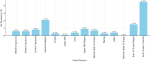
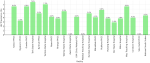
HIV prevalence among pregnant women of reproductive age: a total weighted sample of 602 pregnant women was included in the analysis. Overall, 27 women tested HIV-positive, yielding an HIV prevalence of 4.5% (27/602). HIV prevalence varied across sociodemographic groups. Higher prevalence was observed among women aged 30-34 years (19/80, 23.8%), women with no formal education (13 cases), those engaged in non-formal employment (12 cases), women first married at age 20-24 years (14 cases), and divorced women (17 cases). Regionally, the highest number of HIV-positive cases was reported in Western Equatoria, Eastern Equatoria, and Central Equatoria (Table 1, Figure 1, Figure 2).
Sociodemographic characteristics of the study participants: this study analyzed a weighted sample of 602 women (Table 2). Slightly more than half of the participants resided in rural areas (323, 53.7%), while 279 (46.3%) lived in urban settings. Nearly half of the women were aged 18-24 years (288, 47.8%), followed by those aged 25-29 years (110, 18.3%), 30-34 years (80, 13.3%), and 35-39 years (51, 8.5%). Women aged ≤18 years accounted for 51 (8.5%) participants, whereas those aged 40-45 years constituted the smallest proportion (22, 3.7%). Regionally, participants were drawn from Equatoria (200, 33.3%), Upper Nile (191, 31.8%), Bahr el Ghazal (188, 31.3%), and other regions (23, 3.8%). Almost half of the respondents had no formal education (280, 46.5%), and the majority identified as Christian (535, 88.9%). More than half of the women (318, 52.8%) lived below the poverty line, and 295 (49.0%) reported being married between the ages of 15 and 19 years.
Factors associated with HIV infection: bivariate logistic regression analysis identified several factors associated with HIV infection, including age, residence, education attainment, employment status, household wealth, and marital status (Table 3). Women aged below 18 years had significantly higher odds of HIV infection compared to those aged 40-45 years (COR = 2.46; 95% CI: 1.36-4.77; p = 0.003), whereas women aged 35-39 years had reduced odds (COR = 0.44; 95% CI: 0.23-0.83; p = 0.012). Rural residence was strongly associated with HIV infection (COR = 18.49; 95% CI: 4.18-81.73; p = 0.001). Educational attainment showed a graded association, with women having no education, primary/intermediate education, and secondary education experiencing progressively higher odds of HIV infection compared to those with university education. Employment status, household wealth, and marital status were also significantly associated with HIV infection. Women from poor households (COR = 50.21; p = 0.002), middle-income households (COR = 5.14; p = 0.030), married women (COR = 6.41; p = 0.003), and never-married women (COR = 9.42; p = 0.003) exhibited markedly increased odds.
After adjusting for potential confounders, residence, education attainment, employment status, household wealth, and marital status remained significantly associated with HIV (Table 4). Women aged below 18 years had higher odds of HIV infection compared to those aged 40-45 years (aOR = 2.47; 95% CI: 1.37-4.44; p = 0.003). Rural residents were nearly 18 times more likely to test HIV-positive than urban residents (aOR = 17.95; 95% CI: 4.14-77.85; p = 0.001). Educational level remained a strong predictor, with women lacking formal education or having primary, intermediate, or secondary education showing significantly higher odds of HIV infection than those with university education. Household wealth also remained significant, with women from poor and middle-income households experiencing increased odds of infection. Married women were over ten times more likely to be HIV-positive compared to cohabiting women (aOR = 10.25; 95% CI: 1.44-79.46; p = 0.020).
Factors associated with HIV infection: the unadjusted after adjusting for potential confounders, age, place of residence, education level, household wealth index, and marital status remained significantly associated with HIV infection, whereas occupation was not statistically significant in the adjusted model (Table 5). Women younger than 18 years had significantly higher odds of HIV infection compared with those aged 40-45 years (AOR = 2.471, 95% CI: 1.374-4.443; p = 0.003), while women aged 35-39 years had lower odds (AOR = 0.535, 95% CI: 0.287-0.999; p = 0.050). Rural residents were nearly 18 times more likely to be HIV-positive than urban residents (AOR = 17.949, 95% CI: 4.138-77.850; p < 0.001). Compared with women with university education or above, those with no education (AOR = 5.458, 95% CI: 1.168-25.499), primary/intermediate education (AOR = 6.997, 95% CI: 1.373-35.658), and secondary education (AOR = 10.543, 95% CI: 1.881-61.381) had significantly increased odds of HIV infection. Women from poor (AOR = 3.332, 95% CI: 1.250-8.883; p = 0.016) and middle-income households (AOR = 5.159, 95% CI: 1.606-16.577; p = 0.006) also had significantly higher odds of HIV infection than those from wealthy households. Married women had higher odds of HIV infection than women who were cohabiting (AOR = 10.250, 95% CI: 1.444-79.463; p = 0.020), while occupation was not independently associated with HIV infection after adjustment (p > 0.05) (Table 5).
Despite the limitations of this study, the study provides valuable evidence on HIV prevalence and associated sociodemographic factors among women of reproductive age in South Sudan. The overall prevalence of HIV among respondents was 4.5%, with higher prevalence observed among women of poorer socioeconomic status, consistent with global evidence that poverty increases vulnerability to HIV. This prevalence was slightly lower than reported in studies from Uganda (6%) and Kenya (8%) [17,18], reflecting potential differences in HIV epidemiology, access to health services, and effectiveness of prevention interventions across settings.
Several studies have reported higher HIV prevalence in urban areas compared to rural areas, often attributed to denser sexual networks and greater exposure to behavioral risk factors in urban settings [19]. However, our findings slightly differ from those observed in a multi-country study covering 26 African nations, which reported an overall HIV prevalence of 4.3% [19]. This discrepancy may reflect differences in study populations, access to health services, or regional variations in HIV epidemiology. Despite these differences, the findings underscore the importance of considering context-specific social and structural factors when designing HIV prevention and intervention programs.
Demographic characteristics of respondents were also associated with HIV infection. In our study, younger women had nearly three times higher odds of HIV infection compared to those aged 40-45 years. This increased risk may be attributed to factors such as higher sexual activity, limited access to health services, and inadequate HIV-related knowledge, attitudes, and preventive practices [20]. These findings are consistent with evidence from other sub-Saharan African settings, highlighting the vulnerability of younger women to HIV infection and the need for age-targeted prevention interventions [21].
The regression output also showed that the likelihood of women infected with HIV was affected by their place of residence. Our study found regional disparities in HIV infection, with the Equatoria Region having the highest HIV prevalence (2.1%). This finding was similar to that reported in the study conducted in Sub-Saharan Africa, which showed higher prevalence due to higher density and mobility, increased transmission risks, and unequal access to health services [22].
The study provides important insights into HIV prevalence and associated factors among women of reproductive age in South Sudan. Regression analysis conducted in 2023 showed that women with no formal education had five times higher odds of HIV infection, while those with primary or intermediate education had nearly seven times higher odds compared to women with university-level education. These findings are consistent with studies conducted in sub-Saharan Africa, which have similarly reported that lower educational attainment and related socioeconomic factors are associated with an increased risk of acquiring HIV [22].
However, our study indicated that women of reproductive age from lower-income households were more than three times as likely to be HIV positive, while those from middle-income households had over five times higher odds of being infected compared to wealthier women. Notably, women from lower-income households were more than three times as likely to be HIV positive, while those from middle-income households had over five times higher odds of infection compared to wealthier women. Similar associations have been reported in sub-Saharan Africa, where poverty increases vulnerability to HIV through limited access to education, healthcare, and preventive measures, as well as engagement in high-risk survival behaviors such as transactional sex [23,24].
Recent studies in sub-Saharan Africa have reported mixed associations between wealth and HIV risk. Andrus et al. (2021) found that wealthier individuals had higher odds of HIV infection, though the association weakened over time. Similarly, our study found a higher prevalence of HIV infection among women from wealthier households [25].
Our study indicated that half of the reproductive age women are more than three time likely to be infected with HIV. Although an association has been observed to be statistically significant between household´s wealth or income and HIV disease. This finding correlated with a study conducted by Fox AM, 2010. Which indicated association between poorer and middle-income households with HIV infection [26].
Working status was also had an associated with HIV risk factors, whereby non-working women had more change encountering HIV risk factors. Our study findings found that 2% of HIV cases were found among unemployed women. This is similar to another study conducted in sub-Saharan Africa [27]. Also our finding is no correlated with other studies which reported that working women had a higher chance of encountering HIV risk factors compared to non-working women. This may be explained on most informal jobs predispose women to risky behaviours, for instance, working in bars, guest-houses, and as sex workers, among others [28].
Our study showed that the marital status of individuals has been found to have a significant effect on the prevalence of the HIV epidemic. During the period of our study, we found unexpected result that shows married women over ten times more likely to be infected with HIV compared to cohabitating women. This finding is not correlated with a study conducted in SSA, which reported that unmarried women were more likely to have HIV risk factors [28].
Our study has several strengths, including its focus on women of reproductive age attending ANC/PMTCT services in multiple health facilities, which provides relevant insight into HIV prevalence and associated risk factors in South Sudan. The use of multivariable logistic regression allowed for adjustment for confounding factors, strengthening the validity of the identified associations. However, the study also has limitations. The cross-sectional design prevents causal inference, and findings may not be generalizable to all women in South Sudan, particularly those not attending health facilities. Additionally, some information, such as socioeconomic status and behavioral factors, was self-reported and may be subject to recall or social desirability bias. Despite these limitations, the study provides valuable evidence to guide targeted HIV prevention and intervention strategies in this population.
This study determined the prevalence of HIV infection among women in South Sudan and found it to be slightly lower than the average reported in sub-Saharan Africa. HIV prevalence varied significantly by age, region, and place of residence, education level, and household wealth. The main risk factors identified in this study included low education (no education or primary/secondary level), unemployment, and urban residence, poorer and middle household wealth, and marital status. These findings highlight the need for strengthened health promotion and prevention interventions, particularly in underserved rural areas.
What is known about this topic
- Human immunodeficiency virus infection in South Sudan is a preventable disease, and its transmission can be significantly reduced by providing women with access to PMTCT services across health facilities in the country;
- Human immunodeficiency virus infection during pregnancy remains a serious public health challenge in South Sudan and requires targeted attention, strengthened preventive strategies, and improved access to PMTCT services.
What this study adds
- This study found an HIV prevalence of 4.5 % among pregnant women aged 15-49 years attending ANC and PMTCT services in selected health facilities in South Sudan;
- The study identified significant socio-demographic determinants of HIV infection, including lower educational attainment, with women who had no formal education experiencing a substantially higher risk of HIV infection compared with those who had secondary or higher education;
- The findings provide evidence to support targeted HIV prevention, testing, and educational interventions among vulnerable groups of pregnant women to strengthen PMTCT programs and reduce mother-to-child transmission of HIV in South Sudan.
The authors declare no competing interests.
Samuel John Aban Yor: conceptualization, methodology, data curation, formal analysis, investigation, visualization, and writing-original draft; Kamal Elbssir Mohamed Ali: validation, supervision, project administration, review and editing. All the authors read and approved the final version of this manuscript.
This manuscript is based on research conducted as part of the requirements for the Doctor of Philosophy (PhD) degree in Public Health. The author gratefully acknowledges the support of Upper Nile University and the Ministry of Health, South Sudan, for facilitating access to data and ethical clearance.
Table 1: prevalence and geographical distribution of HIV infection among pregnant women aged 15-49 years (N=602) who attended antenatal care and prevention of mother-to-child transmission services in selected health facilities in South Sudan, March-May 2023
Table 2: sociodemographic characteristics of women aged 15-49 years (N=602) attending antenatal care and prevention of mother-to-child transmission services in selected health facilities in South Sudan, March-May 2023
Table 3: factors associated with HIV infection among pregnant women aged 15-49 years (N=602) attending antenatal care and prevention of mother-to-child transmission services in selected health facilities in South Sudan, March-May 2023
Table 4: factors associated with HIV infection among pregnant women attending antenatal care and prevention of mother-to-child transmission services in South Sudan (N=602), March-May 2023
Table 5: factors associated with HIV infection among pregnant women (N=602) attending antenatal care and prevention of mother-to-child transmission services in South Sudan, March-May 2023
Figure 1: HIV prevalence by state/region in South Sudan, 2023
Figure 2: bar chart displaying HIV prevalence by health facility across South Sudan, 2023
- World Health Organization. Consolidated guidelines on HIV prevention, testing, treatment, service delivery and monitoring: recommendations for a public health approach. 2021.
- Kaiser Family Foundation. The Global HIV/AIDS Epidemic: Key Facts. 2024. Accessed 25th July, 2025.
- Joint United Nations Programme on HIV/AIDS. The path that ends AIDS. 2023.
- World Health Organization. HIV and AIDS: Key facts. 2025. Accessed 25th July, 2025.
- Allorant A, Kuchukhidze S, Stannah J, Xia Y, Masuku SS, Ekanmian GK et al. Socio-demographic and geographic disparities in HIV prevalence, HIV testing and treatment coverage: An analysis of 108 national household surveys in 33 African countries. J Int AIDS Soc. 2025 Aug;28(8):e70024. PubMed | Google Scholar
- National Agency for the Control of AIDS. 25 Years of Community Transformation. 2023. Accessed 25th July, 2025.
- South Sudan HIV/AIDS Commission. South Sudan revised national HIV and AIDS strategic plan 2021 - 2023. 2020. Accessed 25th July, 2025.
- Joint United Nations Programme on HIV/AIDS. 2021 UNAIDS Global AIDS Update: Confronting inequalities: Lessons for pandemic responses from 40 years of AIDS. 2021.
- National Agency for the Control of AIDS. National HIV/AIDS Strategic Plan (2023-2027). 2023.
- Joint United Nations Programme on HIV/AIDS (UNAIDS). South Sudan. Accessed 25th July, 2025.
- Japan International Cooperation Agency. Where We Work: South Sudan. Accessed 25th July, 2025.
- U.S. President's Emergency Plan for AIDS Relief (PEPFAR). Republic of South Sudan Country Operational Plan (COP) 2021 Strategic Direction Summary. 2021. Accessed 25th July, 2025.
- World Bank. South Sudan. Accessed 25th July, 2025.
- The U.S. Agency for International Development (USAID), Deliver Project, Task Order 1. Logistics indicators assessment tool (LIAT). 2008.
- Cochran WG. Sampling techniques. John Wiley & Sons. 1977;3.
- Ministry of Health, Republic of South Sudan. South Sudan: HIV Prevalence from Antenatal Surveillance, 2012. 2013. Accessed 25th July, 2025.
- Uganda AIDS Commission. Annual joint AIDS review report FY 2021/22. 2022. Accessed 25th July, 2025.
- Gedefie A, Muche A, Mohammed A, Ayres A, Melak D, Abeje ET et al. Prevalence and determinants of HIV among reproductive-age women (15-49 years) in Africa from 2010 to 2019: a multilevel analysis of demographic and health survey data. Front Public Health. 2025 Jan 24;12:1376235. PubMed | Google Scholar
- Wright ST, Hoy J, Mulhall B, O'Connor CC, Petoumenos K, Read T et al. Determinants of viremia copy-years in people with HIV/AIDS after initiation of antiretroviral therapy. JAIDS Journal of Acquired Immune Deficiency Syndromes. 2014;66(1):55-64. PubMed | Google Scholar
- Magadi MA. The disproportionate high risk of HIV infection among the urban poor in sub-Saharan Africa. AIDS Behav. 2013 Jun;17(5):1645-54. PubMed | Google Scholar
- Pretorius L, Gibbs A, Crankshaw T, Willan S. Interventions targeting sexual and reproductive health and rights outcomes of young people living with HIV: a comprehensive review of current interventions from sub-Saharan Africa. Glob Health Action. 2015 Nov 2;8:28454. PubMed | Google Scholar
- Saldarriaga EM. HIV-Prevalence Mapping Using Small Area Estimation in Kenya, Tanzania, and Mozambique at the First Sub-National Level. Ann Glob Health. 2021 Sep 27;87(1):93. PubMed | Google Scholar
- Wamoyi J, Stobeanau K, Bobrova N, Abramsky T, Watts C. Transactional sex and risk for HIV infection in sub-Saharan Africa: a systematic review and meta-analysis. J Int AIDS Soc. 2016 Nov 2;19(1):20992. PubMed | Google Scholar
- Hargreaves JR, Glynn JR. Educational attainment and HIV-1 infection in developing countries: a systematic review. Trop Med Int Health. 2002 Jun;7(6):489-98. PubMed | Google Scholar
- Andrus E, Mojola SA, Moran E, Eisenberg M, Zelner J. Has the relationship between wealth and HIV risk in Sub-Saharan Africa changed over time? A temporal, gendered and hierarchical analysis. SSM Popul Health. 2021 May 29;15:100833. PubMed | Google Scholar
- Fox AM. The social determinants of HIV serostatus in sub-Saharan Africa: an inverse relationship between poverty and HIV? Public Health Rep. 2010 Jul-Aug;125 Suppl 4(Suppl 4):16-24. PubMed | Google Scholar
- Magadi MA. Understanding the gender disparity in HIV infection across countries in sub-Saharan Africa: evidence from the Demographic and Health Surveys. Sociol Health Illn. 2011 May;33(4):522-39. PubMed | Google Scholar
- Kawuki J, Kamara K, Sserwanja Q. Prevalence of risk factors for HIV among women of reproductive age in Sierra Leone. BMC Infect Dis. 2022 Jan 17;22(1):60. PubMed | Google Scholar
Search
This article authors
On Pubmed
On Google Scholar
Citation [Download]
Navigate this article
Similar articles in
Key words
Tables and figures

Article metrics
Recently from the PAMJ
Authors´ services