A systematic review on health systems integrated approach towards elimination of HIV, syphilis and viral hepatitis as public health threats in sub-Saharan Africa
Newten Handireketi, Pisirai Ndarukwa, Tafadzwa Mindu, Moses John Chimbari
Corresponding author: Newten Handireketi, School of Nursing and Public Health, University of KwaZulu-Natal, Durban, South Africa 
Received: 12 Oct 2025 - Accepted: 18 Feb 2026 - Published: 14 Apr 2026
Domain: Infectious diseases epidemiology,Health system development,Maternal and child health
Keywords: HIV, syphilis, hepatitis, integration, sub-Saharan Africa
Funding: This work received no specific grant from any funding agency in the public, commercial, or non-profit sectors.
©Newten Handireketi et al. Pan African Medical Journal (ISSN: 1937-8688). This is an Open Access article distributed under the terms of the Creative Commons Attribution International 4.0 License (https://creativecommons.org/licenses/by/4.0/), which permits unrestricted use, distribution, and reproduction in any medium, provided the original work is properly cited.
Cite this article: Newten Handireketi et al. A systematic review on health systems integrated approach towards elimination of HIV, syphilis and viral hepatitis as public health threats in sub-Saharan Africa. Pan African Medical Journal. 2026;53:159. [doi: 10.11604/pamj.2026.53.159.49740]
Available online at: https://www.panafrican-med-journal.com//content/article/53/159/full
 PDF in process
 Systematic review 

A systematic review on health systems integrated approach towards elimination of HIV, syphilis and viral hepatitis as public health threats in sub-Saharan Africa
A systematic review on health systems integrated approach towards elimination of HIV, syphilis and viral hepatitis as public health threats in sub-Saharan Africa
Newten Handireketi1,2,3,&,  Pisirai Ndarukwa1,2,3, Tafadzwa Mindu4, Moses John Chimbari1
&Corresponding author
Health systems (HSs) in sub-Saharan Africa (SSA) face significant challenges. Integrated HSs approach has been considered a feasible option for eliminating HIV, Syphilis and Hepatitis B (triple elimination). We performed a systematic review to determine the extent of utilisation of the integrated HSs approach towards triple elimination in SSA countries. We registered the systematic review protocol on PROSPERO (ID: CRD420251011221). We adopted Arksey and O'Malley's review methodology framework for article searching on databases: Medline (using PubMed interface), EMBASE and EBSCOHOST. Studies published from March 2015 to March 2025 were assessed by two reviewers independently. Joanna Briggs' checklist was used to assess the quality of included studies. Thematic analysis was performed, and results were reported according to the Enhancing Transparency in Reporting the synthesis of Qualitative research (ENTREQ) statement. A total of 533 studies were identified from databases. Eighteen studies were fully reviewed. Five themes were developed: Effectiveness of HSs integration, Barriers to HSs integration, Facilitators for HSs integrated approach on triple elimination, Improved case detection, and Recommendations to HSs integration. All themes but one were developed from sub-themes that were built around six blocks of the health systems, according to the World Health Organization. Progress in the integrated approach exists. A fully integrated HSs approach for triple elimination remains unmet in SSA. Facilitators and barriers within the WHO's HSs building blocks can work for or against an integrated approach towards triple elimination, offering a roadmap for future efforts to strengthen HSs. Further enquiry into HSs integrated approach needs to be considered towards triple elimination.

Mother-to-child (vertical) transmission (MTCT) of HIV, syphilis, and hepatitis B virus (HBV) significantly contributes to morbidity and mortality, especially in low- and middle-income countries (LMICs). It has been targeted for triple elimination through an integrated approach [1]. In 2023, the MTCT rate, including perinatal and postnatal infections among 1.2 million pregnant women living with HIV, was about 10%, against a 2030 target of 5% [2]. Syphilis accounted for about 2 million cases among pregnant women, with around 460 000 new cases of miscarriages and stillbirths. Approximately 270 000 incidences of congenital syphilis, and close to 270 000 cases of low birth weight children when mothers received poor ANC follow-ups were observed globally [3]. HBV was also reported at about 65 million prevalent cases globally among reproductive-aged women, with 9 out of every 10 infected mothers transmitting the virus to their children perinatally [4]. The global community has committed towards triple elimination of vertical transmission of HIV, syphilis, and HBV as a public health priority that contributes to Sustainable Development Goal (SDG) 3 - "to ensure healthy lives and promote well-being for all at all ages" [5]. However, findings from 18 sub-Saharan African (SSA) countries surveyed showed 10 of them testing for only HIV and syphilis at least once during pregnancy [6], resulting in only a minority of HBV-infected individuals being diagnosed and treated. The three diseases have similar characteristics, such as their epidemiology, disease interactions and core interventions for tackling them, thus providing opportunities for an integrated health-systems approach for elimination of their MTCT [7].
The World Health Organization (WHO) proposed an integrated and coordinated approach towards triple elimination, contributing to achieving universal health coverage [8]. The Global Fund to Fight AIDS, Tuberculosis, and Malaria has supported the new focus of triple elimination of vertical transmission among pregnant and breastfeeding women by encouraging applicants "to prioritise integrated approaches to eliminate mother-to-child transmission of HIV, syphilis, and hepatitis B (triple elimination). This includes screening for HIV, syphilis, and HBV at ANC" [9]. There is no universal definition, shared conceptual understanding or single model of care that can be replicated locally about integrated care, and due to its polymorphous nature, little evidence exists to determine that it works [10]. A health-system-wide (health system) approach is needed to effectively support both transformation and actions towards achieving integrated health service delivery [11]. Yet change at the health system level is mainly dependent on addressing all intersecting concepts. A health system comprises all the organizations, institutions, resources, and people with a primary purpose of improving health [12]. WHO has described the 6 HS building blocks as (i) service delivery, (ii) health workforce, (iii) health information systems, (iv) access to essential medicines, (v) financing, and (vi) leadership/governance [13]. United Nations International Children's Emergency Fund (UNICEF) encourages health systems to deliver integrated packages of service with appropriate quality for all children and women [14]. The Global health sector strategies on HIV, viral hepatitis and sexually transmitted infections, for the period 2022-2030, have identified an integrated health systems approach as a key strategy for addressing the triple burden of HIV, syphilis, and HBV [15]. This integrated approach involves the coordination of services, resources, and interventions for the management of these diseases within a single, cohesive health system framework. By leveraging shared infrastructure, personnel, and healthcare resources, an integrated HSs approach promises to enhance efficiency, reduce fragmentation, and improve outcomes in the fight against these diseases.
Health systems are increasingly becoming integrated in developed countries such as the United States, the United Kingdom and Australia [16]. Despite the theoretical promise of an HSs integrated approach, limited studies have specifically explored its impact, effectiveness and challenges in achieving the triple elimination, particularly in the context of SSA. Relatively little attention has been given to the integration of services targeting HIV, syphilis, and hepatitis within a comprehensive framework, as most studies have focused on smaller subsets of interventions. Furthermore, there is no dominant health system integration theory, model or framework that has been identified, suggesting that a one-size-fits-all solution may not be effective [17]. This gap in the evidence base means that there is insufficient understanding of how integrated health systems can be designed, implemented, and sustained in SSA, where the health system infrastructure may be strained, and resources are often limited.
SSA's health systems face various challenges that include deficiencies in health infrastructure, inadequately trained healthcare professionals, persistent issues of equity in access, high out-of-pocket expenses [18] and low healthcare financing, especially syphilis and HBV programs, which remain grossly underfunded. The need to better understand the challenges and experiences with the integrated HSs approach in this SSA context is paramount to identify both the opportunities and barriers to successful integration. Understanding these challenges could inform policy, guide future health system strengthening efforts, and ensure that interventions are tailored to local needs and capacities. Moreover, identifying best practices and lessons learned from both successes and failures could offer valuable insights to policymakers and health practitioners striving to achieve the ambitious goal of eliminating HIV, syphilis, and HBV as public health threats.
Necessity for measures to enhance syphilis and HBV testing and treatment among pregnant women is highlighted by the fact that, despite significant progress in reducing MTCT of HIV, gaps still exist in preventing MTCT of HBV and syphilis, especially for newborns [19]. A systematic review on the studies reporting the HSs integrated approach towards the elimination of these diseases in SSA is therefore compelling. We carried out a systematic review aimed at identifying and retrieving international evidence on utilization of integrated HSs approach on the elimination of HIV, Syphilis and viral Hepatitis as public health threats in SSA. This study aimed to appraise and synthesize results of the search to inform practice, policy and in some cases, further research. We considered a systematic review due to its ‘gold standard' way of synthesizing findings of several studies that have investigated similar questions [20,21], like HSs integrated approach towards triple elimination. A systematic review is essential to provide a comprehensive synthesis of existing evidence, highlighting key insights on the effectiveness, facilitators, and barriers to full integration of services for triple elimination. By compiling findings across diverse contexts and settings, in this review, we intended to contribute to the body of knowledge necessary to inform evidence-based decision-making towards triple elimination. This helps to guide future interventions aimed at the elimination of the triple burden in SSA through the innovative HSs integrated approach.

We developed a protocol using the enhancing transparency in reporting the synthesis of qualitative research (ENTREQ) statement [22] and registered it on the PROSPERO database (ref: CRD420251011221). The registration indicated that no similar work had been done or was currently being done elsewhere.
Study design: this systematic review focused on the evidence on impact, effectiveness, facilitators and barriers to an integrated approach towards HIV, syphilis and viral hepatitis elimination as public health threats. A synthesis of qualitative data was performed to generate findings that were meaningful, relevant and appropriate for informing policy and practices on an integrated approach towards triple elimination.
Study eligibility criteria: the review included peer-appraised studies from sub-Saharan Africa. Only peer-reviewed articles published in English, reporting an integrated approach to HIV, syphilis and viral Hepatitis were included. The studies published from March 2015 up to March 2025 were included.
Study participants: the review included all studies that reported on an integrated Health Systems (HSs) approach related to HIV, Syphilis and viral Hepatitis in sub-Saharan African countries.
Type of interventions: studies that focused on various forms of integration in the Health Systems in sub-Saharan Africa were included in the review. The impact, effectiveness, barriers and facilitators for an integrated approach to healthcare services were explored. Alternative synonyms to the concept of the integrated health systems approach were used interchangeably during the search for available articles. Several definitions about integrated care services exist but the following WHO definition was generally used in this review; "Integrated health services delivery is defined as an approach to strengthen people-centred health systems through the promotion of the comprehensive delivery of quality services across the life-course, designed according to the multidimensional needs of the population and the individual and delivered by a coordinated multidisciplinary team of providers working across settings and levels of care. It should be effectively managed to ensure optimal outcomes and the appropriate use of resources based on the best available evidence, with feedback loops to continuously improve performance and to tackle upstream causes of ill health and to promote well-being through inter-sectoral and multi-sectoral actions" [23].
Types of outcome measures: the phenomenon of interest in this review was the elimination of HIV/ Syphilis/viral Hepatitis as a public health threat and the associated synonyms of the concept.
Study exclusion criteria: studies not available in English, conference abstracts, books or grey literature and editorial comments were excluded by the reviewers.
Search strategy: a combination of Medical Subject Headings (MeSH) combining the Phenomena, Intervention, Comparator, Outcome (PICO) and Region (SSA) was used to identify peer-reviewed articles on integrated services related to HIV, syphilis and Hepatitis to determine their impact, effectiveness, barriers and facilitators (Annex 1). The databases searched were PubMed/MEDLINE, Scopus/Embase (Elsevier), Ebsco-Host, CINAHL and Google Scholar. The search term used for the articles on PubMed is in Annex 1.
Selection of study and process of data management: the ENTREQ guidelines were used for reporting qualitative systematic reviews. Two reviewers (NH and TM) independently screened all titles from the retrieved studies. The eligible studies were imported into Rayyan for abstract, followed by full-text screening after removing duplicates. Data extraction was then done through Elcite/Google Doc/Excel, after which a full write-up was prepared. A third reviewer (PN) was tasked to break any discordance(s) between the two reviewers (NH and TM), and a consensus was reached among the three. The full texts of all selected relevant studies meeting the inclusion criteria were used for the final framework synthesis.
Quality appraisal: all retrieved articles eligible for inclusion underwent a quality assessment process during the synthesis of results. The quality appraisal was conducted by two independent reviewers (NH and PN) using the Joanna Briggs Institute's Critical Appraisal Checklist for Qualitative Research assessment tool [24], used in systematic reviews. In case of discordance between the two reviewers, a third reviewer (TM) gave an independent opinion and a discussion with the first two reviewers to resolve the difference(s) was held. After following the process, we were able to assess whether the included studies met the quality assessment criteria during the synthesis of results.
Data extraction: data from SSA eligible studies were independently extracted onto a data extraction form by two review authors (NH and TM), and populated with variables pertaining to phenomena of interest, intervention, comparator and outcome. A third review author (PS) double-checked and verified the extracted articles. An adapted Joanna Briggs Institute (JBI) data abstraction format was used by the reviewers [25]. The following study characteristics were extracted: name of the first author, year of publication, data collection period, country where the study was conducted, study design, study population, sampling procedures, sample size and data collection procedures, as well as impact/effectiveness/challenge(s)/opportunities of the integrated approach to HIV, Syphilis and Hepatitis.
Data synthesis and analysis: we performed stratified analysis and reporting of findings from clusters to demonstrate differences among specific groups. Such subgroups included patient age groups, health workers and policy-makers in healthcare. Data was analysed and synthesised through a thematic framework analysis approach. The advantages of the approach were that descriptive themes remained close to reported data in primary studies, and by developing analytical themes, thematic synthesis could extend beyond the descriptive themes. This improved our appreciation of the impact, effectiveness, challenges and opportunities of an integrated approach towards triple elimination of HIV, syphilis and viral hepatitis. The five stages of framework synthesis were followed to synthesise qualitative data.
Familiarisation with the data: the first reviewer (NH) started by familiarising himself with the data, relating it to the review's objectives and identifying recurring patterns in the studies. A pre-determined thematic framework was used by the reviewers to develop emerging themes from studies selected for our analysis. This framework offered a detailed list of likely factors that could contribute to challenges and or possible strategies used to overcome these challenges in an integrated approach towards triple elimination of HIV, syphilis and viral hepatitis.
Indexing: the two reviewers (NH and TM) read the extracted information independently to identify themes accordingly, in line with the predetermined thematic framework. They also searched for any additional emergent themes, allowing for revision of the framework as new themes emerged. The review team discussed and reached an agreement on the themes. The process was done on all studies until there were no more new themes emerging. The identified themes were coded based on the identified patterns in the data. Each of the primary studies was indexed using the codes related to the themes from the framework. Parts of the studies were indexed with one or more codes where it was appropriate.
Charting: data from the selected studies were sorted by theme and presented in the form of an analysis table by the reviewers. Rows and columns of the analysis table showed the studies and related themes for comparing findings from the different studies.
Mapping and interpretation: the reviewers mapped the range and nature of the integrated health systems towards triple elimination phenomena using charts to define the identified concepts. The review determined associations among the themes to clarify our findings in line with the objectives and emerging themes.
Ethics and dissemination: ethical approval was not sought by the authors of this systematic review for conducting the study because there was no need for access to confidential and sensitive individual-level data. The study went through PROSPERO registration (Number: CRD420251011221). Results and findings from this systematic review will be made available through open access to a broad range of stakeholders. Policy-makers and funders in HIV, Syphilis and Hepatitis programming will be engaged to consider the review results for evidence-informed decision-making.
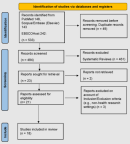
Results of search and description of included studies: a total of 533 articles were identified in the initial search through PubMed, Scopus/Embase (Elsevier) and EBSCOHost. After removal of duplicates, 484 articles were subjected to title, abstract and full text screening. Finally, 18 articles were included as shown in the PRISMA flow-diagram depicted in Figure 1. The studies included were conducted in sub-Saharan Africa or among countries that included those in the region and published between 2015 and 2025.
Study quality: an assessment of the quality of studies that were included was made and it ranged from 7 to 10 as shown in Table 1. The quality of the included studies, as evaluated using the Joanna Briggs Institute (JBI) critical appraisal tool were of moderate to high methodological quality. Seven of the studies achieved the maximum score of 10, reflecting strong adherence to key methodological criteria. In this systematic review, no studies among those that were assessed for quality were excluded based on quality, as all met the minimum threshold for inclusion.
Types of included studies: overall, the included articles examined data from cross-sectional, feasibility studies, exploratory qualitative descriptive and longitudinal field intervention studies. The details of the studies that were included are shown in Table 2, Table 2.1, Table 2.2, Table 2.3, Table 2.4. A total of 18 studies reporting an integrated approach to HIV, syphilis, and hepatitis B management in sub-Saharan Africa were summarised in Table 2, Table 2.1, Table 2.2, Table 2.3, Table 2.4. The majority (13) of the studies were cross-sectional, while there were 3 longitudinal studies, 1 feasibility study, and 1 exploratory study. The findings from studies that were included and analysed to identify patterns using thematic analysis are shown in Table 3.
Thematic analysis of included studies: five themes were developed; a) effectiveness of HSs integration, b) barriers to HSs integration, c) facilitators for HSs integrated approach on triple elimination, d) improved case detection, and e) recommendations for HSs integration. All themes except the one on Improved case detection were developed from sub-themes built generally around six pillars of the health systems according to WHO, namely Human Resources for Health, Health Services Delivery, Medical Devices, Leadership and Governance, Health Systems Financing and Health Information Management Systems.
Effectiveness of HSs integration: it was noted that the lack of integration had negative effectiveness as it would delay EMTCT of Syphilis and HIV [26]. Evidence showed that HIV and HBV patient management through an integrated approach could improve hospital cost efficiency when compared with operating stand-alone clinics [27].
Barriers to HSs integration: a number of barriers to HSs integrated approach to services that included HIV, Syphilis and HBV were highlighted. These included gaps in knowledge among healthcare workers, inadequate health education, difficulties in communication between mothers and health workers due to language barriers, persistent HBV test kits stockout, inadequate staffing [28], lack of independent laboratory test kits evaluation, including at points of care, and lack of accurate, rapid and affordable POCTs. There is insufficient attention being paid to health systems' capacity and conditions for integration of the services [29]. There are insufficient cheap point-of-care tests leading to syndromic screening [30]. Human resources, conceptual and infrastructural barriers exist against HSs integration [31]. Human resources are concerned that their workload would increase due to performing additional testing under an already strained environment, general health system challenges that included a high volume ratio of client to healthcare worker, and poor working conditions were some of the barriers [32]. It was noted from the same study that poor attitudes from healthcare workers and fear of HIV disclosure by clients to their partners were some of the shortcomings. A low (25.0%) number of HWs had received training in PMTCT of HIV and syphilis, including screening in some settings [33]. The same study noted that, sometimes, HIV and syphilis tests were performed in different rooms with separate registers used to record results using different formats, while results were not given by the same person all the time.
Facilitators for HSs integrated approach to triple elimination: HBV infection birth-dose vaccination, integrated within the current HIV PMTCT programme, catalyses HBV elimination progress in SSA [34]. Recognising and mapping health systems complexity, including context, institutions, adoption systems and problem perception, facilitates the integrated approach [29]. The high burden of MTCT in SSA for the three infections (HIV, syphilis and HBV), would benefit from HSs integrated approach as an adopted strategy to promote triple elimination [7]. Political support that can be secured by SSA health community for the use of existing funding facilitates HSs integrated approach to realise the benefits of triple elimination because countries in the African Region are interested and committed to triple EMTCT in an integrated manner. They also recognise that EMTCT using an integrated approach is feasible through strengthening the maternal, newborn and child health platform [26]. High prevalence of HIV and its comorbidities in the region underscores the need for integrated healthcare strategies [35]. The enthusiasm among health care workers who reported enjoying gaining new skills, using POCTs that they found easy to use and appropriate to their practice, facilitates HSs integrated approach. The availability of diagnostic tools and sufficient delivery time of WHO's required ANC integrated activities for first and re-visits facilitates the approach with the current number of HCWs in some settings [32]. Structural interventions within integrated HIV-ANC clinics facilitate HSs integrated approach [36]. There are many commonalities between HIV, HBV, and other comorbidities, which facilitate HSs integrated approach. These include diseases they cause, responses required that facilitate coordination, strategic linkages, or integration of programs according to the respective magnitudes of the epidemics. Similarities in the SDG targets for HIV and some comorbidities facilitates the overarching priority to integrate other diseases and HIV strategic information within single broader existing health information systems. This contributes toward strengthening the health systems [37].
Improved case detection: integrated screening for HIV and HBV demonstrated high prevalence of HBV among HIV positive individuals, with more women commonly infected, pointing to the importance of an integrated approach for improved case finding [38]. Innovations in integrated testing and sampling approaches have the potential to increase access to testing and reduce the large burden of undiagnosed infection [39]. Syphilis diagnosis and management increase when integrated with HIV services [33].
Recommendations to HSs integration: improved integrated HIV and STI prevention and management is needed [40]. Both HBV screening and treatment of women in pregnancy need to be added to existing HIV PMTCT platforms because it is feasible [34]. National programmes among SSA can increase adoption of WHO policies and frameworks meant to break down disease-specific vertical programmes, promote efficiency and improve a person-centred, sustainable triple elimination approach. Innovations (like HSs integrated approach) are recommended to facilitate triple elimination programmes [7]. HIV and syphilis screening and treatment services are encouraged to be available at common service delivery points. Activities are recommended to integrate syphilis screening into existing PMTCT health services through researching test kits. Experiences in SSA countries are recommended to assist regional and global efforts for dual EMTCT of HIV and syphilis in addition to strengthening ANC services [26]. There is a need for urgent provision of operational guidance and training for health care providers. More training and technical assistance on the implications of service integration within existing health systems, and the improvement of data management and physical infrastructure adjustments, are required to ensure the successful implementation. Incremental investment in the data system that is coordinated is required to provide the evidence base needed for guiding the elimination of viral hepatitis and comorbidities. Increased on-site mentoring is recommended to ensure an efficient transition to an integrated approach to services, from the traditional silo-based offering of services [31]. The findings advocate for systematic screening and management of comorbidities within HIV care programs, emphasising the need for holistic health approaches to improve outcomes [35]. If integrated testing and subsequent best management of HIV, syphilis and HBV are to be achieved, future scale-up efforts have to address health system weaknesses [32]. Further investigations are needed on improving healthcare worker availability, performance and quality of care in integrated ANC services. Delivering point-of-care tests in an integrated manner would be a low-burden strategy at the dispensary level to improve services at ANC [41]. Viral hepatitis services in SSA need to be integrated into the existing HIV programmes infrastructure for testing, care and treatment [39]. Implementation and further evaluation of different testing approaches are required [42]. Similarly, integrated approach guidelines to maternal HIV and syphilis screening, which are limited, need to address human resources gaps related to training [33]. It is recommended that health systems articulations have to be considered at the strategic, policy, technical, and implementation levels [37].
Triple Elimination Framework seeks to integrate HIV, Syphilis and viral Hepatitis programmes by better service delivery coordination among programmes through incorporation of HBV screening into existing HIV and syphilis screening at ANC [43]. No recent studies have been identified to explore HSs barriers and facilitators in the integration of HIV, syphilis, and HBV programs into ANC services for triple elimination since its implementation in 2018 in other settings [44]. In SSA, high burden of the diseases, poor population health outcomes and inequities are due to weak health systems [45]. This makes it difficult to adopt an HSs integrated approach to triple elimination. However, integrating HSs to monitor the three diseases targeted for elimination is needed [46].
In this systematic review, we identified 18 studies documenting the integration of HIV and Syphilis, HIV and Hepatitis or HIV and any other services. In the findings, none of the reviewed studies reported integration of all three diseases in a comprehensive, triple elimination framework. None reported integration in the context of clearly coordinated, envisioned WHO HSs pillars. These findings highlight significant gaps in the literature and practice, as well as a salient disconnection between global policy recommendations and the current state of implementation in sub-Saharan Africa. The findings suggest that, while some progress has been made towards dual integration, the full realisation of an integrated approach targeting all three infections simultaneously has not been achieved in sub-Saharan Africa.
The other major finding was the identification of five key themes currently summarising the landscape of HSs integration efforts towards triple elimination in sub-Saharan Africa. Thematic analysis revealed a potential for integrated approaches to enhance the effectiveness of health systems, leading to improved HIV, syphilis and HBV service delivery and health outcomes. For the effectiveness to be achieved, significant barriers within the WHO's HSs pillars can work against the full potential of integrated care. On the other hand, several facilitators that can be grouped within WHO's HSs pillars can work to the full potential of integrated care as identified, to drive progress towards the triple elimination goals. Integration was associated with improved case detection, particularly in ANC settings, reinforcing the value of combining services towards triple elimination. Recommendations covering all the WHO HSs pillars for advancing an integrated approach were highlighted, emphasising context-specific strategies promoting progress towards triple elimination in line with global health sector strategies.
Findings from this study agree with prior systematic reviews and studies, which similarly noted that while dual integration of HIV and syphilis, or HIV and hepatitis, is feasible and beneficial, triple integration of all three diseases has not been adequately studied in SSA [47,48]. Our findings build on previous findings, which noted that several health system factors either facilitate or act as barriers to integrated service provision for triple elimination of vertical transmission [49]. Important implications for health policy and practice in sub-Saharan Africa emerged from findings of this review. The sub-themes that emerged demonstrate the need to consider barriers and facilitators across health systems pillars when implementing the integrated approach to triple elimination. Despite the WHO strongly advocating for a triple elimination framework and providing clear guidance on integrating services across its six HSs pillars, a notable lack of studies explicitly evaluating or implementing integration in alignment with these pillars exists. Lack of studies specific to triple integration suggests an urgent need for pilot projects and operational research to test and refine models that can deliver such comprehensive services for HIV, syphilis, and hepatitis in an integrated manner. Literature shows that there is a need for more evidence on integration in specific geographical areas, such as SSA, because the success of integration strategies is highly dependent on context [50]. Addressing the identified barriers, while promoting the facilitators, will be essential for scaling up integrated approaches, accelerating progress towards targets for triple elimination set by the WHO.
While there is evidence of progress in integrating HIV and Syphilis, HIV and HBV as well as HIV and other services, a fully integrated HSs approach for triple elimination has not been fully implemented in SSA. The thematic analysis highlights both the promise and the challenges of integration, offering a roadmap for future efforts to strengthen HSs and achieve public health goals in the region. Further enquiry in use of HSs integrated approach needs to be considered for realization of triple elimination.
What is known about this topic
- Health systems integrated approaches are increasing in developed countries such as the United States, United Kingdom and Australia and are increasingly recognized as critical for addressing multiple public health threats, including HIV, syphilis, and viral hepatitis, in sub-Saharan Africa;
- Although progress exist towards elimination targets of HIV, syphilis, and viral hepatitis in sub-Saharan Africa, significant barriers remain, such as vertical programming and limited routine screening, which hinder sustainable progress in eliminating these infections as public health threats;
- There is no identified dominant health system integration theory, model or framework, suggesting that a one-size-fits-all solution may not be effective.
What this study adds
- This systematic review identifies, retrieves and provides a comprehensive synthesis of international evidence on utilization of HSs integrated approach on the elimination of HIV, syphilis and viral Hepatitis as public health threats in SSA;
- The study provides actionable recommendations for practice, policymakers and health system managers, emphasizing strategies to strengthen integration, improve service delivery, and accelerate progress towards elimination goals in the region, including further research;
- Key insights on the effectiveness, facilitators, and barriers to full integration of services for triple elimination within the context of WHO's health systems 6 pillars.
The authors declare no competing interests.
Newten Handireketi, Pisirai Ndarukwa, Tafadzwa Mindu and Moses John Chimbari conceived the review idea. Newten Handireketi designed the search strategy with assistance from Pisirai Ndarukwa, Tafadzwa Mindu and Moses John Chimbari. Revisions were done by Pisirai Ndarukwa, Tafadzwa Mindu and Moses John Chimbari. Newten Handireketi designed the protocol and prepared the first draft of the manuscript including the initial data analysis. Newten Handireketi, Pisirai Ndarukwa, Tafadzwa Mindu and Moses John Chimbari reviewed the changes. Moses John Chimbari gave the overall supervision. All authors read and approved the final version of the manuscript for submission to the journal.
The authors would like to acknowledge UKZN, where the work is registered as part of NH's studies. We acknowledge the reviewers whose advice and comments assisted in shaping the manuscript.
Table 1: quality assessment of studies reporting an integrated approach to HIV, syphilis and HBV management in sub-Saharan Africa
Table 2: summary of findings for studies reporting an integrated approach to HIV, syphilis and hepatitis B management in sub-Saharan Africa
Table 2.1: summary of findings for studies reporting an integrated approach to HIV, syphilis and hepatitis B management in sub-Saharan Africa
Table 2.2: summary of findings for studies reporting an integrated approach to HIV, syphilis and hepatitis B management in sub-Saharan Africa
Table 2.3: summary of findings for studies reporting an integrated approach to HIV, syphilis and hepatitis B management in sub-Saharan Africa
Table 2.4: summary of findings for studies reporting an integrated approach to HIV, syphilis and hepatitis B management in sub-Saharan Africa
Table 3: thematic analysis summary of HSs' integrated approach systematic review studies for triple elimination in SSA
Figure 1: PRISMA diagram for the HSS integrated approach systematic review search
Annex 1: supplementary material (PDF 248KB)
- UNITAID Innovation In Global Health. Submitted questions on Unitaid’s Call for Proposals: "Accelerate demand and adoption of tools and integrated delivery strategies for elimination of vertical transmission of HIV, syphilis, hepatitis B and Chagas in endemic areas." Accessed 22nd February 2025.
- Learning Collaborative Children HIV and AIDS. 2024 HIV estimates learning lab webinar. Accessed 22nd February 2025.
- Beriso JA, Kitila FL, Ferede A, Kaso AW. High seroprevalence of syphilis infection among pregnant women in Public Health facilities in Shashemene town, southern Ethiopia. Clinical Epidemiology and Global Health. 2023 May 1;21:101288. Google Scholar
- Gilbert L, Dear N, Esber A, Iroezindu M, Bahemana E, Kibuuka H et al. Prevalence and risk factors associated with HIV and syphilis co-infection in the African Cohort Study: a cross-sectional study. BMC Infect Dis. 2021 Oct 30;21(1):1123. PubMed | Google Scholar
- UNICEF. Strengthening capacity in translating evidence to action: Data mentoring and the journey to triple elimination of HIV, syphilis, and hepatitis B. Accessed 22nd February 2025.
- Elizabeth Glaser Pediatric AIDS Foundation. Triple Elimination of Mother-to-Child Transmission of HIV, Syphilis and Hepatitis B: Results from a Country-Level Survey in Sub-Saharan Africa. Accessed 8th February 2025.
- Cohn J, Owiredu MN, Taylor MM, Easterbrook P, Lesi O, Francoise B et al. Eliminating mother-to-child transmission of human immunodeficiency virus, syphilis and hepatitis B in sub-Saharan Africa. Bull World Health Organ. 2021 Apr 1;99(4):287-95. PubMed | Google Scholar
- World Health Organization Western Pacific. The Triple Elimination of Mother-to-Child Transmission of HIV, Hepatitis B and Syphilis in Asia and the Pacific, 2018–2030. Accessed 23rd February 2025.
- Clinton Health Access Initiative. A Hepatitis Resource Toolkit to help countries navigate the Global Fund 2023 funding application process. Accessed 23rd February 2025.
- Goodwin N. Understanding integrated care: a complex process, a fundamental principle. Int J Integr Care. 2013 Mar 22;13:e011. PubMed | Google Scholar
- World Health Organization. Integrating health services: brief. World Health Organization; 2018 Dec 31. Google Scholar
- USAID, DataForImpactProject. Health System Strengthening. Accessed 11th March 2023.
- Manyazewal T. Using the World Health Organization health system building blocks through survey of healthcare professionals to determine the performance of public healthcare facilities. Arch Public Health. 2017 Aug 31;75:50. PubMed | Google Scholar
- UNICEF. The UNICEF Health Systems Strengthening Approach. Accessed 23rd February 2025.
- World Health Organization. Global health sector strategies on, respectively, HIV, viral hepatitis and sexually transmitted infections for the period 2022-2030. World Health Organization; 2022 Jul 18. Google Scholar
- Piquer-Martinez C, Urionagüena A, Benrimoj SI, Calvo B, Dineen-Griffin S, Garcia-Cardenas V et al. Theories, models and frameworks for health systems integration. A scoping review. Health Policy. 2024 Mar 1;141:104997. PubMed | Google Scholar
- Coughlan C, Manek N, Razak Y, Klaber RE. How to improve care across boundaries. BMJ. 2020 Apr 3;369:m1045. PubMed | Google Scholar
- Agyei E, Kumah E. Navigating the complex terrain of healthcare systems in Sub-Saharan Africa: challenges and opportunities for progress. Discov Health Syst. 2024 Jun 20;3(1):39. Google Scholar
- Tchounga B, Shu E, Longla T, Kana R, Simen J, Mayer M et al. Progress toward Triple Elimination of Mother-to-Child-Transmission of HIV, HBV, and Syphilis: A 12-months Retrospective Analysis of Testing Coverage in Antenatal Care Clinics in Cameroon. Accessed 22nd February 2025.
- Cherry MG, Dickson R, Boland A. Doing a Systematic Review: A Studentâ ²s Guide. Google Scholar
- Uttley L, Quintana DS, Montgomery P, Carroll C, Page MJ, Falzon L et al. The problems with systematic reviews: a living systematic review. J Clin Epidemiol. 2023 Apr 1;156:30-41. PubMed | Google Scholar
- Orsini GD, Tarabay J, Hardy-Johnson PL, Barker SL, Greenway FT. The homeless period: a qualitative evidence synthesis. Women Health. 2024 Mar;64(3):250-60. PubMed | Google Scholar
- Satylganova A. Integrated care models: an overview. Copenhagen: WHO Regional Office for Europe; 2016. 2016.
- Lockwood C, Munn Z, Porritt K. Qualitative research synthesis: methodological guidance for systematic reviewers utilizing meta-aggregation. JBI Evid Implement. 2015 Sep;13(3):179. PubMed | Google Scholar
- Aromataris E, Fernandez R, Godfrey CM, Holly C, Khalil H, Tungpunkom P. Summarizing systematic reviews: methodological development, conduct and reporting of an umbrella review approach. Int J Evid Based Healthc. 2015 Sep;13(3):132-40. PubMed | Google Scholar
- Newman Owiredu M, Newman L, Nzomo T, Conombo Kafando G, Sanni S, Shaffer N et al. Elimination of mother-to-child transmission of HIV and syphilis: A dual approach in the African Region to improve quality of antenatal care and integrated disease control. Int J Gynecol Obstet. 2015;130(S1):S27-31. PubMed | Google Scholar
- Ejalu DL, Mutyoba JN, Wandera C, Seremba E, Kambugu A, Muganzi A et al. Integrating hepatitis B care and treatment with existing HIV services is possible: cost of integrated HIV and hepatitis B treatment in a low-resource setting: a cross-sectional hospital-based cost-minimisation assessment. BMJ Open. 2022 Jul 1;12(7):e058722. PubMed | Google Scholar
- Alege JB, Oyore JP, Nanyonga RC, Musoke P, Orago ASS. Barriers and facilitators of integrated hepatitis B, C, and HIV screening among pregnant mothers and newborns attending maternal and newborn clinics in Koboko District, Uganda: a qualitative inquiry of providers´ perspective. BMC Infect Dis. 2025 Jan 29;25(1):139. PubMed | Google Scholar
- Toskin I, Govender V, Blondeel K, Murtagh M, Unemo M, Zemouri C et al. Call to action for health systems integration of point-of-care testing to mitigate the transmission and burden of sexually transmitted infections. Sex Transm Infect. 2020 Aug 1;96(5):342-7. PubMed | Google Scholar
- Mullick S, Cox LA, Martin CE, Fipaza Z, Ncube S. Comparing the Integration of Syndromic versus Etiological Management of Sexually Transmitted Infections Into HIV Pre-Exposure Prophylaxis Services for Adolescent Girls and Young Women, in South Africa. J Adolesc Health. 2023 Dec 1;73(6):S67-72. PubMed | Google Scholar
- Phili R, Karim QA, Tlou B. Experiences in the implementation of provider-initiated counselling and testing and linkage to HIV services at urban public sector health facilities in KwaZulu-Natal. South Afr J Infect Dis. 2015 Sep 18;30(3):77-81. Google Scholar
- Young N, Achieng F, Desai M, Phillips-Howard P, Hill J, Aol G et al. Integrated point-of-care testing (POCT) for HIV, syphilis, malaria and anaemia at antenatal facilities in western Kenya: a qualitative study exploring end-users´ perspectives of appropriateness, acceptability and feasibility. BMC Health Serv Res. 2019 Jan 28;19(1):74. PubMed | Google Scholar
- Balira R, Mabey D, Weiss H, Ross DA, Changalucha J, Watson-Jones D. The need for further integration of services to prevent mother-to-child transmission of HIV and syphilis in Mwanza City, Tanzania. Int J Gynecol Obstet. 2015;130(S1):S51-7. PubMed | Google Scholar
- Thompson P, Morgan CE, Ngimbi P, Mwandagalirwa K, Ravelomanana NLR, Tabala M et al. Arresting vertical transmission of hepatitis B virus (AVERT-HBV) in pregnant women and their neonates in the Democratic Republic of the Congo: a feasibility study. Lancet Glob Health. 2021 Nov 1;9(11):e1600-9. PubMed | Google Scholar
- Ciccacci F, Welu B, Ndoi H, Mosconi C, De Santo C, Carestia M et al. Exploring diseases burden in HIV population: Results from the CHAO (Comorbidities in HIV/AIDS outpatients) cross-sectional study in Kenya. Glob Epidemiol. 2024 Dec 1;8:100174. PubMed | Google Scholar
- Manabe YC, Namale G, Nalintya E, Sempa J, Ratanshi RP, Pakker N et al. Integration of antenatal syphilis screening in an urban HIV clinic: a feasibility study. BMC Infect Dis. 2015 Jan 13;15(1):15. PubMed | Google Scholar
- Hutin Y, Low-Beer D, Bergeri I, Hess S, Garcia-Calleja JM, Hayashi C et al. Viral Hepatitis Strategic Information to Achieve Elimination by 2030: Key Elements for HIV Program Managers. JMIR Public Health Surveill. 2017 Dec 15;3(4):e7370. PubMed | Google Scholar
- Baseke J, Musenero M, Mayanja-Kizza H. Prevalence of hepatitis B and C and relationship to liver damage in HIV infected patients attending Joint Clinical Research Centre Clinic (JCRC), Kampala, Uganda. Afr Health Sci. 2015 Jun;15(2):322-7. PubMed | Google Scholar
- Peeling RW, Boeras DI, Marinucci F, Easterbrook P. The future of viral hepatitis testing: innovations in testing technologies and approaches. BMC Infect Dis. 2017 Nov 1;17(1):699. PubMed | Google Scholar
- Mathebula RC, Kuonza LR, Musekiwa A, Kularatne R, Maseko V, Kufa T. Factors associated with repeat genital symptoms among sexually transmitted infection service attendees in South Africa, 2015 - 2016. South Afr Med J Suid-Afr Tydskr Vir Geneeskd. 2020 Jul 7;110(7):661-6. PubMed | Google Scholar
- Young N, Taetgmeyer M, Zulaika G, Aol G, Desai M, Ter Kuile F et al. Integrating HIV, syphilis, malaria and anaemia point-of-care testing (POCT) for antenatal care at dispensaries in western Kenya: discrete-event simulation modelling of operational impact. BMC Public Health. 2019 Dec 3;19(1):1629. PubMed | Google Scholar
- Tucker JD, Meyers K, Best J, Kaplan K, Pendse R, Fenton KA et al. The HepTestContest: a global innovation contest to identify approaches to hepatitis B and C testing. BMC Infect Dis. 2017 Nov 1;17(1):701. PubMed | Google Scholar
- Woodring J, Ishikawa N, Nagai M, Malarski M, Takashima Y, Sobel H et al. Integrating HIV, hepatitis B and syphilis screening and treatment through the Maternal, Newborn and Child Health platform to reach global elimination targets. West Pac Surveill Response J WPSAR. 2017 Dec 31;8(4):1-5. PubMed | Google Scholar
- Wulandari LPL, Lubis DS, Kurniati DPY, Sumintang K, Ardrini DAM, Mariani P et al. Challenges to integrating programs for the elimination of mother-to-child transmission of HIV, syphilis, and hepatitis B into antenatal care: Experiences from Indonesia. PLOS Glob Public Health. 2024 Mar 6;4(3):e0002977. PubMed | Google Scholar
- Wamai RG, Shirley HC. The future of health in sub-Saharan Africa: is there a path to longer and healthier lives for all. African futures Brill. 2022;17:67-98. Google Scholar
- Armini LN, Setiawati EP, Arisanti N, Hilmanto D. Evaluation of Process Indicators and Challenges of the Elimination of Mother-to-Child Transmission of HIV, Syphilis, and Hepatitis B in Bali Province, Indonesia (2019-2022): A Mixed Methods Study. Trop Med Infect Dis. 2023 Nov;8(11):492. PubMed | Google Scholar
- Mutyoba JN, Wandera C, Ejalu D, Seremba E, Beyagira R, Amandua J et al. Feasibility and acceptability of integrating hepatitis B care into routine HIV services: a qualitative study among health care providers and patients in West Nile region, Uganda. BMC Health Serv Res. 2023 Jan 20;23(1):59. PubMed | Google Scholar
- Wu S, Wang J, Guo Q, Lan H, Sun Y, Ren M et al. Prevalence of human immunodeficiency virus, syphilis, and hepatitis B and C virus infections in pregnant women: a systematic review and meta-analysis. Clin Microbiol Infect. 2023 Aug 1;29(8):1000-7. PubMed | Google Scholar
- Kazibwe A, Olal E, Ojok AM, Kigongo JV, Kafumbe H, Niwampeire MP et al. Facilitators, barriers and service availability for delivering integrated care for the triple elimination of HIV, syphilis and hepatitis B vertical transmission in Uganda: a multi-site explanatory mixed methods study. BMC Health Serv Res. 2025 May 1;25(1):626. PubMed | Google Scholar
- Bulstra CA, Hontelez JAC, Otto M, Stepanova A, Lamontagne E, Yakusik A et al. Integrating HIV services and other health services: A systematic review and meta-analysis. PLOS Med. 2021 Nov 9;18(11):e1003836. PubMed | Google Scholar
Search
This article authors
On Pubmed
On Google Scholar
Citation [Download]
Navigate this article
Similar articles in
Key words
Tables and figures

Article metrics
Recently from the PAMJ

Authors´ services