Correlates of cervical cancer screening uptake among HIV-positive women receiving integrated HIV care in rural Western Kenya
Bramuel Barasa, Doreen Othero, Matilu Mwau
Corresponding author: Bramuel Barasa, School of Public Health and Community Development, Maseno University, Kisumu County, Kenya 
Received: 07 Sep 2026 - Accepted: 03 Oct 2026 - Published: 05 Oct 2026
Domain: Epidemiology, Population Health, Reproductive Health
Keywords: Cervical cancer screening, HIV-positive women, integrated HIV care, provider-initiated screening, embarrassment, knowledge, perception, mixed methods
Funding: This work received no specific grant from any funding agency in the public, commercial, or non-profit sectors.
©Bramuel Barasa et al. Pan African Medical Journal (ISSN: 1937-8688). This is an Open Access article distributed under the terms of the Creative Commons Attribution International 4.0 License (https://creativecommons.org/licenses/by/4.0/), which permits unrestricted use, distribution, and reproduction in any medium, provided the original work is properly cited.
Cite this article: Bramuel Barasa et al. Correlates of cervical cancer screening uptake among HIV-positive women receiving integrated HIV care in rural Western Kenya. Pan African Medical Journal. 2026;55:55. [doi: 10.11604/pamj.2026.55.55.55263]
Available online at: https://www.panafrican-med-journal.com//content/article/55/55/full
 PDF in process
Research 

Correlates of cervical cancer screening uptake among HIV-positive women receiving integrated HIV care in rural Western Kenya
Correlates of cervical cancer screening uptake among HIV-positive women receiving integrated HIV care in rural Western Kenya
 Bramuel Barasa1,&, Doreen Othero1, Matilu Mwau2
&Corresponding author
Introduction: cervical cancer remains a leading cause of death among women in sub-Saharan Africa. In Kenya, screening is integrated into routine HIV care, yet coverage remains below WHO's 70% target. The objective of this study was to examine correlates of cervical cancer screening uptake among HIV-positive women in three health facilities in Bunyala Sub-County.
Methods: a concurrent convergent mixed-methods cross-sectional study was conducted among 350 HIV-positive women aged 25-49 years who completed an interviewer-administered questionnaire. Separate focus group discussions (FGDs) with patients and healthcare workers explored barriers and facilitators. Quantitative data were analyzed using multivariable logistic regression and qualitative data thematically.
Results: of 350 women enrolled, 330 (94.29%) self-reported screening in the preceding year. Screening odds were lower at Osieko than Port Victoria (AOR=0.06, 95% CI: 0.03-0.15). Married women had higher odds of screening (AOR=3.59, 95% CI: 1.49-8.65), while those in the highest income category had lower odds (AOR=0.04, 95% CI: 0.03-0.07). Perceiving screening as not painful was associated with higher odds of screening (AOR=2.47, 95% CI: 1.06-5.74), as were neutral or non-embarrassed perceptions of screening (AOR=6.33, 95% CI: 2.73-14.70 and AOR=5.05, 95% CI: 1.26-20.14, respectively). Bootstrap sensitivity analyses indicated that inference for the observed associations was sensitive to the small number of facility clusters. FGDs highlighted provider-initiated screening and follow-ups as facilitators. Embarrassment, inadequate privacy and service delivery challenges were barriers.
Conclusion: self-reported screening uptake was high in this integrated HIV-care setting. Privacy and emotional comfort should be considered in assessing the quality of integrated screening services.

Cervical cancer remains the fifth most common diagnosed cancer in women worldwide, with an estimated 604,000 new cases reported globally in 2024 [1]. The burden is particularly high in Africa, which accounts for approximately 20.6% of all global cervical cancer cases and 26.3% of global cervical cancer deaths [2]. In Kenya, cervical cancer is the second most common cancer among women, with approximately 5,845 new cases and 3,600 deaths recorded annually [3,4].
Due to immunosuppression, HIV-positive women of reproductive age have increased susceptibility to persistent high-risk human papillomavirus (HPV) infection, the primary cause of cervical cancer [5]. For this population, HPV DNA testing every 3-5 years is recommended as the primary screening means by WHO, starting at age 25, alongside timely treatment of precancerous lesions [6]. Although HPV DNA testing, including self-collected sampling, is increasingly recommended [6], annual visual inspection with acetic acid or Lugol's iodine (VIA/VILI) screening within HIV care remains an important screening approach in Kenya, particularly in settings where HPV testing is not readily available [7].
Kenya began implementing VIA screening among HIV-positive women in 2007 when a localized pilot integration in the western region leveraged existing HIV infrastructure [8]. Subsequent scale-up through the national cancer program and the HIV program has made VIA screening a relatively low-cost and routinely delivered comprehensive care clinic service [9]. Despite this integration, screening coverage in Kenya remains below levels required to achieve WHO's 90-70-90 elimination targets [10]. Between 2011 and 2020, only 16.81% of women in the general population had been screened, while estimates among HIV-positive women ranged between 1% to 7% [11]. In Bunyala Sub-County where the present study was conducted, data from the Kenya Health Information System (KHIS) indicate year-to-year variation in initial screening coverage among HIV-positive women of reproductive age. The screening coverage ranged from 3.74% in 2020 to 50.90% in 2021, before declining to 25.86% in 2022 and 14.78% in 2023. Whether these fluctuations reflect true changes in screening coverage or differences in reporting completeness cannot be established from these data. This is particularly concerning given that Bunyala carries a relatively high HIV prevalence of 8.2%, compared to Kenya's national average of 3.22% [12], highlighting the importance of characterizing cervical cancer screening coverage and its correlates among reproductively aged HIV-positive women in this setting.
Factors associated with low cervical cancer screening rates in sub-Saharan Africa remain incompletely understood, with literature suggesting an interplay of sociodemographic, cultural, knowledge and system-level factors [13-15]. Findings are inconsistent across settings, with some studies linking lower uptake to younger age, lower education and limited economic resources [16], while others report no significant influence of demographic factors such as age, religion and marital status on screening intention [17]. In Kenya, existing evidence is largely drawn from urban referral settings [9,18], leaving a significant gap in understanding correlates of cervical cancer screening among HIV-positive women in rural, underserved communities. This study aimed to assess the sociodemographic, cultural, knowledge and perception-related factors associated with cervical cancer screening uptake among HIV-positive women of reproductive age in Bunyala Sub-County, Busia County, Kenya.

Research design and location: this was a concurrent convergent mixed-methods cross-sectional study. Quantitative and qualitative data were collected simultaneously between December 2025 and February 2026, analyzed separately and merged during interpretation. The quantitative arm assessed factors associated with screening uptake, while the qualitative component sought to explain and contextualize the quantitative findings through exploration of barriers and facilitators to screening from the perspectives of both patients and healthcare workers. The study was conducted in HIV comprehensive care clinics (CCCs) at three public health facilities in Bunyala Sub-County: Port Victoria Sub-County Hospital, Mukhobola Sub-County Hospital and Osieko Dispensary. During the study period, donor-supported cervical cancer screening had been scaled up across the facilities' CCCs, including nurse training in VIA, screening targets, and provision of supplies. Port Victoria had two nurses, four clinical officers and two dedicated screening rooms; Mukhobola had two nurses, two clinical officers and one screening room; and Osieko had one nurse and no dedicated screening room. Thermocoagulation was available only at Port Victoria, while colposcopy was unavailable at all three facilities.
Research population and sample: two groups made up this study's target population. The primary group was HIV-positive women of reproductive age (25-49 years) receiving care at the three target facilities. In 2024, these facilities served 87.33% (1772/2029) of HIV-positive women aged 25-49 years in Bunyala Sub-County. Port Victoria, Mukhobola and Osieko served 1,127 (63.6%), 427 (24.1%) and 218 (12.3%), respectively. Given the wide variability in cervical cancer screening utilization rates reported in Bunyala between 2020 and 2023 (3.74-50.9% from KHIS data), a conservative prevalence estimate of 50% was adopted. Using Fisher's formula for cross-sectional studies:

Where Z = 1.96 for 95% confidence interval, p = 0.5, q=1-0.5 and d = 0.05, an initial sample size of 384 was obtained. Because the estimated study population (N = 1,772) was less than 10,000, a finite population correction was applied:
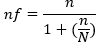
This resulted in an adjusted sample size of 316. Allowing for a 10% non-response rate produced a final target sample of 350 women. Probability proportional to size allocated 223, 84 and 43 participants to Port Victoria, Mukhobola and Osieko respectively. Eligible women (HIV-positive, aged between 25-49 and willing to provide written informed consent) were consecutively sampled until the sample size was met. The lower age limit of 25 years followed Kenya's national cervical cancer screening guidelines, which recommend screening from age 25 for HIV-positive women [3]. A subgroup of eight women per facility was purposively selected from questionnaire respondents who expressed willingness to participate in further focus group discussions (FGD). This was informed by literature recommending 6-12 participants per group for thematic saturation [19]. The second group of participants was healthcare and community-based personnel involved in providing care in HIV care and support. Three FGDs, one per site, were conducted, with six participants per site. Participants comprised nurses, clinical officers, community health workers (CHWs), including mentor mothers and peer educators, and a community health assistant (CHA) who participated at Osieko Dispensary.
Data collection and analysis: quantitative data were collected using a hardcopy, structured interviewer-administered questionnaire. The questionnaire was administered in English and clarifications made by research assistants when required. Screening uptake was assessed by a query on whether the woman had undergone screening in the preceding year. Independent variables included sociodemographic factors, cultural factors, knowledge and perceptions factors. Knowledge was assessed using 10 questionnaire items. Correct responses scored 1 while incorrect responses scored 0. Scores were converted to percentages with scores >50% classified as good knowledge and ≤50% as poor knowledge, consistent with previous studies [20-22]. This was an analytical cut-off rather than a validated measure of adequate knowledge. Perceptions were assessed using seven five-point Likert-scale items with responses of 4-5 on positively worded items and 1-2 on negatively worded items indicating positive perception.
Data were analyzed using Stata v18 for Windows. Descriptive statistics summarized participant characteristics. Crude and adjusted multivariable logistic regression examined the associations with screening uptake. Variables with a p-value < 0.2 at the crude analyses were considered for adjusted multivariable logistic. Age group, marital status, knowledge and social influence were retained based on theoretical relevance, regardless of crude p-values. Variables not included in the final adjusted multivariate logistic either did not meet the bivariate p < 0.20 criterion or lacked sufficient theoretical justification for forced inclusion. The model accounted for clustering by facility using cluster-robust standard errors (Huber-White sandwich estimator). Because only three facilities contributed data, a wild cluster bootstrap sensitivity analysis using Webb weights was performed to assess the robustness of inference to the small number of clusters. Associations were therefore interpreted cautiously and as measures of association rather than causal effects. Statistical significance was set at p<0.05. Model fit was assessed using the Hosmer-Lemeshow test, and multicollinearity was assessed using pairwise correlations and variance inflation factors.
Patient FGDs were conducted in Swahili while healthcare worker (HCW) FGDs were conducted in both Swahili and English. All FGDs were audio-recorded with participants' consent and supplemented by field notes. Recordings were transcribed verbatim and translated into English where necessary for analysis. A codebook based on the FGD guide and interviewer notes was refined during transcript review. Two researchers (BB and DO) independently coded the transcripts, resolved differences through consensus, and developed themes and subthemes through manual thematic analysis using the Miles and Huberman framework [23] for thematic analysis. The original transcripts and field notes were reviewed during analysis to ensure that themes remained grounded in participants' accounts.
Quantitative and qualitative findings were integrated during interpretation through narrative comparison. Findings were considered convergent when qualitative accounts corroborated or contextualized quantitative patterns. Divergent or complementary findings were retained to provide additional explanation, consistent with Creswell and Plano Clark's convergent mixed-methods design framework [24]. Integration was therefore undertaken at the interpretation stage through structured narrative comparison rather than through a formal convergence coding matrix or joint display.
Ethical considerations: ethical approval was obtained from the Maseno University Ethical Review Committee (MSU/DRPI/MUSERC/01546/25) in October 2025, with permission from the Busia County health department and participating facilities. All study procedures were conducted in accordance with the institutional and national requirements and the 1964 Helsinki Declaration. Participants recruited for the FGDs provided separate written informed consent for FGD participation and audio recording. Unique study identifiers were used in place of personal identifiers, and FGD transcripts were anonymized using participant codes. Completed questionnaires were stored in a locked cabinet. Digital data files, including FGDs recordings and transcripts, were password protected and stored on a secure device accessible only to the research team.
Participant characteristics: three hundred and fifty (350) HIV-positive female participants who met the inclusion criteria were enrolled in the study. The overall self-reported screening rate was 94.29% (330/350; 95% CI: 91.30-96.29). By facility, the screening rate was 97.31% (217/223) at Port Victoria, 96.43% (81/84) at Mukhobola and 74.42% (32/43) at Osieko. The median age of the participants was 40 years (IQR 35-45) with those above 36 years old making up 73.71% (258/350). A total of 235 (67.14%) were married, 309 (88.29%) had primary level education and below, 191 (54.57%) were self-employed and 258 (73.71%) belonged in the lowest monthly household income group. Across the facilities there were significant differences in occupational status (p=0.01), household income (p<0.01) and number of lifetime sexual partners (p<0.01) (Table 1). Regarding cultural factors, 340 (97.14%) reported not needing spousal permission to get screened, 331 (94.57%) reported that religion did not influence their willingness to get screened, 341 (97.43%) did not believe in traditional medicine as a treatment for cervical cancer and 189 (54.00%) were comfortable with being screened by a male healthcare provider. These patterns were consistent across facilities except for comfort being screened by a male healthcare worker where significantly lower comfort was reported in Osieko compared to Mukhobola and Port Victoria (p=0.01) (Table 1).
Participants' knowledge level on cervical cancer and its prevention: overall, 288 (82.29%) scored above 50% and were classified as having good knowledge using the study's predefined operational cut-off. Awareness was high for cervical cancer prevention methods (n=345, 98.57%), benefits of early detection (n=306, 87.43%) and screening eligibility (n=280, 80%). However, only 152 women (43.43%) identified the main cause of cervical cancer. Knowledge scores were significantly higher among women attending Mukhobola than those attending Port Victoria or Osieko (Table 2).
Participants' perception on cervical cancer screening: participants reported positive perceptions on four of the seven cervical cancer screening items. Overall, 176 (50.29%) women felt supported by close people in their lives to get screened, 228 (65.14%) did not perceive screening as painful, 217 (62%) were not concerned that screening would reveal cancer and 235 (67.14%) did not consider screening embarrassing. Women at Mukhobola consistently reported higher positive perceptions than those at Osieko and Port Victoria across most items (p<0.01) (Table 3). Due to the low internal consistency of the overall perception scale (Cronbach's α = 0.53), a general perception score was not calculated. Exploratory factor analysis was therefore performed to examine their underlying structure. Principal-factor extraction with orthogonal Varimax rotation was used. The Kaiser-Meyer-Olkin measure of sampling adequacy was 0.7, while Bartlett's test of sphericity was significant (χ2 (21) =559.95, p<0.001), indicating that the correlation matrix was suitable for factor analysis. Examination of the scree plot supported a two-factor solution. The first factor comprised three social influence items, with factor loadings of 0.79, 0.74 and 0.78 for perceived support from important people, perceived community screening norms, and peer encouragement to screen respectively. This factor had an eigenvalue of 1.82 and accounted for 25.98% of the total standardized variance, with good internal consistency (Cronbach's α = 0.80). The second factor comprised the four items relating to concerns and preferences surrounding the screening experience, with factor loadings ranging from 0.40 to 0.55. This factor had an eigenvalue of 0.89 and accounted for 12.68% of the total standardized variance, contributing to a cumulative explained variance of 38.66%. Its internal consistency was limited (Cronbach's α =0.55). As a result, the four constituent items within this factor were analyzed individually in the logistic regression models.
Factors associated with cervical cancer screening uptake: after accounting for within-facility clustering, screening uptake was lower at Osieko (AOR=0.06, 95% CI: 0.03-0.15, p<0.01), while married women had higher odds of screening (AOR=3.59, 95% CI: 1.49-8.65, p=0.01). Women in the higher income category had lower odds of screening (AOR=0.04, 95% CI: 0.03-0.07, p<0.01). Not perceiving screening as painful was associated with higher odds of screening (AOR=2.47, 95% CI: 1.06-5.74, p=0.04), as was a neutral or non-embarrassed perception of screening (AOR=6.33, 95% CI: 2.73-14.70, p<0.01 and AOR=5.05, 95% CI: 1.26-20.14, p=0.02, respectively). The neutral social-influence category was excluded because of complete separation, leaving 333 participants in the final model. This prevented reliable estimation of its adjusted association with screening (Table 4, Table 4.1). Wild cluster bootstrap (Webb weights) yielded non-significant p-values (0.13-0.32), indicating the conventional associations were not robust to few-cluster correction. The adjusted model showed adequate fit (Hosmer-Lemeshow χ2(8) = 5.75, p = 0.676). Correlations among the four perception variables analyzed separately were low to moderate (r = 0.059 to r = 0.308). Variance inflation factor (VIF) ranged from 1.15 to 1.65 (mean VIF = 1.73) indicating no problematic multicollinearity.
Qualitative findings: the following themes emerged from focus group discussions:
a) Provider-initiated integrated screening
Health workers across all cadres described cervical cancer screening as a routine, provider-initiated activity embedded within HIV care. A peer educator explained: 'When they come for ARVs, we do not let them go without checking if they are due for screening. If we separated the services, many would not come on their own,' (HCW 2, peer educator, Port Victoria Sub-County hospital). Structured documentation systems, routine file reviews, electronic medical records (EMR) generated reminders and alignment of treatment appointment dates were described as key mechanisms sustaining high coverage: 'We always check the file to see when the last screening was done. If it is due, we inform the patient immediately. It is part of our routine review,' (HCW 3, clinical officer, Mukhobola Sub-County Hospital). 'When you log in the patient in, it shows you all the services the patient needs that day. If she is due for cervical cancer screening, it gives a pop-up,' (HCW 4, peer educator, Mukhobola Sub-County hospital). 'Previously we had different appointment dates. Now we merge them. If she comes for drugs and screening is due, we do everything the same day,' (HCW 3, nurse, Osieko dispensary).
b) Structural barriers to screening
Infrastructural and staffing challenges at Osieko were identified as barriers to screening. The absence of a dedicated screening room meant procedures were conducted in a general consultation room, exposing patients to interruptions: 'We do not have a room specific for cancer screening... even if you lock the door, someone may knock and the patient is startled,' (HCW 1, community health assistant, Osieko dispensary). 'On a busy day... the long waiting time, they can't just sit waiting for cervical cancer screening,' (HCW 2, mentor mother, Osieko dispensary).
c) Emotional barriers to screening
Shame, embarrassment and fear of procedural discomfort were repeatedly described as barriers to screening: 'Nothing scares people like being naked. You go there; you remove your clothes and spread your legs. You feel ashamed because tomorrow you will meet them outside and they know what they have seen, (patient 5, Osieko dispensary, 42 years). 'When they remove that thing (speculum), you feel like being shot inside... that makes women fear,' (patient 1, Port Victoria Sub-County Hospital, 36 years).
d) Knowledge gaps and misconceptions
Gaps in knowledge regarding cervical cancer were prevalent with low awareness especially on the cause of the disease: 'I have just heard that disease is there, but I do not know what it brings,' (patient 2, Port Victoria Sub-County Hospital, 28 years). Misconceptions on the cause of the disease were also rampant: 'If you have that injection for family planning and you stay long before getting your periods, it can bring that cancer,' (patient 4, Osieko dispensary, 39 years).
To our knowledge, this is among the first mixed-methods study of cervical cancer screening among reproductively-aged, HIV-positive women in rural western Kenya. Of 350 women enrolled, 330 (94.29%) reported screening in the preceding year, considerably higher than pooled estimates of 30.2% globally in LMICs [25], 18.5% across six African countries [26], and 18.2-24.0% in Ethiopia [27,28]. Within Kenya, uptake was 52.0% in a large programmatic study in Nairobi and Kajiado despite intensive provider training and peer educator interventions [29], and 44.6% at Kenyatta National Hospital despite service integration [9]. Our uptake was closer to the 85.4% reported in Lesotho following national HIV-care integration [30].
Qualitative data indicated that screening in this setting was largely provider-initiated and embedded within routine HIV care. Providers described it as integral to CCC services, supported by structured documentation, EMR prompts, file reviews, and active follow-up. Patients similarly described screening as an expected part of clinic visits undertaken upon provider recommendation, suggesting reduced reliance on individual health-seeking initiative. Uptake varied across facilities, from 97.31% at Port Victoria and 96.43% at Mukhobola to 74.42% at Osieko. The conventional adjusted logistic regression showed lower odds of screening at Osieko than Port Victoria (AOR=0.06, 95% CI: 0.03-0.15). Qualitative findings identified the absence of a dedicated screening room, interruptions during screening and long waiting times at Osieko, providing contextual information for this difference.
Higher household income was inversely associated with screening uptake in the conventional adjusted regression (AOR = 0.04, 95% CI: 0.03-0.07, p < 0.01), contrasting with literature linking low income to reduced screening due to procedure costs, transport and lost income [31-33]. However, only 11 participants were classified in the high-income category, requiring cautious interpretation of our finding. Age and education were not associated with uptake, unlike findings from other African settings [34-36] while married women had higher odds of screening than unmarried women (AOR=3.59, 95% CI:1.49-8.65). This is consistent with evidence from prior literature linking partner support to screening [37]. Our qualitative findings did not contextualize this association. Cultural factors were also not associated with uptake, despite reported barriers such as perceptions of cervical cancer as a curse and reliance on traditional medicine [38-40]. The limited influence of these traditional predictors may reflect provider-initiated screening and repeated health education within integrated HIV care.
Despite high knowledge scores (82.29%), knowledge was not independently associated with screening uptake, consistent with previous studies among HIV-positive women [9,41,42]. However, FGDs revealed persistent misconceptions about cervical cancer causes, including contraceptive use, menstrual hygiene and inheritance, suggesting high knowledge scores may mask gaps in specific domains. Knowledge was also significantly higher at Mukhobola than at Port Victoria and Osieko, although the reasons could not be established. Perceptions related to pain and embarrassment were also associated with screening uptake in the conventional adjusted multivariate logistic. Women who disagreed that screening was painful had higher odds of uptake (AOR=2.47, 95% CI: 1.06-5.74, p=0.04), although pain was not explicitly identified as a screening barrier in the FGDs. Fear of pain has nevertheless been reported as a barrier elsewhere [43,44]. Women with neutral (AOR=6.33, 95% CI: 2.73-14.70, p<0.01) or non-embarrassed perceptions (AOR=5.05, 95% CI: 1.26-20.14, p=0.02) had higher odds of screening than those with negative perceptions. FGDs highlighted nudity, privacy concerns and familiarity with providers as sources of embarrassment. These findings are consistent with evidence identifying embarrassment, bodily exposure and modesty as barriers to screening [43,45-48], and suggest that emotional comfort remains relevant even within integrated care settings.
This study has several limitations. First, the facility-based consecutive sampling may have introduced selection bias, as women who rarely or never attend the participating facilities may be underrepresented. Because eligible women who declined participation were not recorded, response rates and non-response bias could not be assessed. Women aged >49 years were also excluded because VIA screening is not routinely offered to this age group in Kenya [3]. This limits generalizability to women aged above 50 years. Second, screening uptake was self-reported and not verified against medical records, making recall and social desirability bias possible. Long-term screening adherence was also not assessed. Third, the 50% knowledge cut-off was adopted from previous studies rather than validated for the study questionnaire, so knowledge findings should be interpreted relative to this operational threshold. Fourth, some adjusted estimates were imprecise because of small subgroups, particularly the highest income category (n=11) and Osieko (n=43), as reflected in the wide confidence interval for the embarrassment association. These findings should therefore be interpreted cautiously.
Finally, participants were drawn from only three health facilities. Although the multivariable model accounted for this by using cluster-robust standard errors, statistical inference with very few clusters can be unreliable, as standard tests may over-reject the null hypothesis in such settings [49]. To assess how sensitive our findings were to this limitation, we conducted a wild cluster bootstrap sensitivity analysis, which showed that the statistical significance observed in the conventional model was not robust to the small number of clusters. The adjusted estimates from the conventional model should therefore be treated as exploratory associations rather than definitive findings.
Self-reported cervical cancer screening uptake was high among HIV-positive women aged 25-49 years receiving integrated HIV care in Bunyala Sub-County. Qualitative findings indicated that provider-initiated screening, routine documentation and follow-up were features of screening delivery within integrated HIV care, while privacy, embarrassment and service-delivery challenges shaped women's screening experiences. Several associations were observed in the conventional multivariable model, but their statistical inference was sensitive to the small number of facility clusters. These findings should therefore be interpreted cautiously. Beyond tracking screening coverage, programs should consider monitoring client-reported emotional comfort and privacy as quality indicators for integrated cervical cancer screening services. Where feasible, dedicated screening spaces, measures to minimize interruptions, and respectful communication should be prioritized to address privacy and embarrassment concerns identified in this study. Future studies should include a larger number of health facilities to improve the reliability of cluster-level statistical inference and further examine factors associated with screening uptake.
What is known about this topic
- HIV-positive women face elevated cervical cancer risk and are prioritized for regular screening;
- Integration of cervical cancer screening within HIV care has been promoted to improve access and uptake;
- Sociodemographic, cultural, knowledge and perception-related factors have been associated with cervical cancer screening uptake, although findings vary across settings.
What this study adds
- High self-reported cervical cancer screening uptake was observed in an integrated HIV-care setting where screening was provider-initiated and characterized by documentation, active follow-up and routine provider engagement;
- Structural and privacy-related concerns, including lack of dedicated screening rooms and procedural interruptions such as door knocks during screening, are potential contributors to embarrassment and reduce emotional comfort during screening.
The authors declare no competing interests.
Bramuel Barasa: conceptualization and execution of the study, data analysis and manuscript drafting. Matilu Mwau and Doreen Othero: concept development, data analysis and manuscript review. All authors have read and approved the final version of this manuscript.
The authors of this article wish to thank the management and staff of Port Victoria Sub-County Hospital (Dr Bildard Emase and Ann Lang'o), Mukhobola Sub-County Hospital (William Mayamba and Eunice Odweyo) and Osieko Dispensary (Susan Oure) for their cooperation and assistance with data collection. We also appreciate all study participants for giving us their time generously and sharing their experiences.
Table 1: sociodemographic and cultural characteristics of HIV-positive women of reproductive age receiving care in HIV clinics in Bunyala Sub-County, Kenya, between December 2025 and February 2026
Table 2: proportion of HIV-positive women with a knowledge score above 50% on cervical cancer and its prevention among women of reproductive age receiving care in three HIV clinics in Bunyala Sub-County, Kenya, between December 2025 and February 2026
Table 3: participants with positive perceptions about cervical cancer and its screening among HIV-positive women of reproductive age receiving care in HIV clinics in Bunyala Sub County, Kenya, between December 2025 and February 2026
Table 4: factors associated with cervical cancer screening among HIV-positive women of reproductive age in Bunyala Sub-County, Kenya, between December 2025 and February 2026
Table 4.1: factors associated with cervical cancer screening among HIV-positive women of reproductive age in Bunyala Sub-County, Kenya, between December 2025 and February 2026
- World Health Organization. Cervical Cancer. 2026. Accessed on Aug 26, 2026.
- International Agency for Research on Cancer. Global cancer observatory: Cervix Uteri. 2026. Accessed on Jul 6, 2026.
- Ministry of Health, Kenya. National Cancer Screening and Early Diagnosis Guidelines. 2024. Accessed on Apr 7, 2026.
- World Health Organization. Kenya Launches National Cervical Cancer Elimination Action Plan (2026-2030). 2026. Accessed on Apr 7, 2026.
- Stelzle D, Tanaka LF, Lee KK, Ibrahim Khalil A, Baussano I, Shah ASV et al. Estimates of the global burden of cervical cancer associated with HIV. Lancet Global Health. 2021 Feb;9(2):e161-e9. PubMed | Google Scholar
- World Health Organization. New recommendations for screening and treatment to prevent cervical cancer. July 6, 2021. Accessed on Apr 5, 2026.
- MOH-Kenya. Intergrated Guidelines for Prevention, Treatment and Management of HIV, Sexually Transmitted Infections and Viral Hepatitis. 2026 Edition. Accessed on Apr 5, 2026.
- Huchko MJ, Bukusi EA, Cohen CR. Building capacity for cervical cancer screening in outpatient HIV clinics in the Nyanza province of western Kenya. International Journal of Gynecology & Obstetrics. 2011 Aug;114(2):106-10. PubMed | Google Scholar
- Kangethe JM, Monroe-Wise A, Muiruri PN, Komu JG, Mutai KK, Nzivo MM et al. Utilisation of cervical cancer screening among women living with HIV at Kenya's national referral hospital. Southern African Journal of HIV Medicine. 2022 Apr;23(1):1353. PubMed | Google Scholar
- World Health Organization. Global strategy to accelerate the elimination of cervical cancer as a public health problem. November 17, 2020 | Global strategy. Accessed on Apr 5, 2026.
- Mwenda V, Mburu W, Bor JP, Nyangasi M, Arbyn M, Weyers S et al. Cervical cancer programme, Kenya, 2011-2020: lessons to guide elimination as a public health problem. Ecancermedicalscience. 2022 Aug;16:1442. PubMed | Google Scholar
- National Syndemic Diseases Control Council. Kenya HIV estimates. 2026. Accessed on Aug 28, 2026.
- Mengistie BA, Melese M, Gebiru AM, Getnet M, Getahun AB, Tassew WC et al. Uptake of cervical cancer screening and its determinants in Africa: Umbrella review. PLoS One. 2025 Jul;20(7):e0328103. PubMed | Google Scholar
- Nwokedi VU, Nwajiugo GK, Okechukwu OC, Biose RI, Motilewa OO, Anosike WO et al. Prevalence and Predictors of Cervical Cancer Screening Uptake in Sub-Saharan Africa: A Systematic Review and Meta-Analysis. Oncology, Nuclear Medicine and Transplantology. 2025 Nov;1(2):onmt009. Google Scholar
- Daniels-Donkor SS, Marryat L. Health system barriers and facilitators influencing the uptake of cervical cancer screening among women in sub-Saharan Africa: systematic review and meta-synthesis. BMC Health Services Research. 2026 Jan;26(1):265. PubMed | Google Scholar
- Ba D, Ssentongo P, Musa J, Agbese E, Diakite B, Traore C et al. Prevalence and determinants of cervical cancer screening in five Sub-Saharan African countries: A population-based study. Cancer Epidemiology. 2021 Mar;72:101930. PubMed | Google Scholar
- Ezechi OC, Gab-Okafor CV, Ostergren PO, Odberg Pettersson K. Willingness and acceptability of cervical cancer screening among HIV positive Nigerian women. BMC Public Health. 2013 Jan;13:46. PubMed | Google Scholar
- Lukorito J, Wanyoro A, Kimani H. Uptake of cervical cancer screening among HIV positive women in comprehensive care centres in Nairobi, Kenya. Research in Obstetrics and Gynecology. 2017 May;5(1):1-6. Google Scholar
- Van Eeuwijk P, Angehrn Z. How to conduct a focus group discussion (FGD). Methodological manual. 2017 Jan;10. Google Scholar
- Ogundipe L, Ojo T, Oluwadare T, Olayemi E, Oluwafemi F, Oni O et al. Cervical cancer screening and vaccination: knowledge, awareness, and attitude of female staff in a Nigerian University. BMC Womens Health. 2023 May;23(1):218. PubMed | Google Scholar
- Gatumo M, Gacheri S, Sayed AR, Scheibe A. Women's knowledge and attitudes related to cervical cancer and cervical cancer screening in Isiolo and Tharaka Nithi counties, Kenya: a cross-sectional study. BMC Cancer. 2018 Jul;18(1):745. PubMed | Google Scholar
- Kumari S, Ojha N, Bista K. Knowledge, attitude, and practice of cervical cancer screening among women attending a gynecology clinic at a tertiary level hospital. Int J Cancer Care Deliv. 2022 Mar;2(1):1-8. Google Scholar
- Metodos. Qualitative Data Analysis: A Methods Sourcebook. 2013. Accessed on Apr 5, 2026.
- CJWPC VL. Designing and conducting mixed methods research. 3rd ed. LA: Sage. 2017 Jul. Google Scholar
- Gao X, Zhang W, Sun J, Adeloye D, Jin H, Rudan I et al. Lifetime prevalence and adherence rate of cervical cancer screening among women living with HIV: a systematic review and meta-analysis. Journal of the International AIDS Society. 2023 May;26(5):e26090. PubMed | Google Scholar
- Alpar AD, Ndiaye C, Guillaume D, Limaye RJ, Rosen JG. High unmet needs for cervical cancer screening among women living with HIV in six African countries: A population-based study. Int J STD AIDS. 2025 Apr;36(5):397-405. PubMed | Google Scholar
- Yirsaw AN, Nigusie A, Andualem F, Getachew E, Getachew D, Tareke AAet al. Cervical cancer screening utilization and associated factors among women living with HIV in Ethiopia, 2024: systematic review and meta-analysis. BMC Womens Health. 2024 Sep;24(1):521. PubMed | Google Scholar
- Dessalegn Mekonnen B. Cervical Cancer Screening Uptake and Associated Factors among HIV-Positive Women in Ethiopia: A Systematic Review and Meta-Analysis. Adv Prev Med. 2020;2020 Sep:7071925. PubMed | Google Scholar
- Ndapatani L, Kubo E, Munene A, Odhiambo C, Arodi S, Marima R et al. Cervical cancer screening and treatment of VIA positive lesions among women living with HIV in Nairobi and Kajiado counties, Kenya: results from a targeted intervention implemented under the USAID Fahari ya Jamii project in supported HIV clinics. BMC Womens Health. 2025 Nov;25(1):621. PubMed | Google Scholar
- Asefa T, Endale HT, Mengstie TA, Getnet M. Determinants of cervical cancer screening among women living with HIV in Lesotho using nationally representative 2023/24 DHS data. Scientific Reports. 2026 Jan;16(1):6429. PubMed | Google Scholar
- De Prez V, Jolidon V, Willems B, Cullati S, Burton-Jeangros C, Bracke P. Cervical cancer screening programs and their context-dependent effect on inequalities in screening uptake: a dynamic interplay between public health policy and welfare state redistribution. International Journal for Equity in Health. 2021 Sep;20(1):211. PubMed | Google Scholar
- Mandiwa C, Sanna M, Gao W. Cervical cancer screening uptake among women living with HIV in the era of universal test and treat policy in Malawi: results from the 2020-2021 Malawi population-based HIV impact assessment. BMC Cancer. 2025 Jul;25(1):1052. PubMed | Google Scholar
- Tesfaye D, Weldegebreal F, Ayele F, Dheresa M. Cervical cancer screening uptake and associated factors among women living with human immunodeficiency virus in public hospitals, eastern Ethiopia. Frontiers in Oncology. 2023 Oct;13:1249151. PubMed | Google Scholar
- Tchounga B, Boni SP, Koffi JJ, Horo AG, Tanon A, Messou E et al. Cervical cancer screening uptake and correlates among HIV-infected women: a cross-sectional survey in Côte d´Ivoire, West Africa. BMJ Open. 2019 Aug;9(8):029882. PubMed | Google Scholar
- Biddell CB, Spees LP, Smith JS, Brewer NT, Des Marais AC, Sanusi BO et al. Perceived Financial Barriers to Cervical Cancer Screening and Associated Cost Burden Among Low-Income, Under-Screened Women. Journal of Women's Health. 2021 Sep;30(9):1243-52. PubMed | Google Scholar
- Saasa-Modise ML, Musonda JM, Sikwese-Musonda J, Maseko NJ, Hlophe L, Kubeka G. Cervical cancer screening in women living with HIV attending primary care clinics in a health district, South Africa: a descriptive cross-sectional study. Pan African Medical Journal. 2022 Sep;43:32. PubMed | Google Scholar
- Hanske J, Meyer CP, Sammon JD, Choueiri TK, Menon M, Lipsitz SR et al. The influence of marital status on the use of breast, cervical, and colorectal cancer screening. Preventive Medicine. 2016 May;89:140-5. PubMed | Google Scholar
- Enyan NIE, Davies AE, Opoku-Danso R, Annor F, Obiri-Yeboah D. Correlates of cervical cancer screening participation, intention and self-efficacy among Muslim women in southern Ghana. BMC Women's Health. 2022 Jun;22(1):225. PubMed | Google Scholar
- Gutusa F, Roets L. Early cervical cancer screening: the influence of culture and religion. African Journal of Primary Health Care & Family Medicine. 2023 Jan;15(1):3776. PubMed | Google Scholar
- Dange HB, Kana IY, Suleiman HC, Akyala AI. Cultural and traditional influences on cervical cancer screening uptake in Nigeria and other West African countries. BMC Public Health. 2026 Apr 21;26(1):1786. PubMed | Google Scholar
- Hu J, Duan R, Zhang H, Zhao X, Wu A, Li L et al. Awareness, attendance, and attitudes toward cervical cancer screening among HIV-positive Chinese women in Yunnan province: a cross-sectional study. BMC Women's Health. 2024 Dec;24(1):636. PubMed | Google Scholar
- Antabe R, Luginaah N, Kangmennaang J, Mkandawire P. Determinants of cervical cancer screening among women living with HIV in Zimbabwe. Health Promotion International. 2023 Aug;38(4):daad073. PubMed | Google Scholar
- Chorley AJ, Marlow LAV, Forster AS, Haddrell JB, Waller J. Experiences of cervical screening and barriers to participation in the context of an organised programme: a systematic review and thematic synthesis. Psycho-Oncology. 2017 Feb;26(2):161-72. PubMed | Google Scholar
- Sk Abd Razak R, Amsah N, Heng PP, Jane Ling MY, Mohtar N, Masdor NA et al. Barriers and facilitators of cervical cancer screening among female healthcare professionals: a systematic review. BMC Public Health. 2026 Apr 27;26(1):1853. PubMed | Google Scholar
- Teng FF, Mitchell SM, Sekikubo M, Biryabarema C, Byamugisha JK, Steinberg M et al. Understanding the role of embarrassment in gynaecological screening: a qualitative study from the ASPIRE cervical cancer screening project in Uganda. BMJ Open. 2014 Apr;4(4):e004783. PubMed | Google Scholar
- Nyaaba JA, Akurugu E. Knowledge, barriers and uptake towards Cervical Cancer screening among female health workers in Ghana: A perspective of the Health Belief Model. International Journal of Africa Nursing Sciences. 2023 Jan;19:100587. Google Scholar
- Shpendi S, Norman P, Gibson-Miller J, Webster R. Identifying the key barriers, facilitators and factors associated with cervical cancer screening attendance in young women: A systematic review. Women's Health. 2025 Mar;21:17455057251324309. PubMed | Google Scholar
- Srinath A, Van Merode F, Rao SV, Pavlova M. Barriers to cervical cancer and breast cancer screening uptake in low- and middle-income countries: a systematic review. Health Policy Plan. 2023 Apr 11;38(4):509-52. PubMed | Google Scholar
- Cameron AC, Gelbach JB, Miller DL. Bootstrap-Based Improvements for Inference with Clustered Errors. The Review of Economics and Statistics. 2008;90(3):414-27. Google Scholar
Search
This article authors
On Pubmed
On Google Scholar
Citation [Download]
Navigate this article
Similar articles in
Key words
Tables and figures

Article metrics
Recently from the PAMJ




Authors´ services